








In recent years, the skincare industry has witnessed a significant transformation, with a marked shift towards science-backed formulations. This evolution is not merely a trend but a response to an increasingly informed consumer base that demands efficacy and transparency. As consumers become more educated about ingredients and their effects on skin health, brands are compelled to pivot from anecdotal claims to scientifically validated products.
This movement has been fueled by the proliferation of information available through digital platforms, where consumers can easily access research studies, expert opinions, and peer-reviewed articles that inform their purchasing decisions. The rise of social media has also played a pivotal role in this shift. Influencers and skincare enthusiasts often share their personal experiences with products, but they increasingly emphasize the importance of scientific backing.
Platforms like Instagram and TikTok have become arenas for discussions about the efficacy of active ingredients, leading to a more discerning audience that prioritizes products with proven results. As a result, brands that fail to provide scientific evidence for their claims risk losing credibility and market share in an industry that is rapidly evolving towards a more evidence-based approach.
Key Takeaways
- Science-backed skincare emphasizes evidence-based ingredients and clinical research for effective products.
- Technological advancements drive innovation and improve skincare formulation and testing.
- Consumers increasingly demand transparency, efficacy, and scientific credibility from skincare brands.
- Dermatologists and experts play a crucial role in validating and promoting science-backed skincare.
- The future of skincare integrates beauty with wellness, focusing on scientifically proven benefits.
Understanding the Importance of Scientific Research in Skincare
Scientific research serves as the backbone of effective skincare product development. It provides the necessary framework for understanding how various ingredients interact with skin biology, which is crucial for formulating products that deliver real benefits. For instance, studies on the effects of retinoids have demonstrated their ability to promote cell turnover and reduce signs of aging, leading to their widespread incorporation into anti-aging formulations.
Without such research, brands would be left to rely on traditional wisdom or marketing hype, which may not always align with consumer needs or skin health. Moreover, scientific research helps to identify potential side effects and contraindications associated with certain ingredients. For example, while alpha hydroxy acids (AHAs) are celebrated for their exfoliating properties, research has shown that they can increase photosensitivity in some individuals.
Understanding these nuances allows brands to create safer products and provide consumers with the information they need to make informed choices. This commitment to research not only enhances product efficacy but also fosters trust between consumers and brands, as transparency about ingredient safety and effectiveness becomes a priority.
The Shift Towards Evidence-Based Ingredients
The skincare landscape is increasingly characterized by a focus on evidence-based ingredients that have undergone rigorous testing and validation. Ingredients such as hyaluronic acid, niacinamide, and peptides have gained popularity not just for their marketing appeal but because scientific studies have substantiated their benefits. For instance, hyaluronic acid is well-documented for its ability to retain moisture in the skin, making it a staple in hydrating serums and moisturizers.
This shift towards evidence-based ingredients reflects a broader trend where consumers are less swayed by marketing jargon and more interested in the actual performance of products. Brands are now investing in research and development to identify novel ingredients that can address specific skin concerns effectively. For example, the discovery of new peptides that can stimulate collagen production has led to the formulation of advanced anti-aging products.
Additionally, the rise of botanical extracts backed by scientific studies has allowed brands to incorporate natural ingredients into their formulations without sacrificing efficacy. This evidence-based approach not only enhances product performance but also aligns with consumer preferences for clean and sustainable beauty options.
The Impact of Technology on Skincare Innovation
Technological advancements have revolutionized the skincare industry, enabling brands to develop innovative products that were previously unimaginable. From advanced extraction methods that preserve the integrity of active ingredients to sophisticated delivery systems that enhance absorption, technology plays a crucial role in formulating effective skincare solutions. For instance, encapsulation technology allows for the targeted delivery of potent ingredients like retinol, ensuring they penetrate the skin effectively while minimizing irritation.
Furthermore, technology has facilitated personalized skincare solutions through data analysis and artificial intelligence. Brands can now analyze individual skin types and concerns using algorithms that consider factors such as age, climate, and lifestyle. This data-driven approach allows for the creation of customized skincare regimens tailored to meet specific needs, enhancing overall efficacy.
As technology continues to evolve, it is likely that we will see even more groundbreaking innovations that push the boundaries of what is possible in skincare.
The Role of Clinical Trials in Skincare Product Development
Clinical trials are essential in establishing the safety and efficacy of skincare products before they reach consumers. These trials involve rigorous testing protocols that assess how products perform under controlled conditions, providing valuable insights into their effectiveness. For example, a clinical trial may evaluate the impact of a new anti-aging cream on wrinkle reduction over a specified period, measuring results through objective metrics such as skin elasticity and hydration levels.
The results from clinical trials not only inform product formulation but also serve as powerful marketing tools for brands. When a product is backed by clinical data demonstrating its effectiveness, it can significantly enhance consumer trust and credibility. Brands that prioritize clinical trials often find themselves at a competitive advantage in a crowded market where consumers are increasingly skeptical of unsubstantiated claims.
This commitment to rigorous testing underscores the importance of science in skincare development and reinforces the notion that effective products should be grounded in empirical evidence.
Consumer Demand for Transparency and Efficacy in Skincare
As consumers become more knowledgeable about skincare ingredients and their effects, there is an increasing demand for transparency from brands regarding product formulations and sourcing practices. Consumers want to know not only what is in their products but also how those ingredients were sourced and tested. This demand for transparency has led many brands to adopt clean beauty standards, providing detailed ingredient lists and explanations of their functions.
Moreover, consumers are now more inclined to seek out brands that openly share their research findings and clinical trial results. This shift towards transparency is reshaping marketing strategies within the industry; brands that prioritize clear communication about ingredient efficacy and safety are more likely to build lasting relationships with their customers. The emphasis on transparency also extends to ethical considerations surrounding ingredient sourcing and environmental impact, as consumers increasingly favor brands that align with their values.
The Influence of Dermatologists and Skincare Experts
Dermatologists and skincare experts play a pivotal role in shaping consumer perceptions about skincare products. Their expertise lends credibility to brands that collaborate with them on product development or endorsement. Many consumers turn to dermatologists for recommendations on effective treatments for specific skin concerns, making these professionals influential figures in the decision-making process.
In recent years, several dermatologists have launched their own skincare lines based on scientific principles and clinical experience. These lines often emphasize evidence-based formulations that address common skin issues such as acne, hyperpigmentation, and aging. By leveraging their medical knowledge and understanding of skin biology, these experts create products that resonate with consumers seeking reliable solutions backed by professional insight.
The Emergence of Skincare Brands with Scientific Credibility
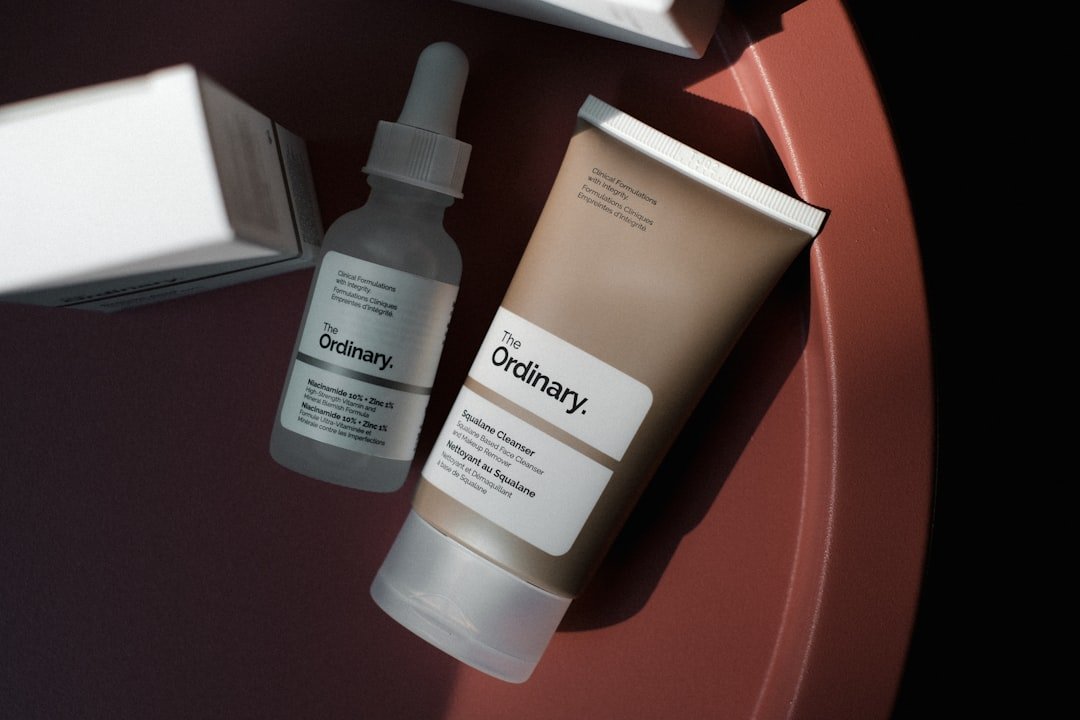
The demand for science-backed skincare has led to the emergence of numerous brands that prioritize scientific credibility in their formulations. These brands often collaborate with researchers and dermatologists to develop products grounded in empirical evidence rather than marketing hype. For instance, brands like The Ordinary have gained popularity by offering straightforward formulations with transparent ingredient lists at accessible price points.
Additionally, some newer brands focus exclusively on clinical-grade formulations designed for specific skin concerns. These brands often conduct extensive research and clinical trials before launching products, ensuring they meet high standards of efficacy and safety. As consumers continue to seek out trustworthy options in an oversaturated market, these science-driven brands are well-positioned to thrive by meeting the demand for quality and transparency.
How Science-Backed Skincare is Changing the Beauty Industry
The shift towards science-backed skincare is fundamentally altering the beauty industry landscape. Traditional marketing tactics that relied heavily on celebrity endorsements or vague promises are being replaced by data-driven narratives that emphasize product performance backed by research. This change is fostering a culture of accountability among brands as they strive to meet consumer expectations for transparency and efficacy.
Moreover, this movement is encouraging established brands to reformulate existing products based on scientific findings or discontinue those that lack substantiated benefits. As a result, consumers are becoming more discerning about their choices, leading to a more competitive market where only those brands committed to scientific integrity can thrive. This evolution not only benefits consumers seeking effective solutions but also elevates industry standards as a whole.
The Intersection of Beauty and Wellness in Science-Backed Skincare
The convergence of beauty and wellness is another significant trend emerging from the rise of science-backed skincare. Consumers are increasingly recognizing that healthy skin is not just about topical treatments but also involves holistic approaches encompassing diet, lifestyle choices, and mental well-being. Brands are responding by developing products that not only address external skin concerns but also promote overall wellness.
For example, some skincare lines incorporate adaptogens—herbs known for their stress-reducing properties—into their formulations, acknowledging the connection between stress levels and skin health. Additionally, there is a growing interest in microbiome-friendly products that support skin’s natural barrier function while promoting overall skin health from within. This intersection of beauty and wellness reflects a broader understanding that effective skincare goes beyond surface-level treatments; it encompasses a comprehensive approach to self-care.
Future Trends in Science-Backed Skincare Products
Looking ahead, several trends are poised to shape the future of science-backed skincare products. One notable trend is the continued emphasis on personalization driven by advancements in technology. As artificial intelligence becomes more sophisticated, we can expect even more tailored skincare solutions based on individual skin profiles and preferences.
Another emerging trend is the integration of biotechnology into skincare formulations. Brands are exploring innovative ways to harness biological processes for enhanced efficacy—such as using lab-grown ingredients or bioengineered compounds that mimic natural substances found in the skin. This approach not only holds promise for improved product performance but also aligns with growing consumer interest in sustainability.
Finally, as awareness around environmental issues continues to rise, we can anticipate an increased focus on eco-friendly packaging solutions within science-backed skincare lines. Brands will likely prioritize sustainable sourcing practices while ensuring their formulations remain effective and safe for consumers. In conclusion, the rise of science-backed skincare represents a significant shift within the beauty industry towards transparency, efficacy, and innovation driven by empirical evidence.
As consumers become more discerning about their choices, brands must adapt by prioritizing research-driven formulations that meet evolving expectations for quality and performance.