






Hormonal fluctuations are a natural part of the human body, particularly in individuals with menstrual cycles. These fluctuations can significantly influence various physiological processes, including skin health. Hormones such as estrogen, progesterone, and testosterone play pivotal roles in regulating skin functions, including oil production, hydration levels, and cellular turnover.
When these hormones fluctuate, they can lead to a range of skin issues, from acne and oiliness to dryness and sensitivity. Understanding these hormonal changes is crucial for developing effective skincare strategies that cater to the skin’s evolving needs throughout the menstrual cycle. The skin is a dynamic organ that responds to internal and external stimuli.
Hormonal changes can alter the skin’s barrier function, affecting its ability to retain moisture and protect against environmental aggressors. For instance, during the luteal phase of the menstrual cycle, progesterone levels rise, which can lead to increased sebum production. This excess oil can clog pores and contribute to acne breakouts.
Conversely, during the follicular phase, when estrogen levels are higher, the skin may appear more radiant and hydrated. Recognizing these patterns allows individuals to tailor their skincare routines to mitigate adverse effects and enhance skin health.
Key Takeaways
- Hormonal fluctuations during the menstrual cycle significantly affect skin condition and require tailored skincare approaches.
- Estrogen, progesterone, and testosterone play key roles in skin health, influencing oil production, hydration, and sensitivity.
- Skincare routines should be adjusted to address acne, dryness, and sensitivity that vary across different menstrual phases.
- Incorporating hormonal balancing ingredients and maintaining consistency in skincare can help manage hormonal skin changes effectively.
- Professional advice is valuable for personalized treatments and maintaining overall skin health during hormonal fluctuations.
Identifying the different phases of the menstrual cycle and their effects on the skin
The menstrual cycle is typically divided into four distinct phases: the menstrual phase, follicular phase, ovulatory phase, and luteal phase. Each of these phases is characterized by varying hormone levels that can have different effects on the skin. The menstrual phase marks the shedding of the uterine lining, and during this time, estrogen and progesterone levels are at their lowest.
This hormonal dip can lead to increased sensitivity and dryness in the skin, making it essential to use gentle, hydrating products. As the cycle progresses into the follicular phase, estrogen levels begin to rise. This increase often results in improved skin texture and a more luminous complexion.
The skin may feel more balanced as oil production stabilizes. During this phase, individuals may notice fewer breakouts and an overall healthier appearance. The ovulatory phase follows, characterized by a peak in estrogen levels.
This surge can lead to a temporary boost in collagen production, enhancing skin elasticity and firmness. However, some may experience heightened oiliness during this time due to increased sebum production.
Tailoring skincare treatments to the specific needs of each phase
To effectively address the unique needs of the skin during each phase of the menstrual cycle, it is essential to tailor skincare treatments accordingly. During the menstrual phase, when the skin may be more sensitive and prone to dryness, incorporating gentle cleansers and rich moisturizers can help maintain hydration levels. Ingredients such as hyaluronic acid and ceramides are beneficial during this time as they support the skin barrier and lock in moisture.
As one transitions into the follicular phase, it is an opportune time to introduce exfoliating products that promote cell turnover without causing irritation. Chemical exfoliants like alpha-hydroxy acids (AHAs) or beta-hydroxy acids (BHAs) can help refine skin texture and prevent clogged pores. Additionally, incorporating lightweight serums with antioxidants can enhance radiance and protect against environmental stressors.
During the ovulatory phase, focusing on hydration and maintaining a balanced complexion is key. Lightweight moisturizers with ingredients like glycerin can help keep oil production in check while providing necessary hydration.
Adjusting skincare routines based on hormonal changes
Adjusting skincare routines in response to hormonal changes is vital for maintaining optimal skin health throughout the menstrual cycle. As hormone levels fluctuate, so do the skin’s needs; therefore, flexibility in one’s routine is essential. For instance, during the luteal phase when progesterone surges, individuals may experience increased oiliness and breakouts.
This is an ideal time to incorporate targeted treatments such as salicylic acid or benzoyl peroxide to combat acne while avoiding overly harsh products that could exacerbate irritation. Conversely, during the follicular phase when estrogen levels rise, individuals may benefit from lighter formulations that enhance hydration without overwhelming the skin. This could include gel-based moisturizers or hydrating mists that provide a refreshing boost without adding excess oil.
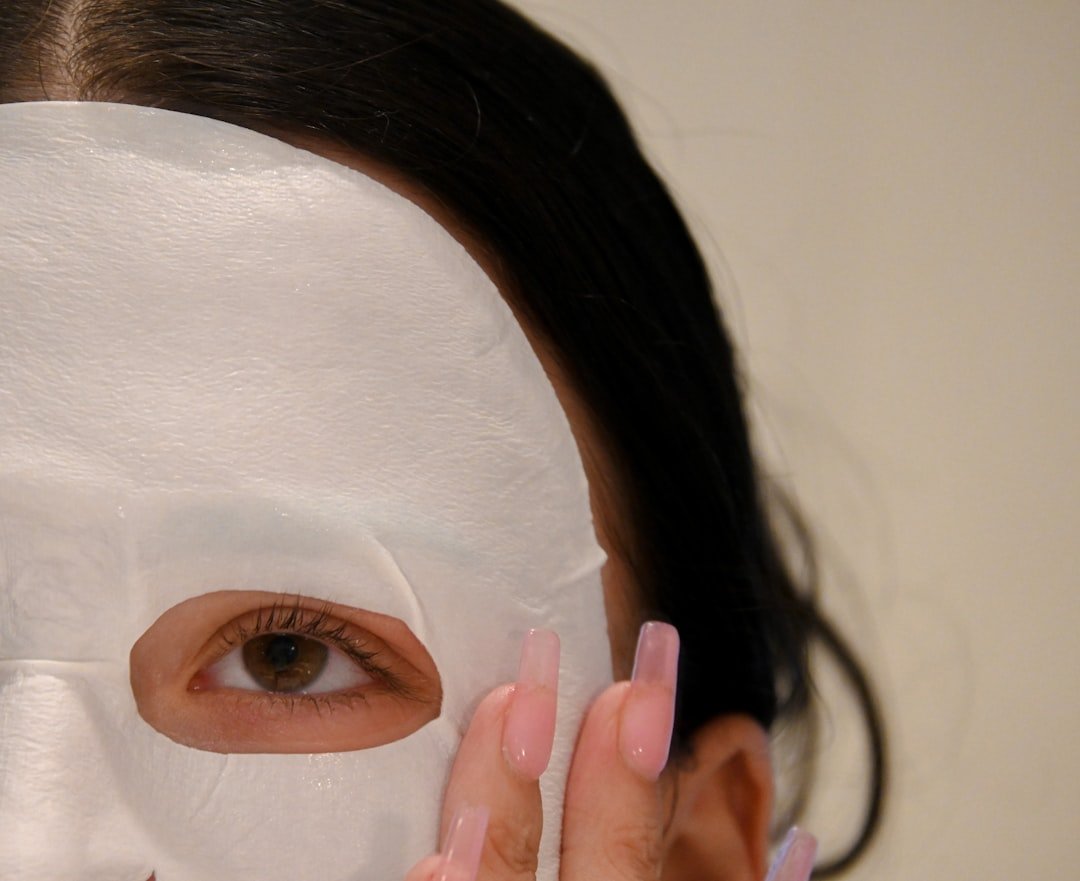
Additionally, incorporating a weekly mask with soothing ingredients like aloe vera or chamomile can help calm any inflammation or redness that may arise during this time.
The role of estrogen, progesterone, and testosterone in skin health
Estrogen plays a crucial role in maintaining skin health by promoting collagen production and enhancing moisture retention. Higher levels of estrogen are associated with improved skin elasticity and a more youthful appearance. This hormone also helps regulate oil production; thus, when estrogen levels are balanced, the skin tends to be less prone to breakouts and appears more radiant.
Progesterone, on the other hand, has a more complex relationship with skin health. While it is essential for preparing the body for potential pregnancy, its increase during the luteal phase can lead to heightened oil production and acne flare-ups. Understanding this relationship allows individuals to anticipate changes in their skin condition and adjust their skincare accordingly.
Testosterone also plays a role in skin health, particularly in individuals with higher androgen levels. It can stimulate sebaceous glands to produce more oil, which may contribute to acne development. Balancing these hormones through lifestyle choices such as diet and stress management can have a positive impact on overall skin health.
Managing acne and breakouts during hormonal fluctuations
Acne management during hormonal fluctuations requires a strategic approach tailored to individual needs. During the luteal phase when progesterone levels rise, many individuals experience an increase in breakouts due to heightened oil production and clogged pores. To combat this issue effectively, incorporating products with salicylic acid or benzoyl peroxide can help reduce inflammation and clear existing blemishes.
Additionally, maintaining a consistent cleansing routine is vital during this time. Using a gentle foaming cleanser that effectively removes excess oil without stripping the skin of its natural moisture can help prevent new breakouts from forming. Regular exfoliation with chemical exfoliants can also aid in preventing clogged pores by promoting cell turnover.
For those who experience severe hormonal acne, consulting with a dermatologist may be beneficial. They may recommend treatments such as oral contraceptives or anti-androgen medications that can help regulate hormone levels and reduce acne flare-ups over time.
Addressing dryness and sensitivity during certain phases of the menstrual cycle
Dryness and sensitivity are common concerns during specific phases of the menstrual cycle, particularly during menstruation when hormone levels are at their lowest. To address these issues effectively, it is essential to focus on hydration and barrier repair. Incorporating rich moisturizers containing ingredients like shea butter or squalane can provide deep hydration while soothing irritated skin.
During this time, it is advisable to avoid harsh exfoliants or aggressive treatments that could exacerbate sensitivity. Instead, opting for calming ingredients such as chamomile or calendula can help reduce redness and inflammation. Additionally, using a hydrating serum with hyaluronic acid can provide an extra layer of moisture without overwhelming the skin.
As one transitions into the follicular phase, maintaining hydration remains crucial as estrogen levels begin to rise. Lightweight gel-based moisturizers can help balance oil production while ensuring adequate hydration levels are maintained.
Incorporating hormonal balancing ingredients into skincare products
Incorporating hormonal balancing ingredients into skincare products can be an effective strategy for managing hormonal fluctuations and their impact on the skin. Ingredients such as phytoestrogens—plant-derived compounds that mimic estrogen—can help support hormonal balance when applied topically. Examples include ingredients like soy isoflavones or red clover extract.
Additionally, adaptogens such as ashwagandha or holy basil can help regulate stress hormones that may exacerbate hormonal imbalances affecting the skin. These ingredients work by supporting overall hormonal health and reducing inflammation within the body. Moreover, incorporating omega-3 fatty acids into one’s diet can also promote healthy skin by reducing inflammation and supporting overall hormonal balance.
Foods rich in omega-3s include fatty fish like salmon or plant-based sources such as flaxseeds and walnuts.
The importance of a consistent skincare routine for managing hormonal fluctuations
A consistent skincare routine is paramount for effectively managing hormonal fluctuations and their impact on the skin. Establishing a daily regimen that includes cleansing, moisturizing, and targeted treatments allows individuals to address their unique skin concerns proactively. Consistency helps reinforce the skin barrier while promoting overall health.
Moreover, adapting this routine based on hormonal changes ensures that individuals are meeting their skin’s evolving needs throughout each phase of the menstrual cycle. For instance, maintaining a regular exfoliation schedule during the follicular phase can help prevent clogged pores while using richer moisturizers during menstruation supports hydration. Incorporating products with proven efficacy—such as retinoids for anti-aging benefits or niacinamide for oil control—can further enhance results when used consistently over time.
Seeking professional advice for personalized skincare treatments
While understanding hormonal fluctuations provides valuable insights into managing skin health, seeking professional advice from dermatologists or skincare specialists can offer personalized treatment options tailored to individual needs. Professionals can assess specific concerns related to hormonal imbalances and recommend targeted therapies that may not be available over-the-counter. For instance, individuals struggling with severe hormonal acne may benefit from prescription medications or advanced treatments like chemical peels or laser therapy designed to address underlying issues effectively.
Additionally, professionals can provide guidance on lifestyle modifications that support overall hormonal balance—such as dietary changes or stress management techniques. Regular consultations with skincare experts ensure that individuals stay informed about new developments in skincare science while receiving tailored recommendations based on their unique circumstances.
Tips for maintaining overall skin health during hormonal fluctuations
Maintaining overall skin health during hormonal fluctuations involves adopting holistic practices that support both internal balance and external care. Staying hydrated by drinking plenty of water is essential for keeping the skin plump and radiant while also aiding in detoxification processes within the body. Incorporating a balanced diet rich in antioxidants—found in fruits and vegetables—can help combat oxidative stress that may arise from hormonal imbalances.
Foods high in vitamins A, C, and E support collagen production while promoting healthy cell turnover. Additionally, managing stress through practices such as yoga or meditation can positively influence hormone levels while promoting overall well-being. Regular exercise also plays a crucial role in maintaining hormonal balance by reducing cortisol levels—often referred to as the stress hormone—which can exacerbate skin issues.
By combining these lifestyle practices with tailored skincare routines based on hormonal changes throughout the menstrual cycle, individuals can achieve healthier skin while navigating the complexities of hormonal fluctuations effectively.