








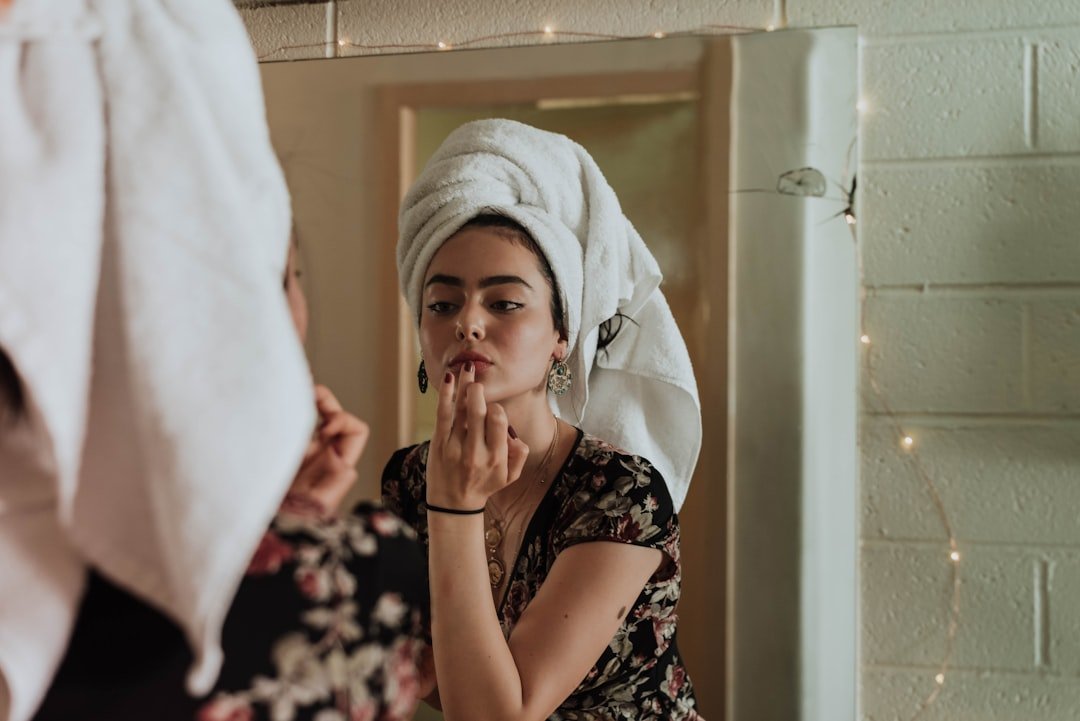
In recent years, the beauty industry has witnessed a significant shift towards personalized skincare, a trend that reflects a growing understanding of the unique needs of individual skin types. This movement has been fueled by advancements in technology, increased consumer awareness, and a desire for products that cater specifically to one’s skin concerns. Gone are the days when a one-size-fits-all approach dominated the market; today, consumers are seeking tailored solutions that address their specific issues, whether it be acne, dryness, sensitivity, or signs of aging.
The rise of personalized skincare is not merely a trend but a response to the diverse and complex nature of human skin. The emergence of personalized skincare brands and services has transformed how consumers approach their beauty routines. Companies are now leveraging data-driven insights to create products that are not only effective but also resonate with the individual’s lifestyle and preferences.
This shift has led to an explosion of options in the market, from bespoke formulations crafted by dermatologists to AI-driven quizzes that recommend products based on skin type and concerns. As consumers become more educated about their skin and its needs, they are increasingly inclined to invest in personalized solutions that promise better results and a more satisfying skincare experience.
Key Takeaways
- Personalized skincare tailors products and routines to individual skin types and concerns for optimal results.
- Understanding your unique skin needs is essential for effective customization and improved skin health.
- Advances in technology, such as AI and skin analysis tools, are revolutionizing personalized skincare approaches.
- Personalized skincare offers benefits like enhanced efficacy, reduced irritation, and a more sustainable beauty routine.
- The future of skincare is moving towards personalized solutions becoming the new standard in beauty care.
Understanding Your Unique Skin Needs
To embark on the journey of personalized skincare, it is essential to first understand one’s unique skin needs. Skin is influenced by a myriad of factors, including genetics, environment, diet, and lifestyle choices. For instance, someone with oily skin may struggle with acne and enlarged pores, while another person with dry skin may experience flakiness and irritation.
Additionally, skin can change over time due to hormonal fluctuations, aging, or external stressors such as pollution and UV exposure. Recognizing these variables is crucial for developing an effective skincare regimen. A comprehensive understanding of one’s skin can be achieved through various methods, including consultations with dermatologists or estheticians, self-assessments, and even at-home testing kits that analyze skin conditions.
These approaches can help individuals identify their skin type—be it oily, dry, combination, or sensitive—and pinpoint specific concerns such as hyperpigmentation or rosacea. By gathering this information, consumers can make informed decisions about which products will best suit their needs, leading to a more effective and satisfying skincare routine.
Customizing Your Skincare Routine
Once individuals have a clear understanding of their unique skin needs, the next step is to customize their skincare routine accordingly. A personalized regimen typically includes several key components: cleansing, exfoliating, treating specific concerns, moisturizing, and protecting the skin from environmental damage. Each step should be tailored to address the individual’s specific issues while also considering their skin type and lifestyle.
For example, someone with oily skin may benefit from a gel-based cleanser that helps control excess oil production, followed by a lightweight moisturizer that hydrates without clogging pores. In contrast, an individual with dry skin might opt for a cream cleanser that nourishes while removing impurities and a richer moisturizer to lock in hydration. Additionally, incorporating targeted treatments such as serums or spot treatments can further enhance the effectiveness of the routine.
By carefully selecting products that align with their unique needs, individuals can create a skincare regimen that not only improves their skin’s appearance but also boosts their confidence.
The Science Behind Personalized Skincare
The science behind personalized skincare is rooted in understanding the biological and physiological aspects of the skin. Each person’s skin is unique due to genetic factors that influence its structure and function. For instance, variations in skin barrier function can affect how well the skin retains moisture or responds to irritants.
Furthermore, the microbiome—the community of microorganisms living on the skin—plays a crucial role in maintaining skin health and can vary significantly from person to person. Recent advancements in dermatological research have shed light on how specific ingredients interact with different skin types and conditions. For example, studies have shown that certain antioxidants can help combat oxidative stress in aging skin while others may be more effective for treating acne-prone skin.
This knowledge allows formulators to create products that are not only effective but also safe for diverse skin types. By harnessing this scientific understanding, brands can develop personalized skincare solutions that cater to individual needs while minimizing the risk of adverse reactions.
The Benefits of Personalized Skincare
The benefits of personalized skincare extend beyond mere aesthetics; they encompass emotional well-being and self-empowerment as well. One of the most significant advantages is the potential for improved skin health. By using products specifically designed for one’s unique needs, individuals are more likely to see positive results in terms of texture, tone, and overall appearance.
This improvement can lead to increased self-esteem and confidence as individuals feel more comfortable in their own skin. Moreover, personalized skincare fosters a deeper connection between consumers and their beauty routines. When individuals take the time to understand their skin and select products tailored to their needs, they often develop a sense of ownership over their skincare journey.
This engagement can transform a mundane task into a ritual of self-care and mindfulness. Additionally, personalized skincare can lead to reduced waste; by investing in products that work for them rather than trying multiple ineffective options, consumers can minimize their environmental impact while also saving money in the long run.
How to Find the Right Products for Your Skin
Finding the right products for one’s skin can be a daunting task given the overwhelming number of options available on the market today. However, there are several strategies individuals can employ to streamline this process. First and foremost, conducting thorough research is essential.
This includes reading product labels to understand ingredients and their functions as well as seeking out reviews from other users with similar skin types or concerns. Another effective approach is to utilize online quizzes or consultations offered by many skincare brands. These tools often ask targeted questions about skin type, concerns, and lifestyle factors to recommend suitable products tailored to individual needs.
Additionally, sampling products through travel sizes or trial kits can provide valuable insights into how one’s skin reacts before committing to full-sized items. By taking these steps, individuals can navigate the vast landscape of skincare products more effectively and find those that truly resonate with their unique requirements.
The Role of Technology in Personalized Skincare
Technology has played a pivotal role in revolutionizing personalized skincare by enabling brands to offer tailored solutions at an unprecedented scale. From AI-driven algorithms that analyze user data to advanced diagnostic tools that assess skin conditions in real-time, technology has transformed how consumers interact with skincare products. For instance, some companies now offer mobile apps that allow users to track their skin’s progress over time while providing personalized recommendations based on changing conditions.
Moreover, innovations such as 3D printing technology have opened new avenues for creating customized formulations on demand. This allows brands to produce bespoke products that cater specifically to an individual’s needs without the constraints of mass production. As technology continues to evolve, it is likely that we will see even more sophisticated tools emerge that further enhance the personalization of skincare routines.
Personalized Skincare and Sustainability
As consumers become increasingly aware of environmental issues, there is a growing demand for sustainable practices within the beauty industry. Personalized skincare aligns well with this movement by promoting responsible consumption patterns. By focusing on tailored solutions rather than mass-produced items, brands can reduce waste associated with unsold inventory and excess packaging.
Additionally, many personalized skincare companies are prioritizing eco-friendly ingredients sourced from sustainable suppliers. This commitment not only benefits the environment but also resonates with consumers who are looking for ethical options in their beauty routines. Brands that embrace sustainability alongside personalization are likely to attract a loyal customer base that values both efficacy and environmental responsibility.
Overcoming Challenges in Personalized Skincare
Despite its many advantages, personalized skincare does come with its own set of challenges. One significant hurdle is the potential for information overload; with so many products and options available, consumers may feel overwhelmed when trying to determine what is best for their skin. This complexity can lead to confusion and frustration rather than empowerment.
Another challenge lies in ensuring product efficacy across diverse populations. While personalized solutions aim to cater to individual needs, there is still a risk that certain formulations may not work for everyone due to variations in skin chemistry or sensitivities. Brands must invest in research and development to ensure their products deliver consistent results across different demographics while also being transparent about potential limitations.
The Future of Personalized Skincare
Looking ahead, the future of personalized skincare appears promising as technology continues to advance and consumer preferences evolve. We can expect further integration of artificial intelligence and machine learning into product development processes, allowing brands to create even more precise formulations based on real-time data analysis. Additionally, as genetic testing becomes more accessible, we may see an increase in DNA-based skincare solutions tailored specifically to an individual’s genetic predispositions.
Furthermore, collaboration between dermatologists and skincare brands is likely to grow stronger as both parties recognize the value of combining clinical expertise with innovative product development. This partnership could lead to more effective treatments for various skin conditions while ensuring safety and efficacy remain top priorities.
Embracing Personalized Skincare as the New Beauty Standard
As personalized skincare continues to gain traction within the beauty industry, it is becoming increasingly clear that this approach represents a new standard in how we view beauty and self-care. The emphasis on individuality acknowledges that each person’s skin tells a unique story shaped by various factors throughout their lives. By embracing this narrative through tailored solutions, we move away from unrealistic beauty ideals towards a more inclusive understanding of what it means to care for our skin.
In this evolving landscape, consumers are empowered to take charge of their skincare journeys by making informed choices based on their unique needs rather than conforming to generic standards set by traditional beauty norms. As we continue down this path towards personalization in skincare, it is essential for both brands and consumers alike to prioritize education and transparency—ensuring that everyone has access to the knowledge necessary for achieving healthy, radiant skin tailored just for them.