








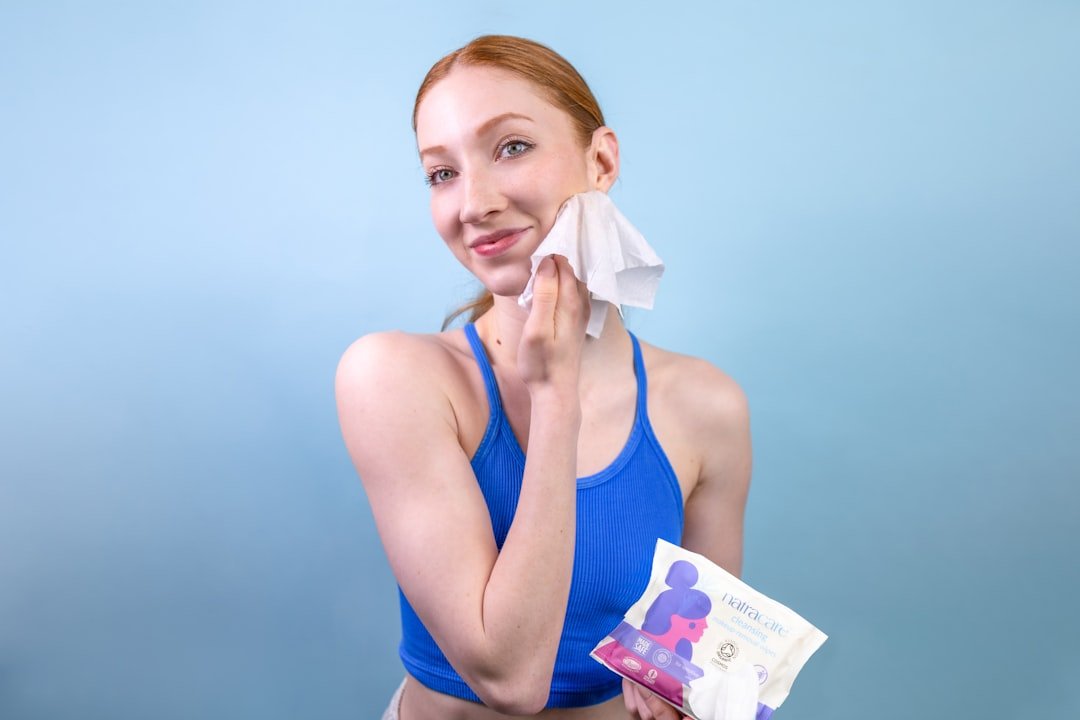
Skincare labels serve as a vital communication tool between manufacturers and consumers, providing essential information about the product’s formulation, intended use, and safety. These labels are not merely decorative; they are designed to inform users about what they are applying to their skin. The ingredient list, typically found on the back or side of the product packaging, is particularly important as it details the components that make up the formulation.
This transparency allows consumers to make informed choices based on their skin type, concerns, and preferences. For instance, someone with sensitive skin may look for products free from harsh chemicals or fragrances, while someone with oily skin might seek out non-comedogenic ingredients. Moreover, understanding skincare labels can empower consumers to avoid products that may not align with their values or needs.
For example, individuals who prioritize cruelty-free products can look for certifications or statements on the label that indicate no animal testing was involved in the product’s development. Additionally, labels often include claims such as “hypoallergenic” or “dermatologist-tested,” which can provide further reassurance about the product’s safety and efficacy. However, it is crucial to recognize that these terms are not strictly regulated, and their meanings can vary between brands.
Therefore, a critical eye is necessary when interpreting these claims.
Key Takeaways
- Skincare labels reveal ingredient details, helping consumers make informed choices.
- Common ingredients have specific benefits but may also cause allergies or irritation.
- Natural, organic, and synthetic ingredients differ in origin and effects on skin.
- Marketing claims can be misleading; understanding ingredient order and preservatives is crucial.
- Packaging, fragrance, and sustainability impact product effectiveness and environmental footprint.
Decoding common skincare ingredients and their benefits
The world of skincare is filled with a myriad of ingredients, each with its unique properties and benefits. For instance, hyaluronic acid has gained immense popularity due to its remarkable ability to retain moisture in the skin. This naturally occurring substance can hold up to 1,000 times its weight in water, making it an excellent choice for individuals seeking hydration.
When applied topically, hyaluronic acid can plump the skin, reduce the appearance of fine lines, and create a dewy complexion. Its lightweight texture makes it suitable for all skin types, including oily and acne-prone skin. Another common ingredient is retinol, a derivative of vitamin A known for its anti-aging properties.
Retinol works by promoting cell turnover and stimulating collagen production, which can lead to smoother skin texture and a reduction in the appearance of wrinkles. However, it is essential to introduce retinol gradually into a skincare routine, as it can cause irritation or sensitivity in some individuals. For those with more sensitive skin, alternatives like bakuchiol have emerged as gentler options that offer similar benefits without the potential side effects associated with retinol.
Identifying potential allergens and irritants in skincare products
When selecting skincare products, it is crucial to be aware of potential allergens and irritants that could trigger adverse reactions. Common culprits include fragrances, preservatives, and certain botanical extracts. Fragrance is often added to products to enhance their sensory appeal; however, it can be a significant source of irritation for many individuals, particularly those with sensitive skin or conditions like eczema.
Fragrance-free options are available and are often recommended for those prone to allergic reactions. Preservatives are another category that warrants attention. While they play a critical role in preventing microbial growth and extending shelf life, some preservatives can cause irritation or allergic reactions in susceptible individuals.
For example, parabens have been widely scrutinized due to concerns about their potential endocrine-disrupting effects. Although research is ongoing, many consumers opt for paraben-free products as a precautionary measure. Additionally, botanical extracts such as essential oils can also be irritating for some people; thus, it is advisable to patch-test new products before full application.
Navigating the difference between natural, organic, and synthetic ingredients
The terms “natural,” “organic,” and “synthetic” are often used interchangeably in the skincare industry, but they have distinct meanings that can significantly impact consumer choices. Natural ingredients are derived from plants or minerals and are minimally processed. However, the term “natural” is not strictly regulated in many regions, leading to potential confusion about what constitutes a truly natural product.
For instance, a product labeled as natural may still contain synthetic additives or preservatives. Organic ingredients are those that are grown without the use of synthetic pesticides or fertilizers and are often certified by regulatory bodies. Organic skincare products typically contain a higher percentage of organic ingredients compared to their conventional counterparts.
Consumers who prioritize sustainability and environmental responsibility may gravitate towards organic options due to their reduced impact on ecosystems. On the other hand, synthetic ingredients are chemically manufactured and can serve various purposes in skincare formulations. While some consumers may have reservations about synthetic ingredients due to misconceptions about safety or efficacy, many synthetic compounds are well-researched and effective.
For example, silicones like dimethicone provide a smooth application and help lock in moisture without clogging pores. Understanding these distinctions allows consumers to make choices aligned with their values while also considering the efficacy of the products they use.
Recognizing misleading marketing claims on skincare products
The skincare industry is rife with marketing claims that can sometimes mislead consumers regarding a product’s effectiveness or safety. Terms like “miracle,” “instant,” or “anti-aging” can create unrealistic expectations about what a product can achieve. For instance, while some products may contain ingredients known for their anti-aging properties, no single product can completely reverse the signs of aging.
It is essential for consumers to approach these claims with skepticism and seek evidence-based information regarding ingredient efficacy. Additionally, terms such as “dermatologist-recommended” or “clinically proven” can be ambiguous without context. A product may be recommended by a dermatologist for specific skin concerns but may not be suitable for everyone.
Similarly, clinical studies may be conducted under controlled conditions that do not reflect real-world usage. Consumers should look for transparency in marketing claims and seek out independent reviews or scientific studies that support the efficacy of a product before making a purchase.
Understanding the importance of order of ingredients on skincare labels
The order of ingredients listed on skincare labels is not arbitrary; it follows a specific hierarchy based on concentration levels within the formulation. Ingredients are typically listed in descending order, meaning that those present in the highest concentrations appear first on the list. This ordering is crucial for consumers who want to understand what primary components make up a product and how they may affect their skin.
For example, if water is listed as the first ingredient in a moisturizer, it indicates that the product has a high water content, which may be beneficial for hydration. Conversely, if active ingredients like retinol or vitamin C appear towards the end of the list, it suggests that they are present in lower concentrations, potentially limiting their effectiveness. Understanding this hierarchy allows consumers to make informed decisions about which products will best meet their skincare needs based on ingredient potency.
Identifying preservatives and their role in skincare products
Preservatives play an essential role in skincare formulations by preventing microbial growth and extending shelf life. Without preservatives, products could become breeding grounds for bacteria and mold, posing significant health risks to users. Common preservatives include parabens, phenoxyethanol, and ethylhexylglycerin.
While some consumers express concern over certain preservatives due to potential health risks or skin irritation, it is important to recognize that many preservatives are deemed safe for use by regulatory agencies when used within recommended concentrations. In recent years, there has been a growing trend towards preservative-free formulations; however, these products often require special handling or storage conditions to maintain their integrity. For instance, water-based products without preservatives may need refrigeration or have shorter shelf lives compared to their preserved counterparts.
Consumers should weigh the benefits of preservative-free options against the potential risks associated with using products that lack adequate preservation.
Deciphering expiration dates and shelf life on skincare products
Expiration dates and shelf life information on skincare products are critical for ensuring safety and efficacy during use. Most skincare products have a designated shelf life that indicates how long they remain effective after opening or manufacturing. This information is typically found on the packaging as either an expiration date or a Period After Opening (PAO) symbol—often represented by an open jar icon with a number indicating months.
Using products beyond their expiration date can lead to reduced effectiveness or even adverse reactions due to ingredient degradation or contamination. For example, antioxidants like vitamin C can lose potency over time when exposed to air and light; thus, using an expired product may not yield the desired results. Consumers should pay attention to these dates and store products properly—away from direct sunlight and extreme temperatures—to maximize their shelf life.
Recognizing the significance of fragrance and essential oils in skincare products
Fragrance plays a multifaceted role in skincare formulations; it enhances sensory experience while also masking unpleasant odors from other ingredients. However, synthetic fragrances can be problematic for individuals with sensitive skin or allergies. Many brands now offer fragrance-free options or use natural essential oils as alternatives to provide scent without synthetic additives.
Essential oils are derived from plants and carry therapeutic properties alongside their aromatic qualities; for instance, lavender oil is known for its calming effects while tea tree oil possesses antibacterial properties. However, essential oils can also be irritating for some individuals when used in high concentrations or without proper dilution. It is essential for consumers to understand their own sensitivities and choose products accordingly—opting for fragrance-free formulations if they have experienced irritation from scented products in the past.
Understanding the impact of packaging on skincare product efficacy
The packaging of skincare products plays a crucial role in preserving ingredient integrity and ensuring product efficacy over time. Air exposure, light exposure, and contamination from fingers can all compromise the quality of active ingredients within formulations. For example, products housed in opaque containers help protect light-sensitive ingredients like retinol from degradation caused by UV exposure.
Additionally, airless pumps are becoming increasingly popular as they minimize air exposure during use—helping maintain potency throughout the product’s lifespan. Conversely, jars may expose contents to air each time they are opened; this can lead to oxidation of sensitive ingredients over time. Consumers should consider both functionality and aesthetics when selecting skincare products—prioritizing packaging that supports ingredient stability while also aligning with personal preferences.
Navigating the world of clean and sustainable skincare options
The clean beauty movement has gained significant traction in recent years as consumers become more conscious of ingredient safety and environmental impact. Clean skincare typically refers to products formulated without harmful chemicals or controversial ingredients—such as parabens or sulfates—while also emphasizing transparency in sourcing and production practices. Sustainable skincare goes beyond ingredient safety; it encompasses ethical sourcing of materials, eco-friendly packaging solutions, and responsible manufacturing processes that minimize environmental impact.
Brands committed to sustainability often utilize recyclable packaging or refillable systems that reduce waste over time. As consumers navigate this evolving landscape of clean and sustainable options, it is essential to research brands thoroughly—looking for certifications such as cruelty-free or organic—to ensure alignment with personal values while also prioritizing effective formulations that meet individual skincare needs.