








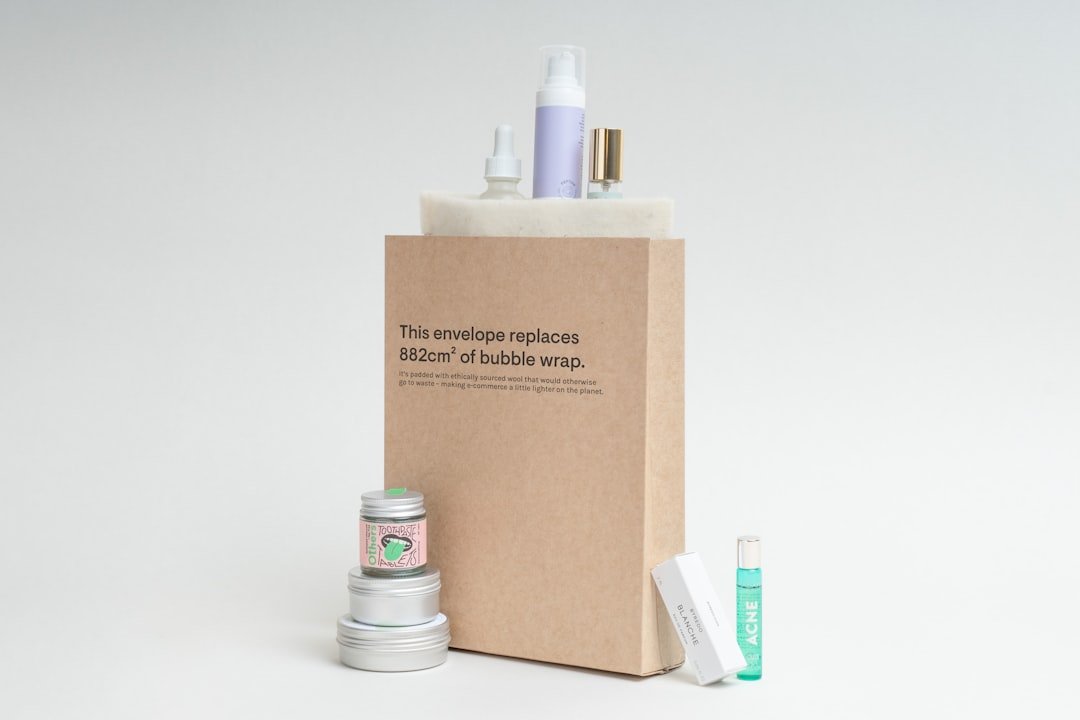
In recent years, the beauty and skincare industry has witnessed a significant shift towards sustainability, particularly in the realm of packaging. As consumers become increasingly aware of environmental issues, brands are responding by re-evaluating their packaging choices. Sustainable skincare packaging encompasses a variety of practices aimed at reducing environmental impact, including the use of eco-friendly materials, innovative designs, and responsible sourcing.
This movement is not merely a trend; it reflects a growing recognition of the interconnectedness between consumer habits and environmental health. The transition to sustainable packaging is essential for minimizing waste, conserving resources, and promoting a circular economy within the beauty sector. The importance of sustainable packaging extends beyond mere aesthetics or marketing appeal.
It involves a comprehensive approach that considers the entire lifecycle of a product, from production to disposal. By prioritizing sustainability in packaging, brands can significantly reduce their carbon footprint and contribute to a healthier planet. This shift is not only beneficial for the environment but also aligns with the values of a new generation of consumers who prioritize ethical consumption.
As such, sustainable skincare packaging is becoming a critical component of brand identity and consumer loyalty in an increasingly competitive market.
Key Takeaways
- Traditional skincare packaging significantly contributes to environmental pollution, prompting a shift towards sustainable alternatives.
- Biodegradable, compostable, and recycled materials are key components in developing eco-friendly skincare packaging.
- Refillable and reusable packaging options are gaining popularity as effective ways to reduce waste.
- Innovative designs in sustainable packaging enhance both functionality and environmental impact.
- Consumer demand and industry standards are driving the future growth of sustainable skincare packaging solutions.
The impact of traditional skincare packaging on the environment
Traditional skincare packaging has long been associated with significant environmental challenges. Many conventional materials, such as plastic and glass, contribute to pollution and waste accumulation. For instance, plastic packaging is particularly problematic due to its durability and resistance to degradation.
According to the United Nations Environment Programme, approximately 300 million tons of plastic are produced each year, with a substantial portion ending up in landfills or oceans. This not only harms wildlife but also disrupts ecosystems and poses risks to human health through microplastics entering the food chain. Moreover, the production processes for traditional packaging materials often involve high energy consumption and greenhouse gas emissions.
The extraction of raw materials, manufacturing processes, and transportation all contribute to a product’s overall environmental impact. For example, glass production requires significant amounts of energy due to the high temperatures needed for melting silica sand and other components. As consumers become more conscious of these issues, there is an increasing demand for brands to adopt more sustainable practices that mitigate these negative effects.
Emerging trends in eco-friendly skincare packaging
As awareness of environmental issues grows, several emerging trends in eco-friendly skincare packaging are gaining traction. One notable trend is the shift towards minimalism in packaging design. Brands are opting for simpler, more streamlined packaging that reduces material usage while still maintaining functionality and aesthetic appeal.
This approach not only minimizes waste but also resonates with consumers who appreciate clean and straightforward designs. Another trend is the incorporation of innovative materials that are both sustainable and functional. For instance, some brands are exploring the use of plant-based plastics derived from renewable resources such as corn or sugarcane.
These bioplastics can offer similar performance characteristics to traditional plastics while being less harmful to the environment. Additionally, there is a growing interest in using post-consumer recycled materials in packaging, which helps close the loop on waste and reduces the demand for virgin resources.
Biodegradable materials in skincare packaging
Biodegradable materials represent a promising avenue for sustainable skincare packaging. These materials are designed to break down naturally over time through biological processes, reducing their impact on landfills and ecosystems. Common biodegradable options include paper, cardboard, and certain bioplastics that are engineered to decompose under specific conditions.
For example, brands like Lush have embraced biodegradable packaging by using recycled paper and cardboard for their products. Their commitment to sustainability extends beyond just the materials; they also encourage customers to return empty containers for recycling or reuse. This not only promotes responsible disposal but also fosters a sense of community among consumers who share similar values regarding environmental stewardship.
However, it is essential to note that not all biodegradable materials are created equal. The conditions required for biodegradation can vary significantly; some materials may only break down in industrial composting facilities rather than in home compost bins or natural environments. Therefore, brands must be transparent about their packaging materials and educate consumers on proper disposal methods to ensure that biodegradable options fulfill their intended purpose.
Refillable and reusable skincare packaging options
Refillable and reusable packaging options are gaining popularity as consumers seek ways to reduce waste and extend the lifecycle of their products. This approach encourages customers to return to stores or online platforms to purchase refills rather than discarding entire containers after use. Brands like Kiehl’s have successfully implemented refill stations in select locations, allowing customers to refill their favorite products while minimizing waste.
The benefits of refillable packaging extend beyond environmental considerations; they also offer economic advantages for consumers. By purchasing refills instead of new containers, customers can often save money over time while still enjoying their preferred products. Additionally, refillable systems foster brand loyalty as consumers develop a deeper connection with brands that prioritize sustainability.
However, implementing refillable systems requires careful planning and infrastructure development. Brands must consider logistics such as how to maintain product integrity during refills and how to encourage consumer participation in these programs. Education plays a crucial role in this process; brands need to communicate the benefits of refilling clearly and provide convenient options for consumers to engage with these initiatives.
The rise of compostable skincare packaging
Compostable skincare packaging is emerging as a viable alternative to traditional materials, offering an environmentally friendly solution that aligns with consumer values. Compostable materials are designed to break down into organic matter when subjected to composting conditions, enriching soil rather than contributing to landfill waste. This type of packaging can include materials such as plant-based bioplastics, paper, and other organic substances.
Brands like Ethique have pioneered compostable packaging solutions by utilizing materials that decompose naturally without leaving harmful residues behind. Their solid shampoo bars come wrapped in compostable paper, allowing consumers to enjoy their products guilt-free while contributing positively to the environment. This approach not only addresses waste concerns but also promotes a circular economy by returning nutrients back to the earth.
Despite its advantages, compostable packaging also faces challenges related to consumer awareness and infrastructure availability. Many consumers may not be familiar with composting practices or may lack access to composting facilities. To maximize the impact of compostable packaging, brands must invest in educational initiatives that inform consumers about proper disposal methods and the benefits of composting.
Innovative designs and shapes in sustainable skincare packaging
The quest for sustainability has spurred creativity in packaging design within the skincare industry. Brands are increasingly experimenting with innovative shapes and structures that not only reduce material usage but also enhance user experience. For instance, some companies are adopting collapsible or foldable designs that minimize space during transportation and storage while maintaining product integrity.
Additionally, unique shapes can serve as a marketing tool that differentiates products on crowded shelves. Brands like Aesop have embraced distinctive bottle designs that reflect their commitment to sustainability while also appealing to consumers’ aesthetic sensibilities. By combining form and function, these innovative designs can capture attention while promoting eco-friendly practices.
Moreover, advancements in technology have enabled brands to explore new manufacturing techniques that reduce waste during production. For example, 3D printing allows for precise customization of packaging shapes while minimizing excess material usage. This technology not only supports sustainability efforts but also opens up possibilities for personalized skincare solutions tailored to individual consumer needs.
The role of recycled materials in eco-friendly skincare packaging
Recycled materials play a crucial role in the development of eco-friendly skincare packaging by reducing reliance on virgin resources and minimizing waste. By incorporating post-consumer recycled content into their packaging, brands can significantly lower their carbon footprint while promoting a circular economy. This practice not only conserves natural resources but also diverts waste from landfills.
Many brands are now utilizing recycled plastics in their containers, which helps address the growing issue of plastic pollution. For instance, companies like Garnier have committed to using 50% recycled plastic in their bottles by 2025 as part of their broader sustainability goals. This initiative not only demonstrates corporate responsibility but also encourages consumers to support brands that prioritize environmental stewardship.
However, challenges remain regarding the availability and quality of recycled materials. The recycling process can sometimes degrade the quality of plastics, making it difficult for brands to maintain product integrity while using recycled content. To overcome this hurdle, collaboration between brands, recyclers, and policymakers is essential to improve recycling infrastructure and ensure a steady supply of high-quality recycled materials for use in skincare packaging.
Sustainable packaging certifications and standards in the skincare industry
As the demand for sustainable skincare packaging grows, various certifications and standards have emerged to guide brands in their efforts toward eco-friendliness. Certifications such as Cradle to Cradle Certified™ and Forest Stewardship Council (FSC) certification provide frameworks for assessing the sustainability of materials used in packaging. These certifications help consumers identify products that meet specific environmental criteria while encouraging brands to adopt best practices.
For example, Cradle to Cradle Certified™ evaluates products based on criteria such as material health, material reutilization, renewable energy use, water stewardship, and social fairness. Brands that achieve this certification demonstrate a commitment to sustainability across their entire supply chain, from sourcing raw materials to end-of-life considerations. Additionally, organizations like EcoCert provide guidelines for natural cosmetics that encompass sustainable packaging practices as part of their certification process.
By adhering to these standards, brands can enhance their credibility in the eyes of environmentally conscious consumers while contributing positively to industry-wide sustainability efforts.
Consumer attitudes and preferences towards sustainable skincare packaging
Consumer attitudes towards sustainable skincare packaging are evolving rapidly as awareness of environmental issues increases. Research indicates that a significant portion of consumers now prioritize eco-friendly practices when making purchasing decisions. According to a survey conducted by Nielsen, 73% of global consumers say they would change their consumption habits to reduce their environmental impact.
This shift in consumer behavior has prompted brands to rethink their packaging strategies and invest in sustainable solutions that resonate with their target audience. Many consumers are willing to pay a premium for products packaged sustainably, viewing it as an investment in both personal care and environmental responsibility. However, there remains a gap between consumer intentions and actual purchasing behavior.
While many individuals express support for sustainable practices, factors such as convenience, price sensitivity, and brand loyalty can influence decision-making at the point of sale. To bridge this gap, brands must effectively communicate the benefits of sustainable packaging while ensuring accessibility and affordability for consumers.
The future of sustainable and eco-friendly skincare packaging
The future of sustainable skincare packaging appears promising as innovation continues to drive change within the industry. As technology advances and consumer demand for eco-friendly solutions grows, brands will likely explore new materials and designs that further minimize environmental impact. The integration of smart technologies into packaging could also enhance user experience while promoting sustainability; for instance, QR codes could provide information on recycling or refilling options directly on product labels.
Moreover, collaboration among stakeholders—including brands, suppliers, recyclers, and consumers—will be essential for advancing sustainability efforts within the skincare industry. By working together towards common goals such as reducing waste and promoting circularity, stakeholders can create a more resilient ecosystem that benefits both businesses and the environment. As regulatory pressures increase globally regarding plastic usage and waste management practices, brands will need to adapt quickly or risk falling behind competitors who prioritize sustainability.
The ongoing evolution of consumer preferences will further shape the landscape; those who embrace transparency and accountability will likely emerge as leaders in this new era of eco-conscious beauty. In conclusion, sustainable skincare packaging represents an essential aspect of the broader movement towards environmental responsibility within the beauty industry. As brands continue to innovate and adapt their practices in response to consumer demand for eco-friendly solutions, we can expect significant advancements that will shape the future of skincare products for years to come.