








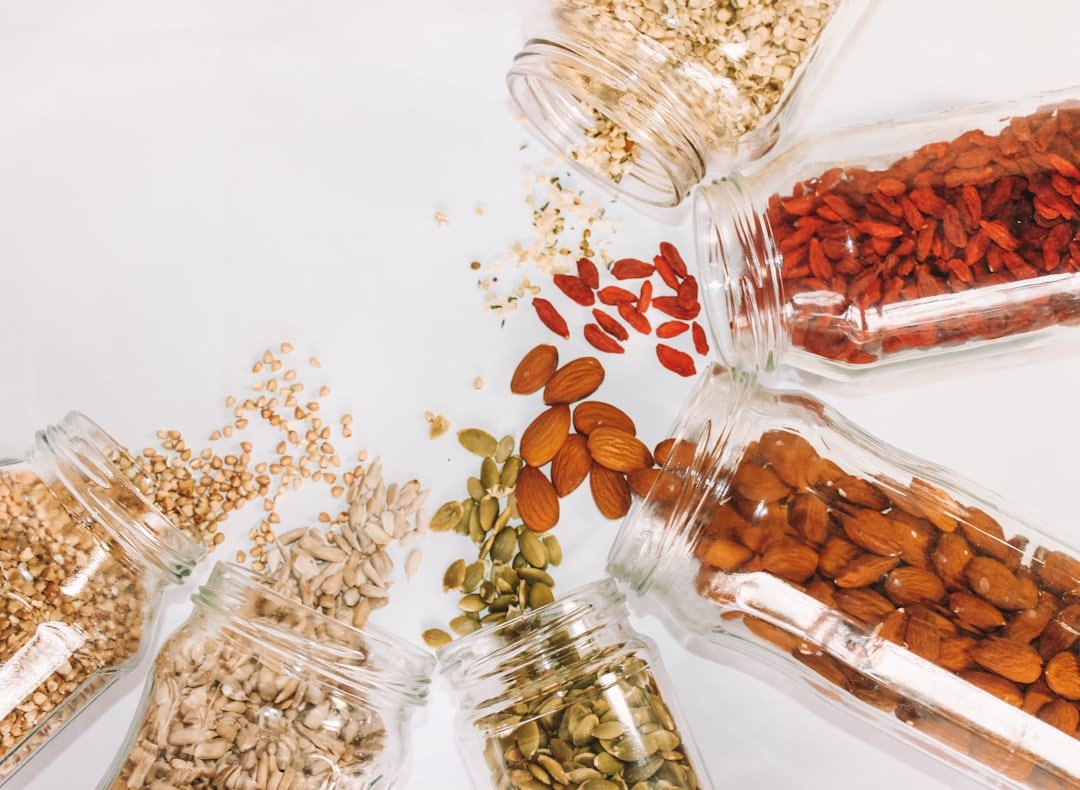
Superfoods are nutrient-dense foods that are particularly beneficial for health and well-being. They are often rich in vitamins, minerals, antioxidants, and other essential compounds that contribute to overall wellness. The term “superfood” is not a scientific classification but rather a marketing term that has gained popularity in recent years.
Foods such as blueberries, kale, quinoa, and acai berries are frequently labeled as superfoods due to their high concentrations of beneficial nutrients. These foods are believed to provide health benefits that go beyond basic nutrition, making them appealing to health-conscious consumers. The appeal of superfoods lies in their potential to combat various health issues and enhance physical performance.
For instance, many superfoods are known for their anti-inflammatory properties, which can help reduce the risk of chronic diseases such as heart disease and diabetes. Additionally, the high antioxidant content found in many superfoods can protect the body from oxidative stress, which is linked to aging and various health conditions. As a result, superfoods have become a staple in health and wellness discussions, with many people seeking to incorporate them into their diets for their myriad benefits.
Key Takeaways
- Superfoods are nutrient-rich foods that are beneficial for overall health and well-being.
- Superfoods can provide numerous benefits for the skin, including hydration, anti-aging properties, and protection against environmental damage.
- Some top superfoods for topical skincare include avocado, honey, turmeric, and green tea.
- DIY superfood face masks and scrubs can be made using ingredients like oats, yogurt, and berries for glowing skin.
- Incorporating superfoods into your diet can also improve skin health, with options like salmon, nuts, and leafy greens being particularly beneficial.
Benefits of Superfoods for the Skin
The skin is the body’s largest organ and serves as a protective barrier against environmental stressors. Superfoods can play a significant role in maintaining skin health due to their rich nutrient profiles. Many superfoods contain antioxidants that help neutralize free radicals, which can cause premature aging and skin damage.
For example, foods high in vitamin C, such as kiwi and strawberries, can promote collagen production, leading to firmer and more youthful-looking skin. Additionally, the anti-inflammatory properties of certain superfoods can help soothe irritated skin and reduce redness. Moreover, superfoods can also provide hydration and nourishment to the skin.
Ingredients like avocados and nuts are rich in healthy fats that help maintain the skin’s moisture barrier, preventing dryness and flakiness. Omega-3 fatty acids found in foods like chia seeds and flaxseeds can also support skin hydration and elasticity. By incorporating these nutrient-rich foods into one’s diet or skincare routine, individuals can enhance their skin’s overall appearance and health.
Top Superfoods for Topical Skincare
When it comes to topical skincare, certain superfoods stand out for their remarkable benefits. One such superfood is green tea, which is packed with polyphenols that have potent antioxidant properties. Green tea extract is often used in skincare products to reduce inflammation and protect the skin from UV damage.
Its ability to calm irritated skin makes it a popular ingredient in formulations designed for sensitive or acne-prone skin. Another noteworthy superfood for topical application is turmeric. Known for its anti-inflammatory and antibacterial properties, turmeric can help brighten the complexion and reduce the appearance of blemishes.
Many skincare brands have begun incorporating turmeric into their products, recognizing its potential to improve skin tone and texture. Additionally, honey is often regarded as a superfood for skincare due to its natural humectant properties, which help retain moisture in the skin while providing antibacterial benefits.
DIY Superfood Face Masks and Scrubs
Creating DIY superfood face masks and scrubs at home can be an enjoyable way to harness the benefits of these nutrient-rich ingredients. One popular recipe involves combining mashed avocado with honey and oatmeal to create a hydrating face mask. Avocado provides healthy fats and vitamins E and C, while honey adds moisture and has antibacterial properties.
Oatmeal acts as a gentle exfoliant, helping to remove dead skin cells and soothe irritation. Another effective DIY scrub can be made using ground coffee, coconut oil, and brown sugar. Coffee is known for its ability to stimulate circulation and reduce the appearance of cellulite, while coconut oil provides deep hydration.
Brown sugar serves as a natural exfoliant that helps slough off dead skin cells, leaving the skin feeling smooth and rejuvenated. These homemade treatments not only utilize superfoods but also allow individuals to customize their skincare routines according to their specific needs.
Superfoods for Dietary Skincare
Incorporating superfoods into one’s diet can have profound effects on skin health from the inside out. Foods rich in antioxidants, such as berries, dark chocolate, and artichokes, can help combat oxidative stress that contributes to skin aging. For instance, blueberries are particularly high in anthocyanins, which have been shown to improve skin elasticity and hydration levels.
Additionally, foods high in vitamins A and E are essential for maintaining healthy skin. Carrots, sweet potatoes, and spinach are excellent sources of beta-carotene (a precursor to vitamin A), which helps promote cell turnover and repair damaged skin. Nuts and seeds, particularly almonds and sunflower seeds, are rich in vitamin E, which protects the skin from UV damage and supports overall skin health.
By focusing on a diet rich in these superfoods, individuals can enhance their skin’s appearance while also supporting overall well-being.
Incorporating Superfoods into Your Diet
Incorporating superfoods into your daily diet doesn’t have to be complicated or time-consuming. One effective strategy is to start small by adding a few superfood ingredients to your meals each week. For example, you might begin your day with a smoothie that includes spinach or kale—both of which are nutrient-dense greens packed with vitamins A, C, K, and minerals like iron and calcium.
Adding a handful of berries or a scoop of chia seeds can further boost the antioxidant content of your breakfast. Another approach is to experiment with different cooking methods that highlight superfoods’ flavors and textures. Quinoa is an excellent base for salads or grain bowls; it’s not only high in protein but also gluten-free.
Roasting vegetables like sweet potatoes or Brussels sprouts with olive oil can enhance their natural sweetness while providing healthy fats that support skin hydration. By creatively incorporating these foods into your meals, you can enjoy their benefits while also diversifying your diet.
Superfood Smoothie and Juice Recipes for Healthy Skin
Smoothies and juices are an excellent way to pack multiple superfoods into one delicious drink. A popular smoothie recipe for healthy skin includes spinach, banana, almond milk, and a tablespoon of almond butter. Spinach provides essential vitamins while banana adds natural sweetness along with potassium for hydration.
Almond milk offers a dairy-free alternative rich in vitamin E. For a refreshing juice option, consider blending cucumber, celery, green apple, and ginger. Cucumber is hydrating and contains silica, which supports skin elasticity; celery is known for its anti-inflammatory properties; green apple adds a touch of sweetness along with vitamin C; ginger provides additional anti-inflammatory benefits while enhancing digestion.
These recipes not only taste great but also deliver a concentrated dose of nutrients that can promote radiant skin.
Superfood Supplements for Skin Health
For those who find it challenging to consume enough superfoods through diet alone, supplements can be an effective alternative. Many companies offer powdered forms of popular superfoods like spirulina, chlorella, or acai berry that can easily be added to smoothies or taken as capsules. Spirulina is particularly noteworthy due to its high protein content and abundance of vitamins B1 (thiamine), B2 (riboflavin), B3 (niacin), copper, iron, magnesium), potassium), manganese), and omega-6 fatty acids.
Collagen supplements have also gained popularity for their potential benefits on skin elasticity and hydration levels. Collagen is a protein that naturally occurs in the body but decreases with age; supplementing with collagen peptides may help improve skin texture and reduce the appearance of fine lines over time. When considering supplements for skin health, it’s essential to choose high-quality products from reputable brands to ensure efficacy.
Tips for Choosing the Right Superfoods for Your Skin Type
Selecting the right superfoods for your specific skin type can enhance your skincare routine significantly. For oily or acne-prone skin types, consider incorporating foods rich in omega-3 fatty acids like walnuts or flaxseeds; these can help regulate oil production while reducing inflammation associated with breakouts. Additionally, foods high in zinc—such as pumpkin seeds—can support healing processes within the skin.
For dry or sensitive skin types, focus on hydrating superfoods like avocados or coconut products that provide healthy fats essential for maintaining moisture levels. Foods rich in antioxidants like berries or dark leafy greens can also help protect sensitive skin from environmental stressors. Understanding your unique skin needs will allow you to tailor your diet effectively while maximizing the benefits of superfoods.
Superfood-Infused Skincare Products on the Market
The beauty industry has recognized the power of superfoods in skincare formulations, leading to an influx of products infused with these nutrient-rich ingredients. Brands are increasingly incorporating superfoods like kale extract or matcha into their creams, serums, and masks due to their proven benefits for skin health. For instance, matcha is celebrated not only for its antioxidant properties but also for its ability to calm inflammation—making it an ideal ingredient for sensitive or acne-prone skin.
Another example is the use of sea buckthorn oil in skincare products; this oil is derived from the berries of the sea buckthorn plant and is known for its high content of vitamins C and E as well as essential fatty acids that promote hydration and healing. As consumers become more aware of the benefits associated with superfoods, brands are likely to continue innovating by creating new formulations that harness these powerful ingredients.
The Future of Superfoods in Skincare
As research continues to unveil the myriad benefits of superfoods for both dietary health and skincare applications, it’s likely that their popularity will only grow in the coming years. The trend towards clean beauty—where consumers seek products free from harmful chemicals—aligns perfectly with the natural appeal of superfood-infused formulations. This shift may lead brands to explore even more unconventional ingredients sourced from various cultures around the world.
Furthermore, advancements in technology may enable better extraction methods that preserve the potency of these ingredients when incorporated into skincare products. As consumers become more educated about nutrition’s role in skincare health—alongside an increasing demand for transparency regarding ingredient sourcing—superfoods will likely remain at the forefront of innovative skincare solutions designed to promote healthy, radiant skin from within.