








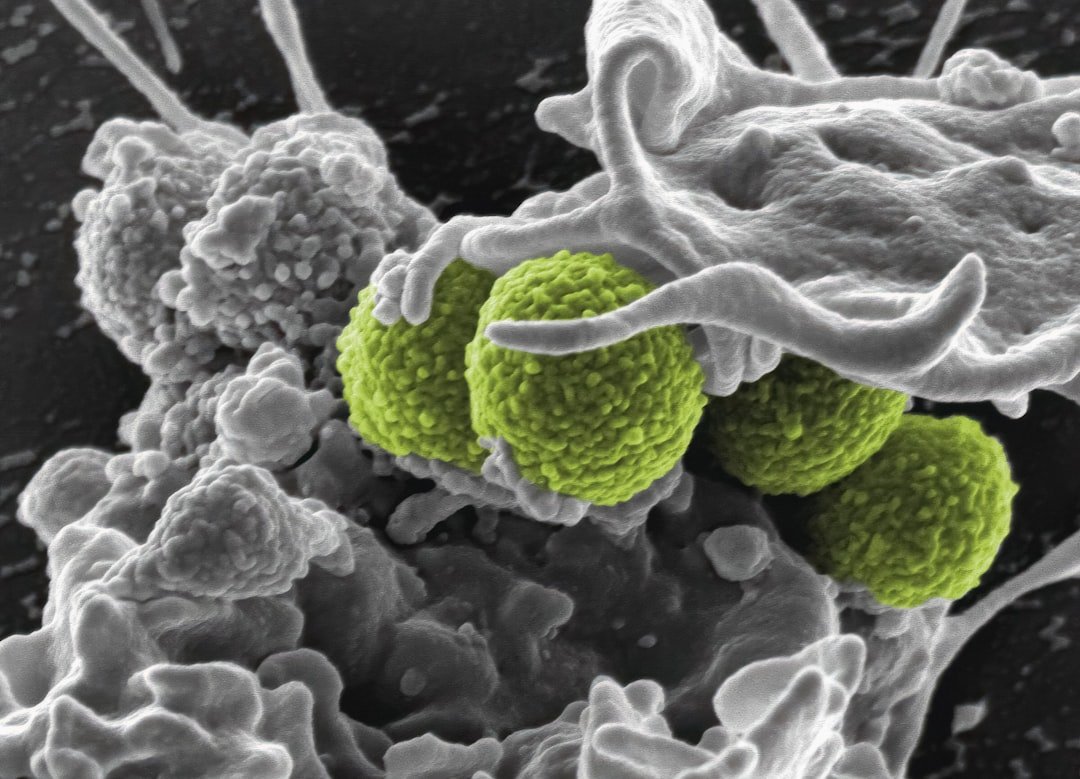
The skin’s microbiome is a complex ecosystem composed of trillions of microorganisms, including bacteria, fungi, viruses, and archaea, that inhabit the skin’s surface. This diverse community plays a crucial role in maintaining skin health and protecting against various diseases. The skin microbiome acts as a barrier, preventing the colonization of pathogenic organisms while also modulating the immune response.
Each individual’s microbiome is unique, shaped by genetic factors, environmental influences, and lifestyle choices. Understanding the intricacies of this microbial community is essential for developing effective skincare strategies and addressing skin-related issues. Recent research has illuminated the profound impact of the skin microbiome on overall health.
For instance, imbalances in this microbial community, known as dysbiosis, have been linked to conditions such as acne, eczema, psoriasis, and even systemic diseases. The skin’s microbiome is not merely a passive inhabitant; it actively interacts with the host’s immune system and contributes to the skin’s barrier function. As scientists delve deeper into this field, they uncover the potential for microbiome-targeted therapies that could revolutionize dermatological treatments and enhance skin health.
Key Takeaways
- The skin’s microbiome is the community of microorganisms that live on the skin and play a crucial role in maintaining skin health.
- Diet can significantly impact the skin’s microbiome, with a balanced and diverse diet promoting a healthy microbiome.
- Stress can disrupt the balance of the skin’s microbiome, leading to skin issues such as acne and eczema.
- Sleep patterns influence the skin’s microbiome, with disrupted sleep potentially leading to an imbalance in the skin’s microorganisms.
- Exercise can positively impact the skin’s microbiome, promoting diversity and overall skin health.
The impact of diet on the skin’s microbiome
Diet plays a pivotal role in shaping the skin’s microbiome, influencing its composition and functionality. The foods we consume provide essential nutrients that can either promote or hinder the growth of beneficial microorganisms. For example, a diet rich in fiber, antioxidants, and healthy fats can foster a diverse and balanced microbiome.
Foods such as fruits, vegetables, nuts, and fatty fish are known to support microbial diversity and enhance the skin’s barrier function. Conversely, diets high in sugar and processed foods can lead to an overgrowth of harmful bacteria, contributing to inflammation and skin disorders. Moreover, specific dietary components can directly affect the skin’s microbiome.
Probiotics, found in fermented foods like yogurt and kimchi, can introduce beneficial bacteria that help restore balance to the microbial community. Prebiotics, which are non-digestible fibers that feed beneficial bacteria, also play a crucial role in maintaining a healthy microbiome. Studies have shown that individuals who consume a diet rich in prebiotics exhibit improved skin hydration and reduced signs of aging.
Thus, making conscious dietary choices can significantly impact not only gut health but also the health of our skin.
The role of stress in disrupting the skin’s microbiome balance
Stress is a well-documented factor that can disrupt the delicate balance of the skin’s microbiome. When an individual experiences stress, the body releases cortisol and other stress hormones that can lead to inflammation and an altered immune response. This physiological change can create an environment conducive to the overgrowth of pathogenic microorganisms while suppressing beneficial ones.
As a result, individuals under chronic stress may experience exacerbated skin conditions such as acne, rosacea, or eczema. Furthermore, stress can influence behaviors that negatively impact the skin’s microbiome. For instance, stressed individuals may neglect their skincare routines or resort to unhealthy eating habits, both of which can further compromise microbial balance.
The connection between stress and skin health is bidirectional; not only can poor skin health contribute to increased stress levels due to self-esteem issues, but stress itself can perpetuate a cycle of skin problems. Addressing stress through mindfulness practices, exercise, or therapy can be beneficial for both mental well-being and skin health.
How sleep patterns influence the skin’s microbiome
Sleep is another critical factor influencing the skin’s microbiome. During sleep, the body undergoes various restorative processes that are essential for maintaining overall health, including skin health. Research indicates that inadequate sleep can lead to increased inflammation and oxidative stress, which can disrupt the balance of the skin’s microbial community.
A lack of sleep has been associated with conditions such as acne and premature aging due to its impact on cellular repair mechanisms. Moreover, sleep deprivation can alter hormone levels that regulate sebum production and immune responses in the skin. This hormonal imbalance may create an environment where harmful bacteria thrive while beneficial microbes decline.
Studies have shown that individuals who prioritize good sleep hygiene tend to have healthier skin microbiomes compared to those who experience chronic sleep disturbances. Establishing a consistent sleep schedule and creating a restful environment can significantly enhance not only sleep quality but also the health of the skin’s microbiome.
The effects of exercise on the skin’s microbiome
Regular physical activity has been shown to have numerous benefits for overall health, including positive effects on the skin’s microbiome. Exercise promotes circulation, which enhances nutrient delivery to the skin and supports cellular repair processes. Additionally, physical activity can help regulate hormone levels and reduce stress, both of which contribute to a balanced microbiome.
Interestingly, studies have found that individuals who engage in regular exercise tend to have more diverse skin microbiomes compared to sedentary individuals. Moreover, sweating during exercise can also play a role in maintaining a healthy microbiome. Sweat contains antimicrobial peptides that help inhibit the growth of harmful bacteria while promoting the proliferation of beneficial ones.
However, it is essential to maintain proper hygiene post-exercise to prevent sweat from becoming a breeding ground for pathogens. Showering promptly after workouts and using gentle cleansers can help preserve the balance of the skin’s microbial community while reaping the benefits of physical activity.
The relationship between skincare products and the skin’s microbiome
The skincare products we use daily can significantly influence the composition and health of our skin’s microbiome. Many conventional skincare products contain harsh ingredients such as sulfates, parabens, and alcohols that can disrupt the natural balance of microorganisms on the skin’s surface. These ingredients may strip away essential oils and disrupt the protective barrier, leading to dysbiosis and various skin issues.
In contrast, products formulated with prebiotics or probiotics are gaining popularity for their potential to support a healthy microbiome. Prebiotic ingredients like inulin or oligosaccharides nourish beneficial bacteria, while probiotic formulations introduce live microorganisms that can help restore balance. Additionally, using gentle cleansers and moisturizers with minimal synthetic additives can help maintain the integrity of the skin’s microbiome.
As consumers become more aware of these relationships, there is a growing demand for microbiome-friendly skincare products that prioritize both efficacy and microbial health.
The influence of environmental factors on the skin’s microbiome
Environmental factors play a significant role in shaping the skin’s microbiome composition. Factors such as pollution, humidity levels, temperature fluctuations, and exposure to ultraviolet (UV) radiation can all impact microbial diversity and functionality. For instance, urban environments with high pollution levels have been associated with altered skin microbiomes characterized by increased pathogenic bacteria and decreased diversity.
Additionally, seasonal changes can also affect the skin’s microbial community. During colder months, lower humidity levels may lead to dry skin conditions that disrupt microbial balance. Conversely, high humidity environments may promote fungal overgrowth on the skin.
Understanding these environmental influences is crucial for developing targeted skincare strategies that account for individual circumstances and geographical locations.
The connection between smoking and the skin’s microbiome balance
Smoking has long been recognized as detrimental to overall health, but its impact on the skin’s microbiome is an emerging area of research. Tobacco smoke contains numerous harmful chemicals that can lead to oxidative stress and inflammation in the skin. This inflammatory response can disrupt the balance of microorganisms present on the skin’s surface, favoring pathogenic species over beneficial ones.
Studies have shown that smokers tend to have less diverse skin microbiomes compared to non-smokers. This lack of diversity may contribute to various skin issues such as premature aging and increased susceptibility to infections. Quitting smoking not only benefits overall health but may also help restore balance to the skin’s microbial community over time.
The impact of alcohol consumption on the skin’s microbiome
Alcohol consumption is another lifestyle factor that can adversely affect the skin’s microbiome balance. Excessive alcohol intake has been linked to increased inflammation and dehydration in the body, which can manifest in various ways on the skin. Chronic alcohol consumption may lead to an imbalance in microbial populations by promoting harmful bacteria while inhibiting beneficial ones.
Moreover, alcohol can impair liver function and disrupt hormonal balance, further exacerbating issues related to skin health. Individuals who consume alcohol regularly may notice an increase in conditions such as acne or rosacea due to these underlying changes in their microbiomes. Moderation is key; reducing alcohol intake can help mitigate its negative effects on both overall health and the health of the skin’s microbial community.
Tips for maintaining a healthy skin microbiome through lifestyle changes
Maintaining a healthy skin microbiome requires a multifaceted approach that encompasses various lifestyle changes. First and foremost, adopting a balanced diet rich in whole foods—fruits, vegetables, whole grains, lean proteins—can provide essential nutrients that support microbial diversity. Incorporating fermented foods into one’s diet can also introduce beneficial probiotics that enhance microbial balance.
In addition to dietary changes, managing stress through mindfulness practices such as yoga or meditation can significantly benefit both mental well-being and skin health. Prioritizing quality sleep by establishing a consistent sleep routine is equally important for maintaining a healthy microbiome. Regular exercise should be part of any healthy lifestyle; it not only promotes circulation but also helps regulate hormones that influence microbial balance.
Finally, choosing skincare products carefully—opting for gentle formulations free from harsh chemicals—can help preserve the integrity of the skin’s natural barrier and support its microbial community.
Conclusion and future considerations for skin microbiome research
The exploration of the skin’s microbiome is still in its infancy; however, it holds immense potential for advancing our understanding of dermatological health and disease prevention. As research continues to uncover new insights into how various factors influence this complex ecosystem, there is hope for developing targeted therapies that harness the power of beneficial microorganisms. Future studies should focus on longitudinal research examining how lifestyle changes impact individual microbiomes over time and how these changes correlate with specific dermatological outcomes.
Additionally, personalized approaches considering genetic predispositions and environmental exposures will be crucial for optimizing skincare regimens tailored to individual needs. As we continue to unravel the mysteries of the skin’s microbiome, it becomes increasingly clear that maintaining its balance is vital for achieving optimal skin health—a goal that is within reach through informed lifestyle choices and advancements in scientific research.