




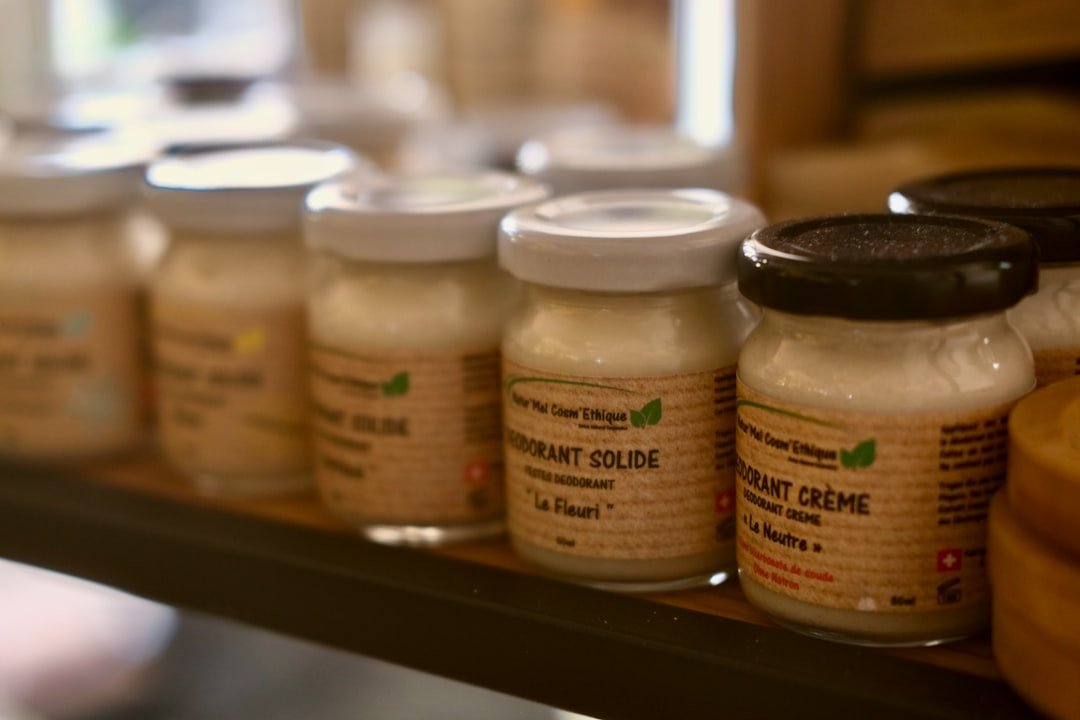
Fermentation is a biological process where microorganisms, such as bacteria, yeast, or molds, break down substances, typically carbohydrates, into simpler compounds. In the context of skincare, this process is applied to natural ingredients, often plant-based, to alter their chemical composition. K-Beauty, or Korean beauty, has widely adopted fermented ingredients in its formulations, leveraging this ancient preservation method for potential benefits to the skin. This article explores the reasons behind K-Beauty’s affinity for fermented skincare.
Fermentation is not a new concept; it has been used for millennia to preserve food. Think of it as a controlled decomposition. Microbes consume complex molecules in an ingredient and, by utilizing their metabolic pathways, transform them. This transformation is key to unlocking new properties.
Microbial Activity and Ingredient Transformation
At the heart of fermentation lies the action of microorganisms. These tiny powerhouses are nature’s alchemists, capable of breaking down large, complex molecules like proteins and carbohydrates into smaller, more manageable components.
Enzyme Production During Fermentation
During fermentation, the microorganisms produce enzymes. These enzymes act as biological catalysts, accelerating chemical reactions. For instance, enzymes like proteases can break down long chains of amino acids in proteins into smaller peptides and individual amino acids. Similarly, amylases can break down starches into simpler sugars. This enzymatic activity is the fundamental engine driving the transformation of raw ingredients.
Biotransformation of Molecules
The process results in biotransformation, where the original chemical structure of an ingredient is altered. This alteration can lead to a change in its molecular weight, polarity, and overall chemical properties. The goal is to make these transformed molecules more bioavailable, meaning they can be more readily absorbed and utilized by the skin.
Common Microorganisms in Skincare Fermentation
While various microorganisms can be employed, certain types are particularly favored in cosmetic applications due to their safety, efficacy, and the specific transformations they induce.
Yeast and Bacteria Strains
Yeast, such as Saccharomyces cerevisiae (often referred to as brewer’s yeast or baker’s yeast), is a prominent example. Its metabolic processes are well-understood and have been harnessed for centuries in food production. Certain strains of lactic acid bacteria, like Lactobacillus, also play a significant role. These bacteria are known for producing lactic acid, which has both exfoliating and moisturizing properties.
The Role of Probiotics in Fermentation
While not all fermented ingredients are probiotics in the ingestible sense, the concept of beneficial microorganisms is linked. Skincare fermentation often utilizes strains that are known to be beneficial or produce beneficial byproducts. The idea is that these transformations create a more “biologically active” ingredient.
Fermented Ingredients: A Deeper Dive
The effectiveness of fermented skincare hinges on the specific ingredients being fermented and the resulting compounds. K-Beauty brands meticulously select ingredients with proven benefits and then apply fermentation to enhance those qualities or introduce new ones.
Rice Fermentation: A K-Beauty Staple
Rice is a cornerstone ingredient in many Asian cultures, and its fermented form has found a prominent place in K-Beauty. The fermentation process yields various beneficial compounds.
Rice Water and its Traditional Use
Rice water, the cloudy liquid left after rinsing or soaking rice, has been used in traditional beauty routines for centuries. It is rich in vitamins, minerals, and amino acids. Fermenting rice water amplifies these benefits.
Benefits of Fermented Rice Extracts
Fermentation breaks down the complex carbohydrates in rice into simpler sugars and amino acids. It also potentially increases the bioavailability of existing nutrients. This can result in fermented rice extracts that are more hydrating, brightening, and may contribute to improved skin texture. The smaller molecules are theorized to penetrate the skin more effectively.
Ginseng Fermentation: Potency Unlocked
Ginseng, a revered herb in traditional Korean medicine, is another popular ingredient that undergoes fermentation in K-Beauty. Its known antioxidant and anti-inflammatory properties are further amplified.
The Power of Ginsenosides
Ginseng is renowned for its ginsenosides, which are thought to contribute to its therapeutic effects. Fermentation can alter the structure of these ginsenosides, potentially making them more active or bioavailable.
Antioxidant and Anti-Aging Properties
Fermented ginseng extracts are often marketed for their enhanced antioxidant capabilities, helping to combat free radical damage that contributes to premature aging. They may also support skin’s natural regenerative processes.
Soy Fermentation: Nutrient-Rich Transformation
Soybeans are packed with protein and other nutrients, and their fermentation yields a wealth of beneficial compounds for the skin.
Isoflavones and their Role
Soy isoflavones are a type of phytoestrogen with antioxidant properties. Fermentation can modify these isoflavones, potentially increasing their skin-penetrating ability and efficacy.
Moisturizing and Firming Effects
Fermented soy extracts are often incorporated into products aimed at improving skin hydration and firmness. The fermentation process is thought to create smaller, more easily absorbed peptides and amino acids that can support skin structure.
Why K-Beauty Embraces Fermentation
K-Beauty’s embrace of fermentation is not arbitrary. It aligns with the philosophy of achieving healthy, radiant skin through natural, potent ingredients and innovative techniques.
Enhanced Bioavailability and Efficacy
One of the primary drivers behind K-Beauty’s love for fermented skincare is the potential for enhanced bioavailability. When complex molecules are broken down into smaller ones through fermentation, they are theoretically easier for the skin to absorb and utilize.
Smaller Molecular Size for Better Penetration
Imagine a large boulder and a handful of small pebbles. The pebbles can slip through tighter spaces more easily. Similarly, smaller molecules produced during fermentation can potentially penetrate the stratum corneum, the outermost layer of the skin, more readily than their larger, unfermented counterparts. This improved penetration allows skincare ingredients to reach deeper layers where they can exert their effects.
Increased Absorption Rates
This enhanced penetration can translate to increased absorption rates. When ingredients are absorbed more effectively, their intended benefits – whether hydration, antioxidant protection, or brightening – are more likely to be realized. This is akin to a well-prepared meal being digested and absorbed efficiently by the body for optimal nutrient uptake.
Amplified Nutritional Content
Fermentation acts as a natural bio-enhancer for the original ingredients. It doesn’t just preserve; it can actively increase or transform beneficial compounds.
Increased Vitamin and Amino Acid Levels
During fermentation, microorganisms can synthesize new vitamins or increase the levels of existing ones. They also break down proteins into smaller peptides and individual amino acids, which are the building blocks of skin. These smaller units are more readily available for the skin to use in its repair and regeneration processes.
Creation of Novel Beneficial Compounds
Beyond simply increasing existing nutrients, fermentation can also lead to the creation of novel beneficial compounds. These new compounds may possess unique properties not found in the original ingredient, offering additional skincare advantages. This is like discovering new, sought-after pigments in a natural dye by processing it in a specific way.
Preservative Benefits: A Natural Approach
Historically, fermentation was a crucial method for preserving food, extending its shelf life without chemical additives. This preservation aspect is also valued in skincare.
Natural Antimicrobial Properties
Many fermented ingredients exhibit natural antimicrobial properties. The byproducts of fermentation, such as organic acids, can inhibit the growth of spoilage-causing microorganisms. This allows formulators to potentially reduce or eliminate the need for synthetic preservatives, which some consumers prefer to avoid.
Extended Shelf Life of Formulations
By creating a less hospitable environment for microbial growth, fermentation can contribute to the extended shelf life of skincare products. This is a practical advantage for both manufacturers and consumers, ensuring product integrity over time.
Improved Skin Texture and Tone
The smaller, more bioavailable molecules resulting from fermentation can contribute to noticeable improvements in skin texture and tone.
Exfoliation and Cell Turnover
Certain fermented ingredients, notably those producing lactic acid, can offer mild exfoliation. This process helps to remove dead skin cells, revealing fresher, smoother skin beneath. It can also stimulate cell turnover, leading to a more rejuvenated complexion.
Enhanced Hydration and Smoothness
The amino acids and peptides created during fermentation can help to improve the skin’s natural moisture barrier, leading to increased hydration and a smoother, plumper appearance. This is like replenishing the bricks and mortar of a wall to make it more robust and less permeable.
Brightening Effects
Some fermented ingredients are known to inhibit melanin production or break down existing pigment, contributing to a brighter and more even skin tone. This can help to fade dark spots and reduce hyperpigmentation.
The K-Beauty Philosophy and Fermentation
The rise of fermented skincare in K-Beauty is deeply intertwined with the region’s overarching beauty philosophy. It’s a holistic approach that prioritizes skin health and a natural, luminous complexion.
Emphasis on Skin Health and Wellness
K-Beauty places a strong emphasis on the long-term health and well-being of the skin, rather than focusing solely on masking imperfections. Fermentation aligns with this philosophy by aiming to improve the skin’s inherent resilience and function from within.
Nourishing the Skin Microbiome
While not all fermented ingredients are direct probiotics, the concept of supporting a healthy skin microbiome is gaining traction. Some fermented ingredients may indirectly benefit the skin’s natural balance of microorganisms. A balanced microbiome is crucial for a healthy skin barrier and overall skin function.
Long-Term Skin Improvement
The targeted transformations through fermentation aim for sustainable improvements in skin quality, such as enhanced hydration, elasticity, and radiance. This approach is about building a foundation for healthy skin that can age gracefully.
The “Less is More” Approach to Ingredients
Although K-Beauty is known for its multi-step routines, there’s a concurrent trend towards using highly potent and effective ingredients. Fermentation allows for the concentration and enhancement of beneficial compounds within fewer, yet more powerful, ingredients.
Potentiation of Natural Extracts
Instead of a long list of diluted extracts, K-Beauty brands often utilize single, highly potent fermented ingredients. This targeted approach leverages the science of fermentation to unlock the maximum potential of natural sources.
Innovation Through Traditional Methods
K-Beauty is a dynamic landscape that innovatively reinterprets traditional practices. Fermentation, an ancient method, is being scientifically explored and applied with modern cosmetic expertise, bridging the gap between heritage and cutting-edge skincare.
Consumer Demand for Natural and Effective Solutions
There is a growing global consumer demand for skincare products that are perceived as natural, effective, and safe. Fermented ingredients tick many of these boxes.
Natural Ingredient Appeal
The perception of fermentation as a natural process, using natural microorganisms to transform natural ingredients, appeals to consumers seeking alternative to synthetically derived ingredients.
Science-Backed Efficacy
While rooted in tradition, the scientific understanding of fermentation provides the empirical evidence that consumers look for. The ability to explain why fermented ingredients are beneficial – through enhanced bioavailability, nutrient amplification, etc. – lends credibility to these formulations.
Potential Concerns and Considerations
| Metric | Description | Value/Example |
|---|---|---|
| Fermentation Duration | Time taken for fermentation process in skincare products | 1 week to 3 months |
| pH Level | Optimal pH range for fermented skincare products | 4.0 – 5.5 |
| Preservation Effectiveness | Ability to extend shelf life without synthetic preservatives | Up to 12 months |
| Key Ingredients | Common fermented ingredients used in K-Beauty | Galactomyces, Lactobacillus, Rice Bran, Soybean |
| Skin Benefits | Reported benefits from fermented skincare | Improved hydration, enhanced absorption, antioxidant protection |
| Market Growth | Annual growth rate of fermented skincare segment in K-Beauty | 15% – 20% CAGR |
While the benefits of fermented skincare are often highlighted, it’s important to approach these products with informed expectations and to be aware of potential considerations.
Individual Sensitivity and Reactions
As with any skincare ingredient, individual reactions can occur. While fermentation aims to break down potentially irritating compounds, some individuals may still experience sensitivity.
Patch Testing is Recommended
It is always advisable to perform a patch test on a small, inconspicuous area of the skin before applying a new fermented skincare product to the entire face. This helps to identify any potential adverse reactions, such as redness, itching, or irritation.
Understanding Ingredient Lists
Consumers should familiarize themselves with the specific fermented ingredients in a product and research their known properties. This allows for a more informed choice based on individual skin type and concerns.
The Overstated Nature of Some Claims
The marketing surrounding fermented skincare can sometimes lead to exaggerated claims of efficacy. It’s important to approach these products with a balanced perspective.
Not a Miracle Cure
Fermentation is a scientific process that can enhance ingredient properties, but it is not a substitute for a comprehensive skincare routine or a solution for all skin concerns. Realistic expectations are key.
Importance of Formulation
The effectiveness of a fermented ingredient is also dependent on the overall formulation of the product. The concentration of the fermented ingredient, its interaction with other ingredients, and the delivery system all play a role in its performance.
The Fermentation Process Itself
The specifics of the fermentation process employed by manufacturers can vary, influencing the resulting compounds.
Microbial Strains and Conditions
The particular strains of microorganisms used, the fermentation time, temperature, and other environmental factors all contribute to the final outcome of the fermentation. This variability can lead to differences in product benefits.
Purity and Quality Control
Ensuring the purity of the microorganisms used and maintaining strict quality control throughout the fermentation process is crucial for safety and efficacy. Reputable brands will have robust quality assurance measures in place.
The Future of Fermented Skincare in K-Beauty and Beyond
K-Beauty’s innovative spirit suggests that the role of fermentation in skincare is likely to continue to evolve and expand, both within Korea and globally.
Diversification of Fermented Ingredients
As research progresses, new ingredients are likely to be explored for fermentation, unlocking novel skincare benefits. This could lead to a wider array of fermented products targeting specific concerns.
Exploration of Exotic Ingredients
The exploration of fermented versions of less common botanical extracts or even marine-derived ingredients could open up new avenues for innovation.
Targeted Fermentation Techniques
Future developments may involve more precise and targeted fermentation techniques, designed to produce specific beneficial compounds with even greater efficacy.
Integration with Other Technologies
Fermented ingredients are likely to be integrated with other advanced skincare technologies, such as encapsulation or peptide delivery systems, to further enhance their performance.
Synergistic Effects
Combining fermented ingredients with other scientifically proven actives could lead to synergistic effects, where the combined benefits are greater than the sum of their individual parts.
Personalized Skincare
As our understanding of the skin microbiome and individual needs grows, fermentation could play a role in developing more personalized skincare solutions.
Global Adoption and Influences
The popularity of K-Beauty has already led to increased global interest in fermented ingredients. This trend is expected to continue as consumers seek effective and science-backed natural skincare.
Western Brands Adopting Fermentation
Many Western skincare brands are already incorporating fermented ingredients into their formulations, reflecting the growing consumer demand and the demonstrable benefits observed.
Continued Innovation and Research
The ongoing research into the benefits and applications of fermented ingredients will undoubtedly continue to fuel innovation in the global skincare market. This ancient preservation method is proving to be remarkably relevant in the modern pursuit of healthy, radiant skin.