








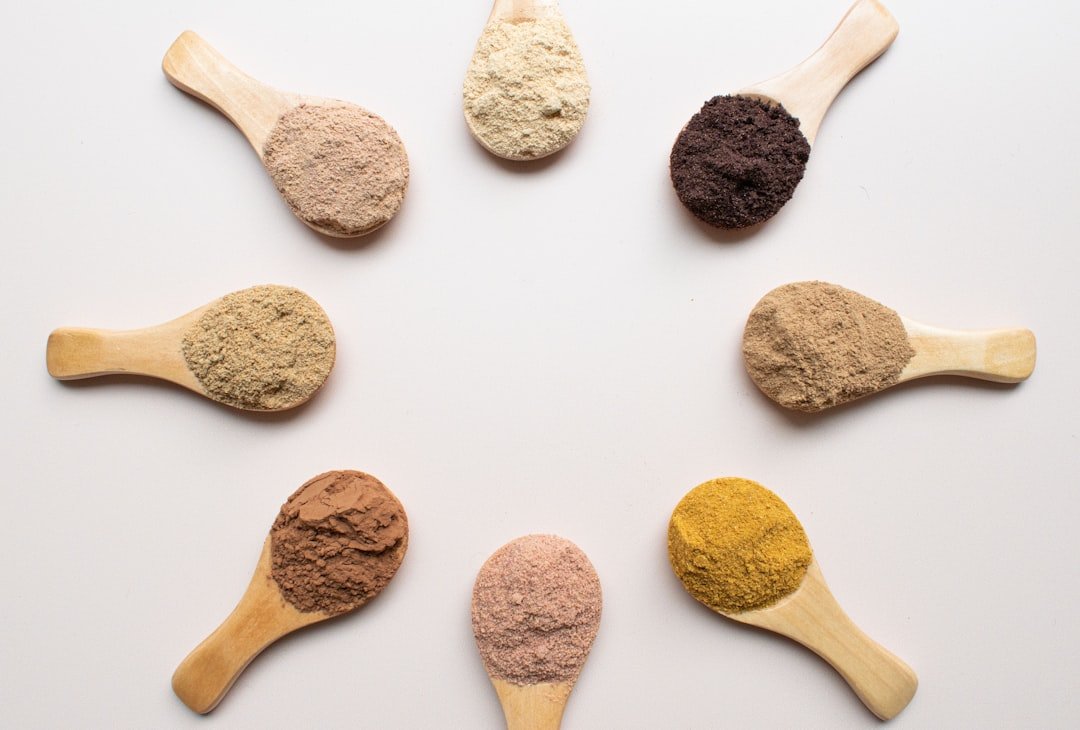
As a contributor to Wikipedia, this article will explore the relationship between dietary supplements and their potential impact on skin hydration and radiance. This discourse will maintain a factual and informative tone, avoiding hyperbolic language or subjective endorsements. The focus will be on presenting evidence-based information regarding various supplements and their purported mechanisms of action.
Skin hydration and glow are complex physiological processes influenced by a multitude of internal and external factors. Hydration refers to the water content within the epidermal and dermal layers, which contributes to skin plumpness, elasticity, and barrier function. A well-hydrated skin appears smoother and feels softer. Glow, often described as radiance or luminosity, relates to how light reflects off the skin’s surface. This is influenced by factors such as even skin tone, smooth texture, and healthy microcirculation.
The Skin Barrier
The outermost layer of the skin, the stratum corneum, forms a crucial barrier against environmental aggressors and transepidermal water loss (TEWL). This barrier is composed of corneocytes embedded in a lipid matrix, including ceramides, cholesterol, and fatty acids. Maintaining the integrity of this barrier is paramount for skin hydration. When the barrier is compromised, water evaporates more readily, leading to dryness and dullness. Think of your skin barrier as the protective wall around a city; if the walls are crumbling, the city becomes vulnerable.
Factors Affecting Hydration and Glow
Several intrinsic and extrinsic factors can influence skin hydration and radiance:
- Intrinsic Factors: Genetics, age (leading to decreased hyaluronic acid production and slower cell turnover), hormonal fluctuations, and underlying medical conditions.
- Extrinsic Factors: Environmental exposure (UV radiation, pollution, extreme temperatures), lifestyle choices (smoking, excessive alcohol consumption, poor diet), inadequate water intake, and inappropriate skincare practices.
The Role of Diet in Skin Health
The adage “you are what you eat” holds considerable truth when it comes to skin health. A balanced diet rich in micronutrients and macronutrients provides the necessary building blocks for healthy skin cell function, collagen production, and antioxidant defense.
Essential Nutrients for Skin
- Vitamins: Vitamin C is crucial for collagen synthesis and acts as an antioxidant. Vitamin E is another potent antioxidant, protecting skin cells from oxidative stress. Vitamin A (retinoids) plays a role in cell differentiation and turnover. B vitamins are involved in various metabolic processes essential for skin health.
- Minerals: Zinc contributes to wound healing and immune function in the skin. Selenium is an antioxidant. Copper is involved in collagen and elastin formation.
- Essential Fatty Acids: Omega-3 and omega-6 fatty acids contribute to the integrity of the skin barrier, reduce inflammation, and maintain skin hydration.
- Proteins: Necessary for the production of collagen, elastin, and other structural components of the skin. Water, of course, is a fundamental component for all bodily functions, including skin hydration.
Key Supplements for Hydration and Glow
While a balanced diet is the cornerstone of skin health, certain supplements may offer additional support, particularly when dietary intake is insufficient or specific deficits are present. It’s important to consult with a healthcare professional before initiating any supplement regimen. Consider supplements as fine-tuning instruments, not primary drivers.
Hyaluronic Acid
Hyaluronic acid (HA) is a glycosaminoglycan naturally present in the skin, connective tissues, and eyes. It possesses an exceptional capacity to attract and retain water molecules, acting as a molecular sponge. One gram of hyaluronic acid can hold up to six liters of water. In the skin, HA contributes to hydration, plumpness, and elasticity.
Mechanisms of Action
Oral hyaluronic acid supplements are hypothesized to increase the body’s overall HA levels, thereby potentially enhancing skin hydration from within. Studies have shown that orally administered HA can be absorbed and distributed to the skin, where it aids in maintaining dermal water content. The efficacy may depend on the molecular weight of the HA used in the supplement, with lower molecular weight HA potentially being more bioavailable.
Research and Evidence
Several human clinical trials have investigated the effects of oral HA on skin hydration. A meta-analysis published in the Journal of Cosmetic Dermatology concluded that oral HA supplementation significantly improved skin hydration and reduced wrinkle depth. However, the exact dosage and duration required for optimal effects remain areas of ongoing research.
Potential Benefits
- Improved skin hydration and elasticity
- Reduced appearance of fine lines and wrinkles
- Enhanced skin smoothness
Collagen Peptides
Collagen is the most abundant protein in the human body, providing structural support to skin, bones, muscles, and connective tissues. In the skin, collagen fibers form a scaffold that maintains firmness and elasticity. As we age, collagen production naturally declines, leading to visible signs of aging such as wrinkles and sagging skin.
Mechanisms of Action
Oral collagen peptides, also known as hydrolyzed collagen, are typically derived from bovine, marine, or avian sources. These peptides are short chains of amino acids that are thought to be more easily absorbed by the body than intact collagen protein. Once absorbed, they are believed to stimulate the body’s own collagen production and provide the necessary amino acid building blocks for synthesizing new collagen fibers. They may also support the production of elastin and hyaluronic acid.
Research and Evidence
A systematic review published in the Journal of Drugs in Dermatology found that oral collagen supplementation significantly improved skin elasticity, hydration, and dermal collagen density. Another study in Nutrients indicated that collagen peptides could significantly reduce eye wrinkle volume and increase skin procollagen type I. The evidence suggests a positive correlation between collagen peptide intake and skin health markers, though larger, more diverse studies are still being conducted.
Potential Benefits
- Enhanced skin elasticity and firmness
- Reduced appearance of wrinkles and fine lines
- Improved skin hydration
- Support for the skin’s structural integrity
Omega-3 Fatty Acids
Omega-3 fatty acids, primarily eicosapentaenoic acid (EPA) and docosahexaenoic acid (DHA), are essential polyunsaturated fatty acids that the body cannot produce on its own. They are crucial for cell membrane integrity, inflammatory response modulation, and overall skin health.
Mechanisms of Action
Omega-3s are incorporated into cell membranes, including those of skin cells, helping to maintain their fluidity and barrier function. They contribute to the production of eicosanoids, signaling molecules that can reduce inflammation. By modulating inflammatory pathways, omega-3s may help alleviate conditions associated with skin redness and irritation. Furthermore, they contribute to the lipid matrix of the stratum corneum, reinforcing the skin’s natural barrier and reducing TEWL. Think of omega-3s as the mortar between the bricks of your skin barrier, making it stronger and less permeable.
Research and Evidence
Numerous studies have explored the benefits of omega-3 supplementation for skin health. Research published in the Journal of the American Academy of Dermatology suggests that omega-3s can reduce UV-induced skin damage and mitigate inflammatory skin conditions like acne and eczema. A comprehensive review in Marine Drugs highlighted the role of omega-3s in improving skin hydration, barrier function, and reducing oxidative stress.
Potential Benefits
- Improved skin barrier function and hydration
- Reduced inflammation and redness
- Protection against UV-induced damage
- Potential amelioration of inflammatory skin conditions
Antioxidants (Vitamin C and E)
Antioxidants are compounds that neutralize free radicals, unstable molecules that can damage cells, including skin cells, through a process called oxidative stress. This damage contributes to premature aging, dullness, and a compromised skin barrier.
Mechanisms of Action
Vitamin C (Ascorbic Acid): This water-soluble vitamin is a potent antioxidant that protects skin cells from UV radiation and pollution-induced oxidative stress. It is also a crucial cofactor for collagen synthesis; without adequate vitamin C, the body cannot efficiently produce collagen. By supporting collagen production, vitamin C contributes to skin firmness and elasticity.
Vitamin E (Tocopherol): This fat-soluble vitamin is another powerful antioxidant that works in synergy with vitamin C. It protects cell membranes from oxidative damage and can help repair photodamage. Vitamin E also plays a role in maintaining the skin barrier and reducing inflammation.
Research and Evidence
Studies consistently demonstrate the benefits of antioxidant supplementation for skin. A review in Clinical, Cosmetic and Investigational Dermatology highlighted the role of vitamin C in boosting collagen production and protecting against photodamage. Research in the Journal of Investigative Dermatology illustrated vitamin E’s ability to reduce UV-induced erythema and oxidative stress. While topical application is well-established, oral supplementation ensures systemic antioxidant benefits.
Potential Benefits
- Protection against oxidative stress and environmental damage
- Support for collagen synthesis (Vitamin C)
- Improved skin tone and brightness
- Reduced inflammation
Ceramides
Ceramides are a family of lipid molecules naturally present in high concentrations within the stratum corneum. They are crucial components of the skin barrier, acting like the “mortar” between skin cells (corneocytes), holding them together and preventing water loss.
Mechanisms of Action
When the ceramide content in the skin is depleted, the skin barrier becomes compromised, leading to increased transepidermal water loss (TEWL), dryness, and susceptibility to irritants. Oral ceramide supplements are typically derived from plants (e.g., wheat, rice, konjac). They are hypothesized to be absorbed and transported to the skin, where they can replenish the natural ceramide content, thereby strengthening the skin barrier from within. This reinforcement helps the skin retain moisture more effectively. Think of ceramides as the cement that keeps the bricks (skin cells) in your skin’s protective wall firmly bonded, preventing leaks.
Research and Evidence
Clinical studies have shown that oral ceramide supplementation can improve skin hydration, reduce dryness, and enhance barrier function. A study published in the International Journal of Dermatology demonstrated that phytoceramide supplementation significantly increased skin hydration and reduced itching in individuals with dry skin. Another trial in Skin Pharmacology and Physiology reported improvements in skin barrier function and elasticity after ceramide intake.
Potential Benefits
- Enhanced skin barrier function
- Increased skin hydration and reduced dryness
- Improved skin smoothness and texture
- Potential relief for conditions associated with barrier dysfunction, such as eczema
Considerations and Cautions
While supplements can be beneficial, it is crucial to approach them with a discerning perspective. They are not a panacea for poor lifestyle choices or a substitute for expert medical advice.
Consult a Healthcare Professional
Before incorporating any new supplement into your routine, it is imperative to consult with a doctor, dermatologist, or registered dietitian. They can assess your individual needs, identify potential contraindications, and advise on appropriate dosages. Existing medical conditions, medications, and allergies must be taken into account.
Quality and Purity
The supplement industry is not as tightly regulated as the pharmaceutical industry in many regions. Therefore, selecting high-quality supplements from reputable manufacturers is paramount. Look for third-party certifications (e.g., USP, NSF International) that verify product purity, potency, and absence of contaminants. The label should clearly list ingredients, dosages, and expiration dates.
Dosage and Duration
Adhering to recommended dosages is crucial. Taking excessive amounts of certain supplements can lead to adverse effects. The duration of supplementation also varies. Some supplements may show effects within weeks, while others require several months of consistent use to demonstrate noticeable improvements. Patience and consistency are key.
Potential Side Effects and Interactions
Even natural supplements can have side effects or interact with medications. For example, some antioxidants can interfere with chemotherapy, and omega-3s can have blood-thinning effects. Always disclose all supplements you are taking to your healthcare provider.
Holistic Approach
Supplements should be viewed as one component of a comprehensive strategy for skin health. They work best when integrated into a healthy lifestyle that includes:
- A balanced diet: Rich in fruits, vegetables, whole grains, and lean proteins.
- Adequate hydration: Drinking enough water throughout the day.
- Sun protection: Daily use of broad-spectrum sunscreen.
- Stress management: Practices like meditation or yoga.
- Sufficient sleep: Allowing the body to repair and rejuvenate.
- Consistent skincare routine: Tailored to your skin type and concerns.
Conclusion
| Supplement | Key Ingredients | Benefits for Hydration | Benefits for Glow | Recommended Daily Dosage |
|---|---|---|---|---|
| Hyaluronic Acid | Hyaluronic acid | Enhances skin moisture retention | Improves skin plumpness and smoothness | 100-200 mg |
| Collagen Peptides | Type I & III collagen peptides | Supports skin hydration by strengthening skin barrier | Reduces wrinkles and promotes radiant skin | 5-10 g |
| Omega-3 Fatty Acids | EPA and DHA | Maintains skin lipid barrier to prevent dryness | Reduces inflammation and enhances skin glow | 1000 mg |
| Vitamin C | Ascorbic acid | Supports collagen synthesis for hydrated skin | Brightens skin and reduces pigmentation | 75-90 mg |
| Biotin | Vitamin B7 | Improves skin hydration by supporting fatty acid metabolism | Promotes healthy skin and natural glow | 30 mcg |
| Zinc | Zinc gluconate or citrate | Regulates oil production to maintain balanced hydration | Supports skin healing and reduces acne-related dullness | 8-11 mg |
The pursuit of “edible beauty” through supplements is an evolving field with promising research. Hyaluronic acid, collagen peptides, omega-3 fatty acids, ceramides, and key antioxidants like vitamins C and E show potential in supporting skin hydration, strengthening the skin barrier, and contributing to a more radiant complexion. However, these supplements are not magic pills. They function as supportive tools within a holistic framework of health. The cornerstone of vibrant skin remains a balanced diet, adequate hydration, robust sun protection, and a healthy lifestyle. Always prioritize consultation with a healthcare professional to ensure safe and effective integration of supplements into your personal wellness regimen. Remember, lasting beauty is a reflection of overall well-being.