








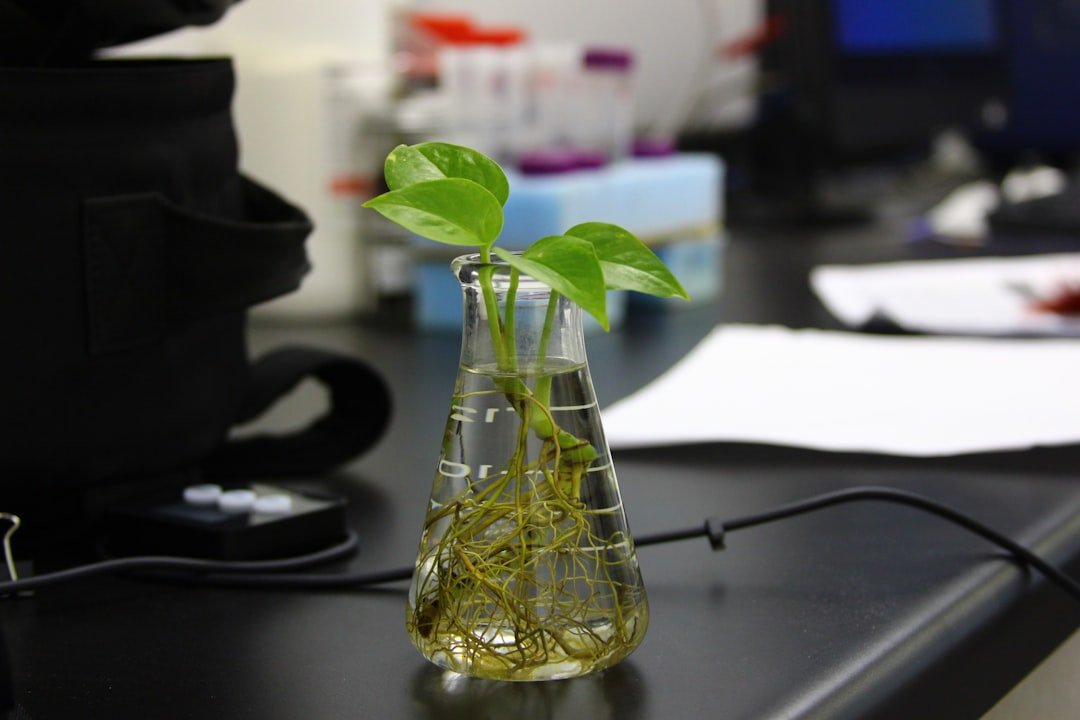
The cosmetics industry, historically reliant on natural resources, faces increasing scrutiny regarding its environmental impact. Traditional ingredient sourcing often involves practices that contribute to deforestation, biodiversity loss, and excessive water consumption. In response, a paradigm shift is occurring: the emergence of bio-tech beauty. This approach leverages scientific innovation to produce ingredients in controlled laboratory environments, offering a sustainable alternative to conventional methods.
The beauty industry’s quest for efficacy and novelty has long driven a demand for a vast array of natural raw materials. Understanding the scope of this demand illuminates the necessity for alternative sourcing.
Resource Depletion and Habitat Destruction
Many popular cosmetic ingredients are derived from plants requiring specific growing conditions. Palm oil, a common emulsifier and surfactant, is a notorious example. Its cultivation is a primary driver of deforestation in Southeast Asia, leading to critical habitat loss for endangered species like orangutans and Sumatran tigers. Similarly, shea butter, extracted from the nuts of the shea tree, is a vital economic resource for communities in West Africa. However, growing global demand risks unsustainable harvesting practices and puts pressure on natural shea tree populations.
Water Intensity and Pollution
The agricultural sector, including the cultivation of cosmetic ingredients, is a major consumer of fresh water. Crops like cotton, used for cotton pads or as a binder in some formulations, are particularly thirsty. Beyond direct consumption, agricultural run-off containing pesticides and fertilizers can pollute waterways, impacting aquatic ecosystems and human health. The extraction and processing of minerals, such as mica, can also involve significant water usage and generate waste products that contaminate local environments.
Carbon Emissions from Supply Chains
The global supply chains of cosmetic ingredients are often extensive. Raw materials are cultivated in one region, processed in another, and then transported to manufacturing facilities before reaching consumers. Each stage of this journey typically involves fossil fuel consumption, contributing to greenhouse gas emissions. The refrigeration of temperature-sensitive natural extracts, for instance, adds further to this carbon burden.
The Rise of Bio-Fabrication
Bio-fabrication, broadly defined, refers to the production of complex biological products using technological processes. In the context of beauty, this involves cultivating ingredients through methods that bypass traditional agriculture. This approach offers a means to decouple ingredient production from land use and climatic variability.
Precision Fermentation
Precision fermentation utilizes microorganisms, often bacteria or yeast, engineered to produce specific compounds. It’s akin to brewing, but instead of alcohol, the microbes are instructed to synthesize everything from hyaluronic acid to certain peptides and vitamins. The process begins with a starter culture of the desired microorganism in a bioreactor. These bioreactors provide a controlled environment, regulating temperature, pH, and nutrient supply. As the microorganisms metabolize sugars or other feedstocks, they excrete the target compound. This compound is then isolated and purified.
For example, squalane, a highly sought-after emollient, has traditionally been sourced from shark liver or, more recently, from olives. However, precision fermentation now allows for the production of highly pure, bio-identical squalane from sustainable yeast strains. This eliminates the ethical concerns associated with animal-derived squalane and the land and water requirements of olive cultivation.
Cell Culture Technology
Cell culture involves growing plant or animal cells in vitro, independent of the whole organism. For cosmetic ingredients, this primarily refers to plant cell culture. A small sample of plant tissue is taken from a desirable plant – perhaps one known for its potent antioxidant properties or rare botanical extracts. These cells are then propagated in a nutrient-rich medium under sterile conditions. As the cells multiply, they continue to produce the same beneficial secondary metabolites found in the whole plant.
This approach offers distinct advantages. It allows for the production of rare or endangered plant compounds without harvesting the plant itself. It also provides a consistent supply of ingredients, irrespective of climate changes or seasonal variations. For instance, plant stem cell technology is being utilized to produce compounds from edelweiss or rare orchids, offering benefits like anti-aging properties without impacting wild populations.
Synthetic Biology
Synthetic biology represents a more advanced form of genetic engineering, focused on designing and constructing new biological parts, devices, and systems, or redesigning existing natural biological systems. In bio-tech beauty, this might involve engineering microorganisms to produce novel compounds not found in nature, or to optimize the production yield of existing compounds. This field offers the potential to create ingredients with enhanced efficacy or targeted functionalities that are difficult or impossible to achieve through traditional extraction or even simple fermentation.
The ethical considerations of synthetic biology are frequently debated, particularly concerning the intentional release of genetically modified organisms into the environment. However, for cosmetic ingredient production, the process is typically contained within closed bioreactors, mitigating these specific risks. The products themselves are often bio-identical to naturally occurring compounds, or novel but non-living molecules.
Addressing Key Sustainability Concerns
Bio-tech beauty directly confronts many of the environmental challenges posed by traditional ingredient sourcing. It’s a proactive step towards a more sustainable industry.
Reduced Land and Water Footprint
One of the most significant advantages of lab-grown ingredients is their minimal spatial requirement. A bioreactor takes up a fraction of the land required for conventional agriculture. This reduced land use directly alleviates pressure on forests and biodiversity hotspots. Furthermore, the contained nature of bio-fabrication processes allows for precise control over water usage. Water can be recycled within the system, substantially reducing overall consumption compared to field irrigation. This is particularly impactful for ingredients whose natural counterparts are grown in water-stressed regions. Consider the environmental burden of a traditional botanical farm—expanses of land, intricate irrigation systems, and climatic vulnerability. Bio-tech offers a scaled-down, controlled alternative, a sort of highly efficient indoor farm for molecules.
Minimized Pesticide and Fertilizer Use
Traditional agriculture frequently relies on pesticides to protect crops and fertilizers to enhance growth. These chemicals can have detrimental effects on soil health, beneficial insects, and water quality. In a controlled lab environment, such interventions are largely unnecessary. The aseptic conditions within bioreactors preclude the need for pesticides, and the controlled nutrient media eliminate the requirement for synthetic fertilizers, preventing their run-off into natural ecosystems. This translates to cleaner water and healthier soil in areas where traditional agriculture previously dominated.
Consistent Quality and Supply Chain Stability
Climatic events, geopolitical instability, and pests can disrupt the supply of natural ingredients, leading to price volatility and inconsistent quality. Lab-grown ingredients, cultivated under controlled conditions, offer a consistently high level of purity and a stable supply. This predictability benefits manufacturers, allowing for more reliable production planning and product development. For consumers, it means greater assurance regarding the quality and efficacy of the products they purchase. This stability is a bulwark against the vagaries of a globalized supply chain, a calm harbor in a sometimes turbulent sea of natural resource availability.
Ethical Sourcing and Animal Welfare
Certain traditional ingredients have animal welfare implications. Collagen and elastin, for example, were historically sourced from animal byproducts. Bio-tech methods, particularly precision fermentation, are increasingly enabling the production of bio-identical alternatives without animal involvement. This also extends to ingredients like carmine (red dye derived from cochineal insects) or certain waxes. By providing animal-free options, bio-tech beauty aligns with growing consumer demand for ethical and vegan cosmetic products.
The Broader Economic and Innovation Landscape
Beyond direct environmental benefits, bio-tech beauty is catalyzing innovation and creating new economic opportunities within the cosmetics sector.
Driving Innovation in Ingredient Development
The ability to engineer microorganisms and cultivate cells opens up new frontiers for ingredient discovery. Researchers can now design molecules with specific properties, rather than being limited to what nature spontaneously produces. This could lead to genuinely novel ingredients offering enhanced benefits, or more stable and effective versions of existing ones. For example, specific peptide sequences can be designed and produced through fermentation to target precise skin concerns. This iterative design process is a powerful engine for new product development.
Shifting Manufacturing Paradigms
The adoption of bio-tech ingredients necessitates new manufacturing infrastructure and specialized expertise. This shift fosters growth in biotechnology firms and creates demand for skilled scientists, engineers, and technicians. It moves manufacturing away from resource extraction and towards a knowledge-based, high-tech industry. This can contribute to localized production, reducing reliance on long-distance transportation and strengthening regional economies.
Consumer Acceptance and Market Growth
Initially, consumers might view “lab-grown” ingredients with apprehension. However, as the environmental implications of traditional sourcing become more widely understood, and as brands effectively communicate the scientific rigor and sustainability benefits of these alternatives, consumer acceptance is growing. The transparency that bio-tech offers, regarding the origin and production of ingredients, resonates with a consumer base increasingly concerned with ethical consumption. This trend is evidenced by the rapid growth of the bio-tech beauty market segment.
Challenges and Future Directions
| Metric | Traditional Ingredients | Lab-Grown Ingredients | Environmental Impact |
|---|---|---|---|
| Water Usage (liters per kg) | 15000 | 500 | Reduced by 97% |
| Land Use (sq meters per kg) | 20 | 1 | Reduced by 95% |
| Carbon Emissions (kg CO2 per kg) | 30 | 5 | Reduced by 83% |
| Production Time (days) | 90 | 7 | Reduced by 92% |
| Yield Consistency | Variable | Consistent | Improved reliability |
| Use of Harmful Chemicals | High | Minimal | Reduced toxicity |
While the promise of bio-tech beauty is substantial, widespread adoption faces certain hurdles.
Cost and Scalability
Developing and scaling up bio-fabrication processes can be capital-intensive, particularly in the initial stages. The specialized equipment, research and development costs, and the need for highly skilled personnel can make lab-grown ingredients more expensive than their traditional counterparts, especially commodity ingredients. As technology matures and production volumes increase, these costs are projected to decrease, making them more competitive. Continued investment in bioreactor technology and process optimization will be crucial for achieving economies of scale.
Regulatory Frameworks and Consumer Perception
The rapid pace of innovation in bio-tech can outpace regulatory updates. Governments and international bodies need to establish clear, consistent, and scientifically sound regulatory frameworks for novel ingredients to ensure safety and build consumer trust. Transparent labeling and educational campaigns are also vital to demystify “lab-grown” products and highlight their environmental advantages rather than letting misconceptions take root. The terminology itself needs careful consideration to avoid triggering consumer skepticism.
Energy Consumption of Bioreactors
While bio-fabrication reduces land and water use, bioreactors and associated equipment do consume energy. The sustainability of bio-tech beauty is therefore intertwined with the sustainability of the energy grid. As the world transitions to renewable energy sources, the environmental footprint associated with the energy consumption of bio-tech facilities will proportionally decrease. Investing in energy-efficient bioreactor designs and ensuring renewable energy sourcing for production facilities are critical future directions.
Research into Broader Applications
Future research will likely focus on expanding the repertoire of ingredients that can be produced through bio-tech. This includes exploring novel compounds for specific skin concerns, optimizing existing production strains for higher yields and purity, and experimenting with diverse microbial consortia for complex ingredient synthesis. The integration of artificial intelligence and machine learning in optimizing fermentation parameters and accelerating discovery will also be a key area of development.
In conclusion, bio-tech beauty offers a compelling pathway towards a more sustainable and ethical cosmetics industry. By leveraging scientific techniques like precision fermentation, cell culture, and synthetic biology, it provides a means to produce high-quality ingredients with a significantly reduced environmental footprint. While challenges related to cost, regulation, and energy consumption remain, the trajectory of innovation and growing consumer demand indicates that lab-grown ingredients are not merely a fleeting trend, but a fundamental shift, acting as a crucial pivot point for the beauty sector’s ecological transformation. This is not about artificiality, but about intelligent, sustainable creation.