








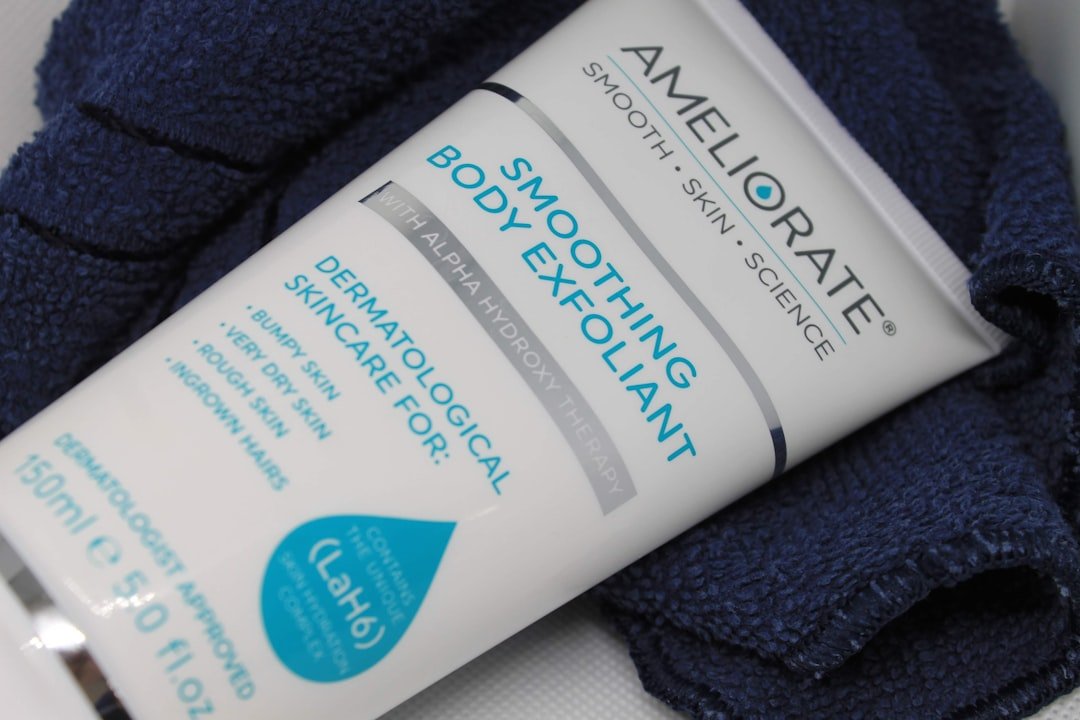
To embark on our skincare journey, we must first take the time to understand our skin type. Each of us has a unique skin composition that can significantly influence how our skin reacts to various products and environmental factors. Generally, skin types are categorized into four main groups: dry, oily, combination, and sensitive.
By identifying our skin type, we can tailor our skincare routine to meet its specific needs, ensuring that we achieve the healthiest and most radiant complexion possible. When we examine our skin, we should consider factors such as oiliness, dryness, sensitivity, and the presence of blemishes. For instance, if our skin feels tight and looks flaky, we may be dealing with dryness.
Conversely, if our skin appears shiny and is prone to breakouts, we might have oily skin. Combination skin presents its own challenges, often exhibiting characteristics of both dry and oily skin in different areas of the face. By taking the time to assess our skin’s unique traits, we can make informed decisions about the products we choose and the routines we establish.
Key Takeaways
- Understanding your skin type is crucial for choosing the right skincare products and routine.
- For dry skin, opt for products with hydrating and moisturizing ingredients like hyaluronic acid and ceramides.
- Oily skin benefits from oil-free and non-comedogenic products, such as gel-based moisturizers and salicylic acid cleansers.
- A balanced skincare routine includes cleansing, exfoliating, moisturizing, and protecting with sunscreen.
- Incorporate hydration for dry skin by using a humidifier, drinking plenty of water, and using hydrating serums and masks.
Choosing the Right Products for Dry Skin
Moisturizers: The Key to Hydration
We should look for moisturizers that contain rich emollients and humectants, such as hyaluronic acid, glycerin, and ceramides. These ingredients work together to draw moisture into the skin and lock it in, creating a barrier that helps to prevent further moisture loss.
Gentle Cleansing and Exfoliation
Additionally, we may want to consider using cream-based cleansers that are gentle and hydrating, as harsh soaps can strip our skin of its natural oils. We should also be mindful of exfoliating products; while exfoliation is essential for removing dead skin cells, we must choose gentle exfoliants that won’t exacerbate dryness.
Facial Oils: An Extra Layer of Nourishment
Incorporating facial oils into our routine can provide an extra layer of nourishment for dry skin. Oils such as jojoba, argan, or rosehip can help to replenish lost moisture and improve the overall texture of our skin.
By carefully curating our product selection, we can create a skincare regimen that effectively addresses the needs of our dry skin.
Choosing the Right Products for Oily Skin
When it comes to oily skin, our focus should be on products that help control excess oil while still providing adequate hydration. We should seek out lightweight, oil-free moisturizers that won’t clog our pores or contribute to breakouts. Gel-based formulas are often ideal for oily skin types, as they provide hydration without the heaviness of cream-based products.
Additionally, we may want to incorporate toners containing salicylic acid or witch hazel, which can help to minimize the appearance of pores and reduce shine throughout the day. Cleansers play a vital role in managing oily skin as well. We should opt for foaming or gel cleansers that effectively remove excess oil and impurities without over-drying our skin.
Ingredients like tea tree oil or benzoyl peroxide can also be beneficial in combating acne and preventing future breakouts. However, we must be cautious not to over-cleanse or use harsh products that could irritate our skin and lead to increased oil production.
Creating a Balanced Skin Care Routine
| Step | Description |
|---|---|
| Cleansing | Use a gentle cleanser to remove dirt and oil from the skin. |
| Exfoliating | Exfoliate to remove dead skin cells and promote cell turnover. |
| Toning | Use a toner to balance the skin’s pH levels and remove any remaining impurities. |
| Moisturizing | Apply a moisturizer to hydrate and protect the skin. |
| Sun Protection | Use a sunscreen with SPF to protect the skin from UV damage. |
| Treatment | Apply serums or treatments targeted at specific skin concerns, such as acne or aging. |
Establishing a balanced skincare routine is essential for maintaining healthy skin, regardless of our skin type. We should begin with a gentle cleanser to remove dirt and impurities without stripping our skin of its natural oils. Following cleansing, we can apply a toner to help balance our skin’s pH levels and prepare it for subsequent products.
This step is particularly important for those of us with oily or combination skin, as it can help control excess oil production. Next, we should incorporate serums or treatments that target specific concerns such as dryness, oiliness, or acne. For example, those with dry skin may benefit from a hydrating serum containing hyaluronic acid, while those with oily skin might opt for a serum with salicylic acid to help control breakouts.
Finally, we must not forget the importance of moisturizing; regardless of our skin type, a suitable moisturizer is crucial for maintaining hydration levels. By following these steps consistently, we can create a balanced skincare routine that addresses our individual needs.
Incorporating Hydration for Dry Skin
For those of us with dry skin, hydration is paramount in achieving a healthy complexion. We should prioritize using hydrating products throughout our skincare routine. This includes not only moisturizers but also hydrating masks and treatments that can provide an extra boost of moisture when needed.
Incorporating these products into our routine can help alleviate dryness and restore our skin’s natural barrier. In addition to topical products, we must also consider internal hydration. Drinking plenty of water throughout the day is essential for maintaining overall skin health.
When we are adequately hydrated from within, our skin is more likely to appear plump and radiant. Furthermore, incorporating foods rich in omega-3 fatty acids—such as salmon, walnuts, and flaxseeds—can also support our skin’s hydration levels. By combining external hydration through skincare products with internal hydration through diet and water intake, we can effectively combat dryness.
Managing Excess Oil for Oily Skin
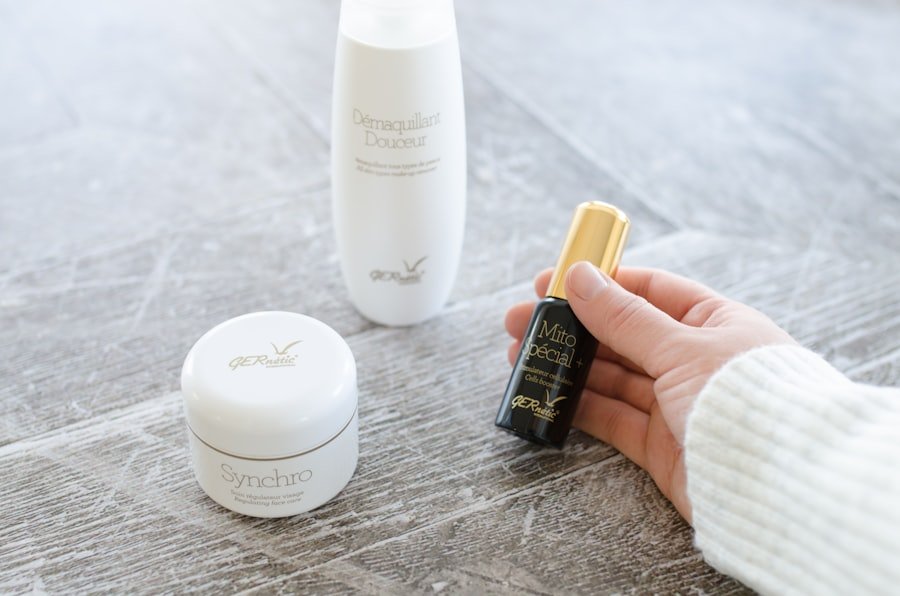
Managing excess oil is a common concern for those of us with oily skin. To keep shine at bay throughout the day, we should consider incorporating mattifying products into our routine. Primers designed for oily skin can help create a smooth base for makeup while controlling shine.
Additionally, using blotting papers throughout the day can provide a quick fix for excess oil without disrupting our makeup. Exfoliation is another key component in managing oily skin. Regularly exfoliating helps remove dead skin cells that can clog pores and lead to breakouts.
We should aim to exfoliate two to three times a week using gentle exfoliants that won’t irritate our skin. Chemical exfoliants containing alpha-hydroxy acids (AHAs) or beta-hydroxy acids (BHAs) can be particularly effective in keeping our pores clear and reducing excess oil production. By implementing these strategies into our skincare routine, we can effectively manage oily skin and maintain a balanced complexion.
Tips for Balancing Combination Skin
For those of us with combination skin, finding the right balance can be challenging but not impossible. We often experience both dry patches and oily areas on our face, requiring us to adopt a tailored approach to skincare. One effective strategy is to use different products on different areas of our face; for instance, we might apply a heavier moisturizer on dry areas while using a lightweight gel on oilier zones.
Additionally, incorporating multi-masking techniques can be beneficial for combination skin types. This involves applying different masks simultaneously to address specific concerns in various areas of the face—such as using a hydrating mask on dry patches while applying a clay mask on oily zones. By being mindful of our unique needs and adjusting our product choices accordingly, we can achieve a harmonious balance in our skincare routine.
Adjusting Your Routine for Seasonal Changes
As the seasons change, so too do the needs of our skin. It’s essential for us to adjust our skincare routine accordingly to accommodate these shifts in climate and environmental factors. For instance, during colder months when humidity levels drop, we may find that our skin becomes drier than usual.
In this case, we should consider switching to richer moisturizers or adding hydrating serums to combat increased dryness. Conversely, during warmer months when humidity levels rise, we might notice an increase in oil production and breakouts. To address this change, we may want to opt for lighter formulations and incorporate more mattifying products into our routine.
Additionally, sunscreen becomes even more critical during sunny months; we should ensure that we are using broad-spectrum SPF daily to protect our skin from harmful UV rays. By remaining attuned to the seasonal changes affecting our skin and adjusting our routines accordingly, we can maintain healthy and balanced skin year-round. In conclusion, understanding our individual skin types and needs is fundamental in creating an effective skincare routine that promotes healthy and radiant skin.
By choosing the right products tailored to dry or oily skin concerns and incorporating hydration or oil management strategies as needed, we can achieve a balanced complexion that adapts seamlessly to seasonal changes. With patience and consistency in our approach, we will undoubtedly see improvements in our skin’s overall health and appearance over time.
If you are looking to establish a skincare routine tailored to your specific skin type, you may want to check out this ultimate guide to an effective skincare routine. This article provides valuable tips and insights on how to create a personalized regimen that addresses the needs of both dry and oily skin. By following the advice outlined in this guide, you can achieve healthier, more radiant skin.