






Self-care is an essential practice that transcends age and gender, yet it holds particular significance for women and seniors. In a world that often demands more than individuals can give, self-care becomes a vital tool for maintaining physical, emotional, and mental well-being. For women, who frequently juggle multiple roles—be it as caregivers, professionals, or community members—the need to carve out time for themselves is paramount.
Engaging in self-care allows women to recharge, fostering resilience against stress and enhancing their overall quality of life. This is especially crucial for seniors, who may face unique challenges such as health issues, social isolation, or the loss of loved ones. Prioritizing self-care can help mitigate feelings of loneliness and depression, promoting a sense of purpose and connection.
Moreover, self-care practices can lead to improved health outcomes. Research indicates that women who engage in regular self-care activities report lower levels of anxiety and depression. For seniors, self-care can enhance mobility, cognitive function, and emotional stability.
Activities that promote relaxation and joy can also lead to better sleep patterns and reduced chronic pain. By recognizing the importance of self-care, women and seniors can take proactive steps toward nurturing their well-being, ultimately leading to a more fulfilling life.
Key Takeaways
- Self-care is crucial for the well-being of women and seniors, as it promotes physical, mental, and emotional health.
- Creating a relaxing atmosphere at home can help women and seniors unwind and de-stress, promoting a sense of calm and tranquility.
- DIY spa treatments offer women and seniors the opportunity to pamper themselves with natural and affordable ingredients.
- Choosing the right skincare products is essential for an at-home spa night, as it can enhance the overall experience and provide long-term benefits for the skin.
- Aromatherapy can have numerous benefits for women and seniors, including stress relief, improved sleep, and mood enhancement.
Creating a Relaxing Atmosphere at Home
Declutter and Simplify
The environment in which you practice self-care plays a crucial role in its effectiveness. A tidy space can reduce stress and promote a sense of calm, making it essential to declutter the area before your at-home spa night.
Set the Mood with Lighting and Sound
Consider dimming the lights or using soft lamps to create a warm glow that soothes the senses. Adding elements like candles or fairy lights can add a touch of magic to the ambiance, making the space feel inviting and tranquil. Soft instrumental music or nature sounds can help drown out distractions and create a serene backdrop for relaxation.
Enhance Physical Comfort and Bring in Nature
Using comfortable textiles like plush blankets, soft pillows, and cozy robes can enhance physical comfort and contribute to an overall sense of well-being. Additionally, incorporating plants or fresh flowers can bring life into the space while also improving air quality. The combination of visual beauty, soothing sounds, and tactile comfort creates an ideal environment for self-care.
DIY Spa Treatments for Women and Seniors
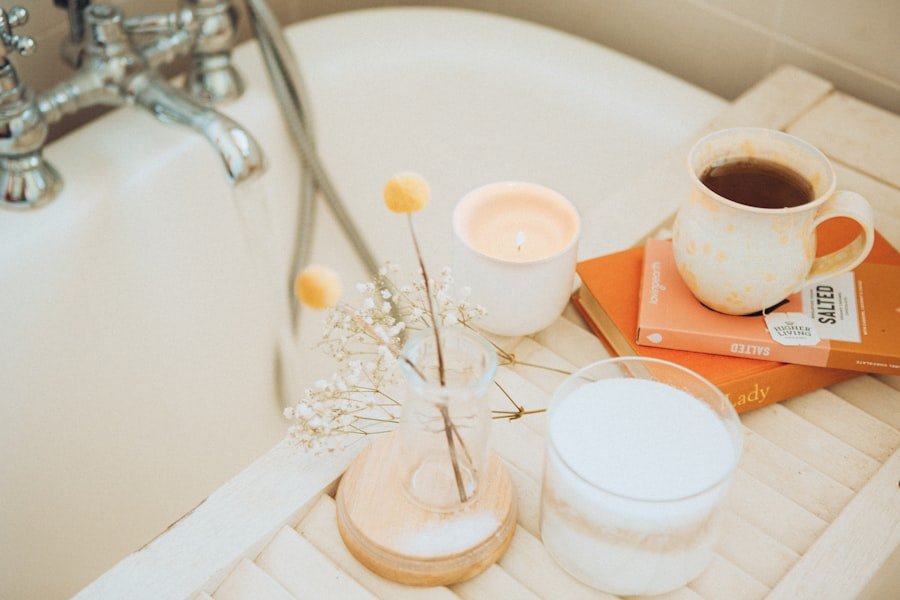
DIY spa treatments offer an accessible way for women and seniors to indulge in self-care without the need for expensive spa visits. One popular treatment is a homemade facial mask, which can be crafted from natural ingredients found in the kitchen. For instance, a simple mask made from mashed avocado and honey can provide deep hydration and nourishment for the skin.
Avocado is rich in healthy fats and vitamins, while honey acts as a natural humectant, drawing moisture into the skin. Applying this mask while relaxing with soothing music can transform an ordinary evening into a rejuvenating experience. Another effective DIY treatment is a foot soak infused with Epsom salts and essential oils.
Epsom salts are known for their ability to relieve muscle tension and promote relaxation. Adding a few drops of lavender or peppermint essential oil can enhance the experience further by providing aromatherapy benefits. Soaking feet in warm water with these ingredients not only soothes tired feet but also creates a moment of mindfulness as one focuses on the sensations of warmth and relaxation.
These simple yet effective treatments empower women and seniors to take charge of their self-care routines in the comfort of their own homes.
Choosing the Right Skincare Products for Your At-Home Spa Night
Selecting the right skincare products is crucial for maximizing the benefits of an at-home spa night. Women and seniors should consider their unique skin types and concerns when choosing products. For instance, those with dry skin may benefit from rich creams containing hyaluronic acid or shea butter, which provide intense hydration.
On the other hand, individuals with oily or acne-prone skin might opt for lightweight gels or foams that contain salicylic acid or tea tree oil to help control excess oil production. In addition to skin type, it’s essential to consider any sensitivities or allergies when selecting products. Many brands now offer hypoallergenic options that cater specifically to sensitive skin, ensuring that everyone can enjoy their spa night without irritation.
Furthermore, incorporating products with natural ingredients—such as aloe vera, chamomile, or green tea—can provide additional soothing benefits. By carefully curating a selection of skincare products tailored to individual needs, women and seniors can enhance their at-home spa experience while promoting healthy skin.
The Benefits of Aromatherapy for Women and Seniors
Aromatherapy is a powerful tool that can significantly enhance relaxation during an at-home spa night. The use of essential oils derived from plants has been shown to have various therapeutic effects on both physical and emotional well-being. For instance, lavender essential oil is renowned for its calming properties; studies have demonstrated its ability to reduce anxiety levels and improve sleep quality.
Incorporating lavender into an evening routine—whether through diffusing it in the air or adding it to bathwater—can create a serene atmosphere conducive to relaxation. In addition to lavender, other essential oils such as eucalyptus, chamomile, and bergamot offer unique benefits that cater to different needs. Eucalyptus oil is often used for its refreshing properties and can help clear sinuses during cold seasons, while chamomile is known for its soothing effects on both the mind and body.
Bergamot oil has been linked to mood enhancement and stress relief. By understanding the various benefits of different essential oils, women and seniors can tailor their aromatherapy experience to suit their specific needs, creating a personalized sanctuary of relaxation.
Incorporating Meditation and Mindfulness into Your At-Home Spa Night
Enhancing Relaxation through Meditation
One effective way to incorporate meditation is by setting aside time before or after spa treatments to engage in deep breathing exercises or guided meditations. This practice not only enhances relaxation but also helps clear the mind of distractions.
Practicing Mindfulness during Spa Treatments
Mindfulness can also be practiced during spa treatments themselves. For example, while applying a facial mask or soaking in a bath, individuals can focus on the sensations they are experiencing—the warmth of the water, the texture of the mask on their skin, or the scent of essential oils in the air.
Cultivating a Deeper Connection with Oneself
This heightened awareness transforms routine activities into opportunities for mindfulness, allowing women and seniors to cultivate a deeper connection with themselves during their self-care rituals.
The Power of Herbal Teas and Infusions for Relaxation
Herbal teas are not only delicious but also serve as powerful allies in promoting relaxation during an at-home spa night. Certain herbs have been used for centuries for their calming properties; chamomile tea is perhaps one of the most well-known examples. Drinking chamomile tea before bed has been linked to improved sleep quality due to its mild sedative effects.
Similarly, lemon balm tea has been shown to reduce anxiety levels and promote feelings of calmness. In addition to chamomile and lemon balm, other herbal infusions such as passionflower or valerian root can also contribute to relaxation. These teas can be enjoyed hot or iced, depending on personal preference, making them versatile options for any season.
Preparing a pot of herbal tea not only provides hydration but also creates a moment of ritual that enhances the overall spa experience. Sipping on these soothing brews while engaging in self-care activities allows women and seniors to nourish their bodies from within.
Gentle Yoga and Stretching for Women and Seniors
Incorporating gentle yoga and stretching into an at-home spa night can significantly enhance relaxation while promoting physical well-being. Yoga offers numerous benefits for women and seniors alike; it improves flexibility, strengthens muscles, and promotes better posture—all essential aspects of maintaining mobility as one ages. Simple poses such as Child’s Pose or Cat-Cow can be easily performed at home without any special equipment.
A few minutes spent stretching before or after spa treatments can create a sense of physical release that complements mental relaxation. For seniors who may have limited mobility, chair yoga offers an excellent alternative that allows them to enjoy the benefits of yoga without straining their bodies.
By integrating gentle movement into their self-care routines, women and seniors can cultivate both physical health and mental tranquility.
The Role of Music and Sound Therapy in Self-Care
Music has long been recognized as a powerful tool for enhancing mood and promoting relaxation. During an at-home spa night, carefully selected music can create an atmosphere conducive to self-care by soothing the mind and body. Soft instrumental music or nature sounds—such as ocean waves or birdsong—can help drown out distractions while encouraging deep relaxation.
Research has shown that listening to calming music can lower heart rates and reduce levels of cortisol, the stress hormone. Sound therapy is another effective method for promoting relaxation during self-care routines. This practice involves using specific frequencies or vibrations to create a sense of harmony within the body.
Instruments such as singing bowls or tuning forks can be used to produce soothing sounds that resonate with individuals on a deeper level. Incorporating sound therapy into an at-home spa night not only enhances relaxation but also fosters a sense of connection with oneself through auditory experiences.
Tips for Hosting a Spa Night for Women and Seniors
Hosting a spa night for women and seniors can be a delightful way to foster community while promoting self-care practices among friends or family members. To create an inviting atmosphere, consider sending out personalized invitations that set the tone for relaxation—perhaps including details about what guests should bring or wear (such as comfortable clothing). Preparing light refreshments such as herbal teas or healthy snacks adds an extra touch of hospitality.
When planning activities for the evening, consider incorporating various self-care stations where guests can choose from different treatments—such as facials, foot soaks, or DIY scrubs—allowing everyone to customize their experience based on personal preferences. Providing ample supplies—such as towels, bowls for soaking feet, or ingredients for masks—ensures that everyone feels pampered without feeling rushed or stressed about logistics.
The Long-Term Benefits of Regular At-Home Spa Nights for Women and Seniors
Engaging in regular at-home spa nights offers numerous long-term benefits that extend beyond immediate relaxation. For women juggling multiple responsibilities, establishing a routine dedicated to self-care fosters resilience against stressors encountered in daily life. Over time, these practices contribute to improved mental health outcomes—reducing anxiety levels while enhancing overall emotional well-being.
For seniors specifically, regular self-care routines can lead to enhanced physical health by promoting mobility through gentle movement practices like yoga or stretching exercises incorporated into spa nights. Additionally, creating opportunities for social connection during these gatherings helps combat feelings of isolation often experienced by older adults—fostering friendships that contribute positively to mental health over time. By prioritizing self-care through regular at-home spa nights filled with nurturing activities—from skincare treatments to mindfulness practices—women and seniors alike cultivate habits that promote holistic well-being throughout their lives.
FAQs
What is self-care?
Self-care refers to the practice of taking care of one’s own physical, mental, and emotional well-being. It involves activities and practices that promote relaxation, stress reduction, and overall health.
What are at-home spa nights?
At-home spa nights are evenings dedicated to self-care and relaxation, often involving activities such as taking a bath, applying face masks, practicing meditation or yoga, and indulging in skincare routines.
Why are at-home spa nights beneficial for women and seniors?
At-home spa nights provide women and seniors with an opportunity to unwind, de-stress, and focus on their well-being. These activities can promote relaxation, improve mood, and enhance overall self-care practices.
What are some common activities during at-home spa nights?
Common activities during at-home spa nights include taking a warm bath with essential oils or bath bombs, applying face masks, practicing meditation or deep breathing exercises, giving oneself a manicure or pedicure, and enjoying a soothing cup of herbal tea.
How often should women and seniors engage in at-home spa nights?
The frequency of at-home spa nights can vary based on individual preferences and schedules. Some individuals may benefit from a weekly at-home spa night, while others may find it beneficial to engage in these activities on a monthly basis. It ultimately depends on personal needs and availability.