



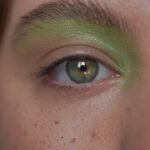




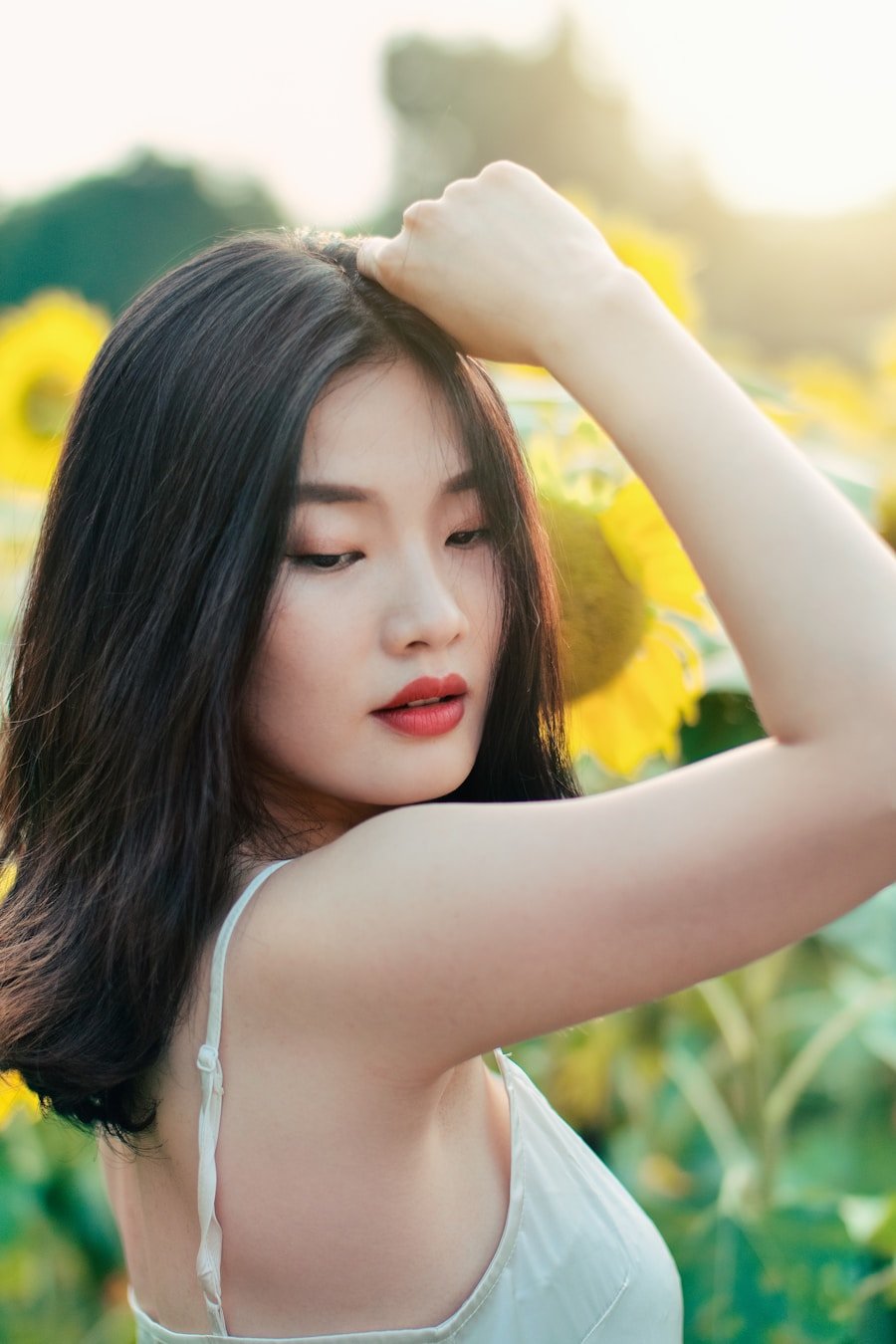
Aegyo-sal, a term that translates to “cute fat,” refers to the small, puffy bags of fat that sit just beneath the lower eyelids. This feature has evolved from a mere trend into a widely accepted beauty standard in South Korea. Initially popularized in the early 2000s, aegyo-sal was embraced by celebrities and influencers who showcased this youthful trait as a symbol of innocence and charm.
The trend gained momentum through various media channels, particularly K-dramas and variety shows, where stars like Song Hye-kyo and Kim Tae-hee flaunted their aegyo-sal, leading fans to emulate their looks. The appeal of aegyo-sal lies in its ability to create a more youthful appearance, making individuals look more approachable and friendly. As the years progressed, aegyo-sal transitioned from a fleeting trend into a staple of Korean beauty ideals.
Cosmetic procedures began to emerge, with many opting for surgical enhancements to achieve this coveted look. The rise of social media platforms further fueled this phenomenon, as beauty influencers and makeup artists shared tutorials and tips on how to create the illusion of aegyo-sal using makeup techniques.
The cultural significance of this feature has grown so profound that it is now considered an essential aspect of beauty in South Korea, influencing everything from makeup products to skincare routines.
Refining the Look
This new trend often involves the use of makeup techniques that enhance the eyes while maintaining a soft and youthful appearance. The goal is to create a delicate balance between looking fresh and polished without appearing overly made-up.
Strategic Makeup Application
One of the key differences in aegyo-sal 2.0 is the incorporation of various makeup products designed specifically for this purpose. Highlighters, concealers, and eyeshadows are strategically applied to accentuate the under-eye area, creating depth and dimension. Additionally, the use of lighter shades on the lower eyelids helps to brighten the eyes, making them appear larger and more expressive.
A Versatile and Customizable Look
This modern approach allows individuals to customize their look according to their unique facial features while still adhering to the overarching aesthetic of aegyo-sal. The result is a more versatile interpretation that appeals to a broader audience, transcending age and personal style.
Key Takeaways
- Aegyo-Sal has evolved from a trend to a beauty standard in Korean beauty.
- Aegyo-Sal 2.0 sets itself apart with new techniques and a more natural look.
- Aegyo-Sal holds cultural significance in Korean beauty, representing youthfulness and cuteness.
- Achieving Aegyo-Sal 2.0 involves using makeup techniques to enhance the under-eye area.
- Aegyo-Sal 2.0 has influenced popular culture, particularly in K-Pop and K-Drama.
The Cultural Significance of Aegyo-Sal in Korean Beauty
The cultural significance of aegyo-sal in Korean beauty cannot be overstated. In South Korea, beauty standards are heavily influenced by societal perceptions of youthfulness and cuteness. Aegyo-sal embodies these ideals, as it is often associated with innocence and playfulness.
This feature has become a symbol of attractiveness, with many believing that having pronounced aegyo-sal can enhance one’s overall appeal. The cultural narrative surrounding aegyo-sal is deeply rooted in the notion that looking youthful equates to being more desirable in both personal and professional contexts. Moreover, aegyo-sal has become intertwined with the concept of “aegyo,” which refers to a display of cute behavior or mannerisms.
This cultural phenomenon extends beyond physical appearance; it encompasses personality traits that are perceived as endearing or charming. As such, individuals with prominent aegyo-sal are often viewed as more approachable and likable. This perception has led to an increase in cosmetic procedures aimed at enhancing this feature, further solidifying its status as a beauty standard.
The societal pressure to conform to these ideals can be significant, influencing everything from self-esteem to social interactions.
Achieving the aegyo-sal 2.0 look requires a combination of makeup techniques and skincare practices that focus on enhancing the under-eye area. One effective method is to start with a well-prepped canvas by ensuring that the skin is hydrated and free from dark circles or puffiness. Using an eye cream that contains ingredients like caffeine or hyaluronic acid can help reduce swelling and improve skin texture, creating an ideal base for makeup application.
Once the skin is prepped, the next step involves using concealer strategically. A lightweight concealer that matches your skin tone should be applied just above the lower lash line and blended gently to create a seamless transition between the skin and the product. To further enhance the aegyo-sal effect, a highlighter can be applied to the inner corners of the eyes and along the lower lash line.
This technique not only brightens the eyes but also adds dimension, making them appear larger and more expressive. Additionally, using a soft eyeshadow in light shades can help create depth without overwhelming the natural features.
0 is particularly evident in K-pop and K-drama culture, where idols and actors often set trends that resonate with fans both domestically and internationally. Many K-pop idols have embraced this eye trend, showcasing their aegyo-sal in music videos, performances, and promotional activities. Groups like TWICE and BTS have popularized this look among their fanbase, leading to an increase in makeup tutorials focused on achieving similar results.
In K-dramas, characters with pronounced aegyo-sal are often portrayed as youthful and charming, reinforcing the cultural narrative surrounding this beauty standard. Popular dramas such as “Goblin” and “What’s Wrong with Secretary Kim” feature lead actresses who embody this aesthetic, further solidifying its place in contemporary Korean media. The portrayal of aegyo-sal in these narratives not only influences viewers’ perceptions of beauty but also encourages them to adopt similar looks in their daily lives.
The Influence of Social Media
Influencers from around the world have started experimenting with makeup techniques that accentuate aegyo-sal, sharing their results with their followers who are eager to replicate the look. This has led to a surge in the demand for products specifically designed to achieve aegyo-sal 2.0.
The Rise of K-Beauty
The global fascination with K-beauty has resulted in an increase in demand for products that cater to this trend. Brands have started developing makeup lines that offer specialized products such as highlighters, concealers, and eyeshadow palettes aimed at enhancing the under-eye area.
A Lasting Impact on Global Beauty Culture
As more individuals embrace this aesthetic, it becomes clear that aegyo-sal 2.0 is not just a fleeting trend but rather a significant aspect of global beauty culture. Its influence is expected to continue shaping the beauty industry in the years to come.
The rise of aegyo-sal 2.0 has sparked discussions surrounding natural versus enhanced beauty features within the context of contemporary beauty standards. While some individuals advocate for embracing natural aesthetics, others argue that cosmetic enhancements can empower individuals to feel more confident in their appearance. This debate often centers around societal pressures to conform to specific beauty ideals, particularly those perpetuated by media representations.
Critics of enhanced features argue that they can contribute to unrealistic beauty standards that may lead individuals to feel inadequate if they do not meet these ideals naturally. Conversely, proponents assert that cosmetic enhancements can serve as tools for self-expression and confidence-building. In the case of aegyo-sal 2.0, individuals may choose to enhance their appearance through makeup or cosmetic procedures as a means of aligning with cultural beauty standards while still maintaining their unique identities.
The Future of Aegyo-Sal: What’s Next for Korean Beauty Trends
Looking ahead, it is clear that aegyo-sal will continue to play a significant role in shaping Korean beauty trends as well as influencing global perceptions of beauty. As technology advances and new cosmetic innovations emerge, we may see even more refined techniques for achieving this look without compromising individuality or authenticity. The ongoing dialogue surrounding natural versus enhanced features will likely persist, prompting further exploration into what constitutes beauty in contemporary society.
Moreover, as cultural exchanges continue to flourish through globalization, we can expect variations of aegyo-sal 2.0 to emerge across different cultures, each adapting the concept to fit their unique aesthetic values. This evolution will not only enrich global beauty standards but also foster greater appreciation for diverse interpretations of attractiveness. Ultimately, the future of aegyo-sal will be shaped by an interplay between tradition and innovation, reflecting broader societal shifts in how we perceive beauty itself.