






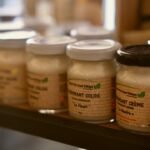


In recent years, the beauty industry has witnessed a significant shift towards non-toxic beauty products, driven by a growing consumer awareness of the potential dangers associated with synthetic chemicals. This movement has been fueled by a plethora of studies linking certain ingredients commonly found in cosmetics to health issues, including hormonal disruptions, skin irritations, and even long-term diseases. As consumers become more educated about what they apply to their skin, they are increasingly seeking out products that prioritize safety and sustainability.
This demand has led to a surge in brands that focus on clean formulations, which are free from harmful chemicals and toxins. The rise of social media has played a pivotal role in this transformation. Influencers and beauty enthusiasts have taken to platforms like Instagram and TikTok to share their experiences with non-toxic products, creating a community that values transparency and ethical practices.
This grassroots movement has encouraged brands to reformulate their products, often replacing traditional ingredients with safer alternatives. As a result, the market for non-toxic beauty products is not only expanding but also diversifying, with options available for every skin type and concern. The emphasis on health and wellness has become a defining characteristic of modern beauty culture, making non-toxic products a staple in many consumers’ routines.
Key Takeaways
- Non-toxic beauty products are on the rise, driven by consumer demand for safer and more sustainable options.
- Clean beauty formulations prioritize natural and non-toxic ingredients, avoiding harmful chemicals commonly found in traditional beauty products.
- Natural ingredients like botanical extracts, essential oils, and plant-based alternatives are key components of clean beauty products.
- Innovations in non-toxic preservatives are allowing clean beauty products to maintain shelf stability without compromising safety.
- Sustainable packaging plays a crucial role in clean beauty, with brands focusing on eco-friendly materials and reducing waste.
Understanding Clean Beauty Formulations
Clean beauty formulations are characterized by their commitment to using safe, non-toxic ingredients while avoiding harmful substances such as parabens, sulfates, phthalates, and synthetic fragrances. However, the term “clean” can be somewhat nebulous, as there is no universally accepted definition. Different brands may interpret clean beauty in various ways, leading to confusion among consumers.
To navigate this landscape, it is essential to understand the principles that underpin clean beauty formulations. At its core, clean beauty emphasizes ingredient transparency and ethical sourcing. Brands that adhere to clean beauty standards often provide detailed information about their ingredient lists, allowing consumers to make informed choices.
This transparency extends beyond just avoiding harmful chemicals; it also includes a commitment to sustainability and environmental responsibility. Many clean beauty brands prioritize natural and organic ingredients sourced from renewable resources, ensuring that their products are not only safe for consumers but also for the planet. This holistic approach to beauty is reshaping consumer expectations and pushing the industry towards greater accountability.
Natural Ingredients in Clean Beauty Products
Natural ingredients play a crucial role in clean beauty products, serving as effective alternatives to synthetic chemicals. Ingredients such as plant extracts, essential oils, and botanical oils are often favored for their nourishing properties and minimal risk of irritation. For instance, aloe vera is widely recognized for its soothing and hydrating qualities, making it a popular choice in moisturizers and serums.
Similarly, jojoba oil mimics the skin’s natural sebum, providing hydration without clogging pores. Moreover, the use of natural ingredients is not merely a trend; it is supported by scientific research that highlights their efficacy. For example, studies have shown that antioxidants derived from natural sources like green tea can protect the skin from environmental stressors and premature aging.
Additionally, many natural ingredients possess anti-inflammatory properties that can help calm irritated skin. As consumers become more aware of these benefits, they are increasingly drawn to products that harness the power of nature rather than relying on synthetic alternatives.
Innovations in Non-Toxic Preservatives
One of the challenges faced by brands in the clean beauty space is the need for effective preservatives that do not compromise product safety. Traditional preservatives like parabens have come under scrutiny for their potential health risks, prompting the search for non-toxic alternatives. Recent innovations in this area have led to the development of natural preservatives derived from plant sources, which can effectively inhibit microbial growth without posing risks to consumers.
For instance, ingredients such as radish root ferment filtrate and rosemary extract have gained popularity as natural preservatives due to their antimicrobial properties. These alternatives not only extend the shelf life of products but also align with the clean beauty ethos by minimizing the use of synthetic chemicals. Additionally, advancements in formulation technology have allowed brands to create products with lower water content, reducing the need for preservatives altogether.
This innovation not only enhances product safety but also contributes to a more sustainable approach by minimizing waste.
The Role of Sustainable Packaging in Clean Beauty
Sustainable packaging is an integral component of the clean beauty movement, reflecting a broader commitment to environmental responsibility. As consumers become more conscious of their ecological footprint, they are increasingly seeking brands that prioritize sustainable packaging solutions. This shift has prompted many companies to explore innovative materials and designs that reduce waste and promote recyclability.
Biodegradable packaging made from materials like cornstarch or recycled paper is gaining traction as an eco-friendly alternative to traditional plastic containers. Additionally, brands are adopting refillable systems that encourage consumers to reuse packaging rather than discarding it after a single use. This not only reduces waste but also fosters a sense of community among consumers who are passionate about sustainability.
By integrating sustainable packaging into their business models, clean beauty brands are not only appealing to environmentally conscious consumers but also setting new standards for the industry as a whole.
Clean Beauty Standards and Certifications
As the clean beauty movement continues to grow, various organizations have emerged to establish standards and certifications that help consumers identify truly clean products. These certifications serve as a guiding framework for brands looking to align with clean beauty principles while providing consumers with assurance regarding product safety and efficacy. One prominent certification is the “ECOCERT” label, which verifies that products meet strict criteria for organic and natural ingredients.
Similarly, the “Leaping Bunny” certification ensures that products are cruelty-free and not tested on animals. These certifications not only enhance consumer trust but also encourage brands to adopt more ethical practices throughout their supply chains. As awareness of these standards increases, consumers are better equipped to make informed choices about the products they purchase.
Advancements in Non-Toxic Skincare Formulations
The skincare sector has been at the forefront of the non-toxic beauty revolution, with brands continuously innovating to create effective formulations that prioritize safety without sacrificing performance. Advances in biotechnology have enabled formulators to harness the power of nature while ensuring product stability and efficacy. For example, encapsulation technology allows active ingredients derived from natural sources to be delivered more effectively into the skin.
This technique enhances the bioavailability of beneficial compounds while minimizing potential irritation associated with direct application. Additionally, advancements in extraction methods have led to more potent formulations that maximize the benefits of natural ingredients. As a result, consumers can enjoy skincare products that not only align with their values but also deliver visible results.
Clean Beauty in the Makeup Industry
The makeup industry has also embraced the clean beauty movement, with many brands reformulating their products to eliminate harmful chemicals while maintaining high performance standards. Consumers are increasingly seeking makeup options that are free from toxic ingredients like talc and synthetic dyes, leading to a surge in demand for clean alternatives. Brands are now focusing on creating makeup products that offer long-lasting wear without compromising on safety.
For instance, foundations made with natural pigments derived from minerals provide coverage without clogging pores or causing breakouts. Additionally, many clean makeup brands prioritize skin-nourishing ingredients such as hyaluronic acid or plant-based oils that enhance hydration while providing coverage. This shift towards clean formulations is reshaping consumer expectations in the makeup industry and encouraging brands to innovate responsibly.
Non-Toxic Haircare Formulations
The haircare sector is experiencing its own transformation as consumers seek non-toxic alternatives to traditional shampoos and conditioners laden with harsh chemicals. Ingredients like sulfates and silicones have come under scrutiny for their potential negative effects on hair health and overall well-being. In response, many brands are developing haircare lines that prioritize gentle cleansing and nourishing formulations.
Natural ingredients such as coconut oil and argan oil have become staples in non-toxic haircare products due to their moisturizing properties and ability to promote healthy hair growth. Additionally, botanical extracts like chamomile and hibiscus are being incorporated for their soothing effects on the scalp and hair follicles. As awareness of these benefits grows, consumers are increasingly turning to non-toxic haircare options that align with their values while delivering effective results.
The Future of Clean Beauty: Technology and Research
Looking ahead, the future of clean beauty is poised for further innovation driven by advancements in technology and ongoing research into safe ingredients. The integration of artificial intelligence (AI) in product development is enabling brands to analyze consumer preferences more effectively and tailor formulations accordingly. This data-driven approach allows for the creation of personalized skincare solutions that cater to individual needs while adhering to clean beauty principles.
Moreover, ongoing research into plant-based ingredients continues to uncover new possibilities for effective formulations. Scientists are exploring the potential of lesser-known botanicals with unique properties that can enhance product performance while remaining safe for consumers. As technology evolves and research expands our understanding of natural ingredients, the clean beauty movement will likely continue to thrive and evolve.
Consumer Education and Awareness in Clean Beauty Trends
Consumer education plays a vital role in the success of the clean beauty movement. As awareness grows regarding the potential risks associated with conventional beauty products, consumers are becoming more discerning about their choices. Brands that prioritize transparency and provide educational resources about their formulations are better positioned to build trust with their audience.
Social media platforms serve as powerful tools for spreading awareness about clean beauty trends and educating consumers about ingredient safety. Influencers often share insights into their personal experiences with non-toxic products, helping demystify complex ingredient lists and encouraging followers to make informed decisions. As consumer education continues to evolve alongside the clean beauty movement, it will empower individuals to advocate for safer products while holding brands accountable for their practices.
The rise of non-toxic beauty products marks a significant shift in consumer preferences towards safer and more sustainable options within the beauty industry. With an emphasis on transparency, innovation in formulations, and a commitment to ethical practices, clean beauty is reshaping how we approach personal care while prioritizing both health and environmental responsibility.