




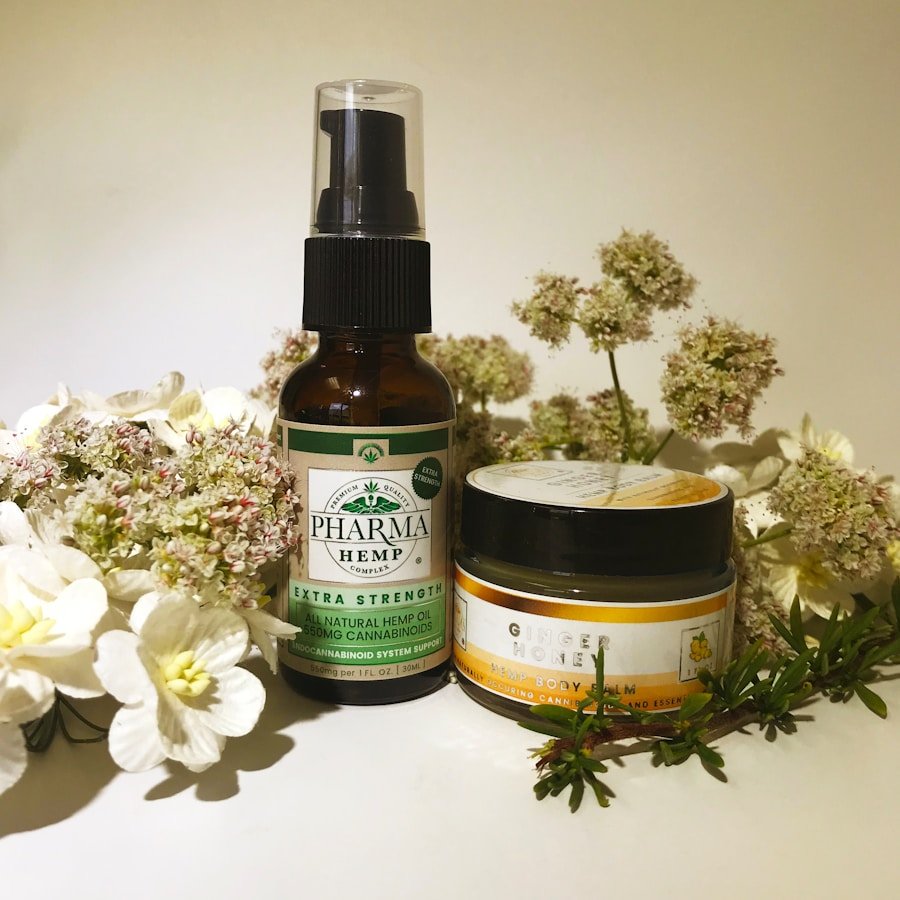
The use of herbal extracts in skincare has deep roots in Asian cultures, tracing back thousands of years. Ancient texts from China, India, and Japan reveal that herbal remedies were integral to beauty rituals and health practices. In Traditional Chinese Medicine (TCM), for instance, the concept of balance and harmony extends beyond physical health to encompass skin health.
Herbs such as ginseng, licorice root, and goji berries were not only consumed for their health benefits but also applied topically to enhance skin vitality. Similarly, Ayurveda, the ancient Indian system of medicine, emphasizes the use of natural ingredients derived from plants to promote beauty and wellness. Ingredients like turmeric, neem, and sandalwood have been utilized for their anti-inflammatory and antibacterial properties, showcasing a holistic approach to skincare.
The historical significance of these practices is further underscored by the meticulous methods of preparation and application that have been passed down through generations. In Japan, the art of using rice bran as a natural exfoliant and moisturizer has been celebrated for centuries. The geishas, known for their flawless skin, relied on this simple yet effective ingredient as part of their beauty regimen.
This historical context highlights not only the cultural importance of herbal extracts but also their enduring efficacy, which has led to their continued relevance in contemporary skincare.
Key Takeaways
- Herbal extracts have been used in Asian skincare for centuries, with a rich history of traditional use and benefits.
- Scientific research supports the efficacy of herbal extracts in skincare, showing their potential to improve skin health and appearance.
- Traditional Asian herbs like ginseng, green tea, and licorice have been found to have various skincare benefits, such as anti-inflammatory and antioxidant properties.
- Modern skincare products are increasingly incorporating herbal extracts due to their natural and effective skincare benefits.
- Asian beauty brands are leading the way in utilizing herbal extracts in their products, driving the rise of herbal extracts in skincare trends.
The Science Behind Herbal Extracts in Skincare
The efficacy of herbal extracts in skincare is supported by a growing body of scientific research that validates traditional knowledge. Phytochemicals, the bioactive compounds found in plants, are responsible for the therapeutic properties attributed to various herbs. For example, flavonoids and polyphenols are known for their antioxidant properties, which help combat oxidative stress and prevent premature aging.
Studies have shown that these compounds can neutralize free radicals, thereby protecting skin cells from damage caused by environmental factors such as UV radiation and pollution. Moreover, the anti-inflammatory properties of many herbal extracts play a crucial role in skincare. Ingredients like chamomile and calendula have been shown to soothe irritated skin and reduce redness, making them ideal for sensitive skin types.
The science behind these effects lies in the ability of certain compounds to inhibit inflammatory pathways in the body. For instance, curcumin, the active ingredient in turmeric, has been extensively studied for its ability to modulate inflammatory responses, providing a scientific basis for its use in treating conditions like acne and eczema.
Traditional Asian Herbs and Their Skincare Benefits
A plethora of traditional Asian herbs have garnered attention for their remarkable skincare benefits. Ginseng, often referred to as the “root of life,” is celebrated for its ability to boost circulation and enhance skin radiance. Rich in saponins, ginseng promotes collagen production, which is essential for maintaining skin elasticity and firmness.
Its adaptogenic properties also help the skin cope with stressors, making it a popular ingredient in anti-aging formulations. Another noteworthy herb is licorice root, which has been used for centuries to brighten skin tone and reduce hyperpigmentation. The active compound glabridin inhibits the enzyme tyrosinase, which is responsible for melanin production.
Additionally, its soothing properties make it beneficial for calming irritated skin and reducing redness. In addition to ginseng and licorice root, green tea has gained recognition for its potent antioxidant properties.
Rich in catechins, green tea extract helps protect the skin from UV damage while also providing anti-inflammatory benefits. Its ability to reduce sebum production makes it particularly advantageous for those with oily or acne-prone skin. The combination of these traditional herbs illustrates the diverse range of benefits that can be harnessed from nature.
Incorporating Herbal Extracts into Modern Skincare Products
The integration of herbal extracts into modern skincare products has revolutionized the beauty industry, allowing consumers to benefit from ancient wisdom while enjoying contemporary formulations. Many brands are now focusing on clean beauty principles, emphasizing transparency in ingredient sourcing and formulation processes. This shift has led to an increased demand for products that feature herbal extracts as key ingredients.
Formulators are increasingly blending traditional herbs with advanced technology to enhance their efficacy. For instance, herbal extracts can be combined with delivery systems such as liposomes or nanotechnology to improve absorption into the skin. This innovative approach ensures that the beneficial compounds are effectively delivered where they are needed most.
Additionally, brands are exploring sustainable sourcing practices to ensure that the herbs used in their products are harvested responsibly, further aligning with consumer values. The rise of hybrid products that combine skincare with makeup has also opened new avenues for incorporating herbal extracts. BB creams and tinted moisturizers infused with herbal ingredients not only provide coverage but also deliver skincare benefits throughout the day.
This trend reflects a growing consumer preference for multifunctional products that simplify beauty routines while promoting healthy skin.
The Rise of Herbal Extracts in Asian Beauty Brands
In recent years, there has been a notable resurgence of interest in herbal extracts among Asian beauty brands. This trend is driven by a combination of cultural pride and a desire for authenticity in skincare formulations. Brands such as Sulwhasoo and Innisfree have successfully positioned themselves as leaders in this space by highlighting their use of traditional herbs sourced from specific regions known for their unique properties.
Sulwhasoo, a luxury Korean skincare brand, draws heavily on the principles of TCM and incorporates ingredients like ginseng and jade into its formulations. The brand’s commitment to using time-honored techniques alongside modern science resonates with consumers seeking holistic solutions for their skincare needs. Similarly, Innisfree emphasizes its use of Jeju Island botanicals, showcasing the island’s rich biodiversity and commitment to sustainability.
This resurgence is not limited to established brands; new entrants are also emerging with a focus on herbal extracts. Startups are leveraging social media platforms to educate consumers about the benefits of traditional herbs while creating innovative products that cater to modern skincare concerns. This dynamic landscape reflects a broader movement towards embracing natural ingredients and celebrating cultural heritage within the beauty industry.
The Impact of Herbal Extracts on Skincare Trends
The growing popularity of herbal extracts has significantly influenced skincare trends across the globe. As consumers become more conscious of ingredient transparency and sustainability, there is a marked shift towards products that prioritize natural components over synthetic alternatives. This trend is evident in the rise of “clean beauty” brands that emphasize herbal extracts as key ingredients while avoiding harmful chemicals.
Moreover, the demand for personalized skincare solutions has led to an increased interest in herbal extracts known for their specific benefits. Consumers are now more inclined to seek out products tailored to their unique skin concerns—whether it be acne, dryness, or signs of aging—leading brands to develop targeted formulations featuring potent herbal ingredients. This shift towards customization reflects a broader understanding that skincare is not one-size-fits-all; rather, it requires a nuanced approach that considers individual needs.
Additionally, social media platforms have played a pivotal role in amplifying the visibility of herbal extracts within skincare trends. Influencers and beauty enthusiasts often share their experiences with products containing traditional herbs, creating a ripple effect that encourages others to explore these options. As a result, brands are increasingly leveraging user-generated content to showcase the effectiveness of their herbal-infused products.
How to Incorporate Herbal Extracts into Your Skincare Routine
Incorporating herbal extracts into your skincare routine can be both enjoyable and beneficial for your skin’s health. One effective way to start is by selecting products that feature herbal extracts prominently on their ingredient lists. Look for serums, moisturizers, or masks that highlight specific herbs known for their properties—such as green tea for its antioxidant benefits or licorice root for brightening effects.
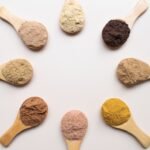
Another approach is to create DIY skincare treatments using herbal ingredients readily available at home or through specialty stores. For instance, you can make a soothing face mask using turmeric powder mixed with yogurt or honey to harness its anti-inflammatory properties while providing hydration. Similarly, infusing oils with herbs like chamomile or calendula can create nourishing facial oils that soothe irritated skin.
It’s also essential to pay attention to how your skin responds to these herbal extracts over time. Conduct patch tests when trying new products or DIY treatments to ensure compatibility with your skin type. Gradually introduce new ingredients into your routine while monitoring any changes or reactions.
This mindful approach allows you to tailor your regimen based on your skin’s unique needs while maximizing the benefits of herbal extracts.
The Future of Herbal Extracts in Modern Asian Skincare
The future of herbal extracts in modern Asian skincare appears promising as consumers continue to seek out natural solutions that align with their values and preferences. As awareness grows regarding the environmental impact of synthetic ingredients and the importance of sustainability, brands are likely to invest more in sourcing high-quality herbal ingredients responsibly. Furthermore, advancements in technology will likely enhance our understanding of how these herbal extracts interact with skin biology at a molecular level.
Research into plant-based compounds will continue to uncover new benefits and applications within skincare formulations. This scientific exploration will not only validate traditional practices but also pave the way for innovative products that harness the full potential of nature. As globalization continues to influence beauty standards and practices worldwide, we can expect an increased exchange of knowledge between cultures regarding herbal remedies and skincare techniques.
This cross-pollination will enrich the beauty landscape by introducing diverse perspectives on how best to utilize nature’s bounty for healthy skin. In conclusion, the journey of herbal extracts from ancient traditions to modern formulations exemplifies a harmonious blend of history and innovation within Asian skincare. As consumers become more discerning about their choices, the enduring appeal of these natural ingredients will undoubtedly shape the future of beauty rituals across cultures.