






The skin barrier, often referred to as the stratum corneum, functions as a protective shield for the body. It is composed of flattened, dead skin cells, known as corneocytes, embedded in a lipid matrix of ceramides, cholesterol, and fatty acids. This structure is crucial for retaining moisture within the skin and preventing the penetration of external irritants and pathogens. A compromised skin barrier can lead to a range of dermatological issues, including dryness, sensitivity, redness, and increased susceptibility to infections. Understanding how to identify and repair a damaged moisture barrier is therefore essential for maintaining healthy skin.
The Structure of the Stratum Corneum
The outermost layer of the epidermis, the stratum corneum, is a meticulously organized structure. It resembles a brick wall, where the corneocytes are the bricks and the lipid matrix represents the mortar holding them together. This layered arrangement is not arbitrary; it serves specific functions. The corneocytes themselves are essentially bags filled with keratin, a tough protein that provides structural integrity. Within the lipid matrix, the ratio and composition of ceramides, cholesterol, and fatty acids are critical. For instance, ceramides are particularly important for their role in creating a watertight seal, preventing transepidermal water loss (TEWL). Cholesterol contributes to the fluidity and integrity of the lipid lamellae, while fatty acids help maintain the appropriate pH of the skin surface. The natural exfoliation process, known as desquamation, also plays a role. Regularly shed corneocytes are replaced by new cells emerging from the lower epidermal layers, ensuring a continuous renewal of this protective barrier.
Functions of a Healthy Skin Barrier
A healthy skin barrier performs several vital functions. Foremost among these is the regulation of hydration. It acts as a barrier against the evaporation of water from the deeper layers of the skin, thus maintaining optimal moisture levels. This internal hydration is critical for cellular function and the overall suppleness and flexibility of the skin. Secondly, the skin barrier serves as a defense mechanism against environmental assaults. It prevents the ingress of harmful microorganisms such as bacteria and viruses, as well as allergens and pollutants. The acidic nature of the skin’s surface, often referred to as the acid mantle, further contributes to this protective role by inhibiting the growth of pathogenic bacteria. Finally, a robust barrier contributes to a smooth and even skin texture, reflecting light effectively and presenting a healthy, radiant appearance.
Identifying a Damaged Skin Barrier
The signs and symptoms of a compromised skin barrier can manifest in various ways, and recognizing these is the first step toward effective repair. When the protective lipid matrix is disrupted, the skin loses its ability to retain moisture and defend itself.
Common Indicators of Barrier Impairment
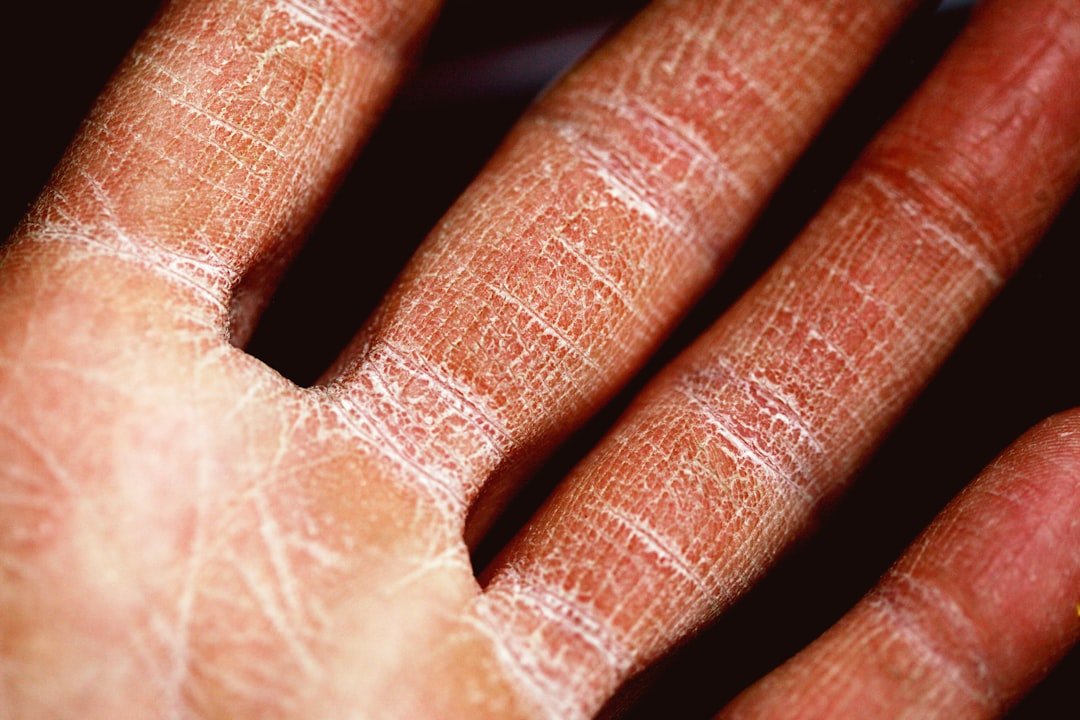
A frequently observed sign is increased dryness and flakiness. The skin may feel rough to the touch and appear dull. This is a direct consequence of excessive water loss. Coupled with dryness, you might notice increased sensitivity. Products that were previously well-tolerated can now cause stinging, burning, or itching. This heightened reactivity is because the nerve endings in the epidermis are more exposed and vulnerable. Redness and inflammation are also prevalent. The skin may exhibit a flushed appearance or localized patches of irritation, as the barrier’s ability to regulate inflammatory responses is weakened. You may also experience a taut or tight sensation, especially after cleansing, even if you don’t typically have dry skin. This feeling suggests that the skin’s elasticity is compromised due to dehydration.
Triggers of Barrier Damage
Several factors can contribute to the degradation of the skin barrier. Over-exfoliation, whether through harsh physical scrubs or excessive use of chemical exfoliants like alpha-hydroxy acids (AHAs) or beta-hydroxy acids (BHAs), can strip away the natural lipids and damage the corneocyte structure. Aggressive cleansing practices, such as using hot water or stripping soaps, also play a significant role. Environmental factors are another critical area. Prolonged exposure to dry air, extreme temperatures (both hot and cold), and high winds can deplete the skin’s moisture reserves and disrupt its lipid structure. Certain skincare ingredients, particularly those with high alcohol content or strong fragrances, can also be sensitizing and contribute to barrier damage over time. Moreover, underlying skin conditions like eczema, rosacea, and psoriasis often involve inherent barrier defects that can be exacerbated by various triggers. Age also plays a role, as the natural production of lipids and cell turnover tend to decrease with time.
The Process of Skin Barrier Repair
Repairing a damaged skin barrier involves a multi-faceted approach focused on restoring its structural integrity and functionality. The primary goal is to replenish lost lipids and support the skin’s natural regenerative processes.
Reintroducing Essential Lipids
The cornerstone of barrier repair is the reintroduction of the key lipids that form the skin’s natural mortar. Ceramides are paramount, as they comprise approximately 50% of the stratum corneum’s lipid content. Products formulated with ceramide-rich ingredients work to fill the gaps in the lipid barrier, effectively sealing in moisture. Cholesterol and fatty acids are also crucial components that should be present in repairing formulations. These lipids work synergistically with ceramides to create a robust and cohesive barrier. Look for ingredients like linoleic acid, oleic acid, and stearic acid, which are common fatty acids found in healthy skin. The delivery system of these lipids also matters; ingredients encapsulated in liposomes or other delivery technologies can enhance their penetration and efficacy. Think of it like patching holes in a leaky roof; you need the right materials to mend the gaps and prevent further water ingress.
Soothing and Anti-Inflammatory Support
When the skin barrier is compromised, it often becomes inflamed. Therefore, incorporating soothing and anti-inflammatory ingredients is essential to calm the skin and reduce irritation. Ingredients such as niacinamide (Vitamin B3) are highly beneficial. Niacinamide has been shown to improve skin barrier function, reduce redness, and increase ceramide production. Centella Asiatica (cica), often found in K-beauty products, is another excellent choice. It possesses potent anti-inflammatory and wound-healing properties that can accelerate barrier recovery. Other soothing agents include allantoin, bisabolol (derived from chamomile), and green tea extract. These ingredients help to mitigate the discomfort associated with a damaged barrier, creating a more favorable environment for repair. Reducing inflammation is like dampening the embers of a fire; it stops the spread and allows the underlying structure to begin to mend.
Gentle Hydration and Occlusion
Adequate hydration is non-negotiable during barrier repair. However, the type of hydration matters. Opt for humectants like hyaluronic acid and glycerin, which draw moisture from the environment and deeper skin layers. These ingredients act like sponges, plumping the skin with hydration. Following humectants with emollients and occlusives helps to lock in this moisture. Emollients, such as shea butter or squalane, smooth the skin’s surface and improve its flexibility. Occlusives, like petrolatum or dimethicone, create a physical barrier on the skin’s surface, significantly reducing transepidermal water loss. This is like putting a protective blanket over the mended roof to ensure the repairs are shielded from the elements. However, it’s important to use occlusives judiciously. Over-reliance can lead to pore congestion for some individuals.
Skincare Routine Adjustments for Barrier Repair
Modifying your current skincare routine is often the most impactful step in repairing a compromised skin barrier. This involves simplifying your regimen and prioritizing gentle, restorative products.
Cleansing Practices
The way you cleanse your skin can be a major culprit in barrier damage. Harsh surfactants, hot water, and vigorous scrubbing can strip away vital lipids. For barrier repair, switch to a gentle, low-pH cleanser. Creamy, hydrating cleansers or micellar waters formulated for sensitive skin are excellent options. Avoid foaming cleansers that contain strong detergents like sodium lauryl sulfate (SLS). When cleansing, use lukewarm water, never hot. Pat your skin dry with a clean, soft towel instead of rubbing. The goal is to remove impurities without disrupting the delicate lipid layer. Think of cleansing as carefully removing dirt from a fragile artwork; a gentle touch is paramount.
Ingredient Sensitivities and Avoidances
During the repair phase, it is crucial to identify and eliminate ingredients that may be irritating your skin. This often means pausing the use of active ingredients that can be potent, such as retinoids, strong exfoliants (AHAs, BHAs), and high concentrations of vitamin C. Fragrances and essential oils, while pleasant, can also be common irritants for sensitive skin. Alcohol-based toners and astringents should also be avoided. Carefully read product labels and be aware of ingredients that have previously caused a reaction. Consider adopting a minimalistic routine with only essential, beneficial ingredients until your barrier has healed. Introducing potential irritants is like adding unexpected rocks to a delicate structure; it can destabilize the progress.
The Importance of Serums and Moisturizers
When selecting serums and moisturizers for a damaged barrier, focus on formulations that are specifically designed for repair and sensitivity. Look for products labeled as “barrier repair,” “hydrating,” or “for sensitive skin.” Key ingredients to seek out include ceramides, hyaluronic acid, glycerin, niacinamide, and squalane. Serums with reparative properties can deliver concentrated doses of beneficial ingredients. Moisturizers should be rich enough to provide emollients and occlusives to seal in hydration. Avoid products with complex formulations containing multiple potential irritants. A straightforward, science-backed approach to your moisturizing routine will yield the best results.
Long-Term Barrier Health and Prevention
| Metric | Description | Recommended Value/Range | Notes |
|---|---|---|---|
| Skin pH Level | Acidity level of the skin surface | 4.5 – 5.5 | Maintaining this range supports barrier function and prevents bacterial growth |
| Transepidermal Water Loss (TEWL) | Amount of water that evaporates through the skin | 5 – 15 g/m²/h | Lower TEWL indicates a healthier moisture barrier |
| Skin Hydration Level | Water content in the stratum corneum | 30% – 50% | Higher hydration improves skin elasticity and barrier repair |
| Ceramide Concentration | Amount of ceramides in the skin lipids | Optimal levels vary; aim to replenish with skincare | Ceramides are essential for barrier repair and moisture retention |
| Frequency of Moisturizer Application | How often moisturizer is applied daily | 2 – 3 times per day | Consistent application helps restore and maintain barrier function |
| Use of Harsh Cleansers | Frequency of using soaps or cleansers with high pH or sulfates | Minimize or avoid | Harsh cleansers strip natural oils and damage the moisture barrier |
| Exposure to Environmental Stressors | Contact with UV, pollution, wind, and dry air | Limit exposure and use protective measures | Environmental factors accelerate barrier damage and dehydration |
Once your skin barrier has been repaired, maintaining its health is an ongoing commitment. This involves adopting consistent habits and being mindful of potential stressors.
Gradual Reintroduction of Actives
After your skin barrier has recovered, you can consider reintroducing active ingredients, but do so cautiously. Start with lower concentrations and less frequent application. For example, if you were using a potent retinoid daily, transition to a lower-strength formulation a few times a week. Pay close attention to your skin’s response. If you experience any signs of irritation, scale back. The goal is to reap the benefits of these powerful ingredients without compromising your newly healed barrier. This gradual reintroduction is akin to slowly increasing the weight when strength training; you build up gradually to avoid injury.
Environmental Protection Strategies
Protecting your skin from environmental stressors is crucial for long-term barrier health. Sunscreen is a non-negotiable daily staple. UV radiation can damage skin cells and impair barrier function. Use a broad-spectrum sunscreen with an SPF of 30 or higher. On particularly cold or windy days, consider wearing a scarf or other protective clothing to shield your face. In very dry indoor environments, a humidifier can help maintain optimal moisture levels in the air, benefiting your skin. Awareness of your surroundings and proactive protection will significantly contribute to a resilient skin barrier.
Lifestyle Factors and Stress Management
Your overall health and lifestyle choices profoundly impact your skin. Chronic stress can disrupt hormonal balance and inflammatory pathways, which can, in turn, negatively affect your skin barrier. Ensuring adequate sleep, maintaining a balanced diet rich in antioxidants and healthy fats, and engaging in regular physical activity can all contribute to healthier skin. Hydration goes beyond topical application; drinking enough water throughout the day supports your skin’s internal hydration levels. Recognizing that your skin is a reflection of your internal state is key to comprehensive skin health.