






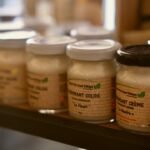

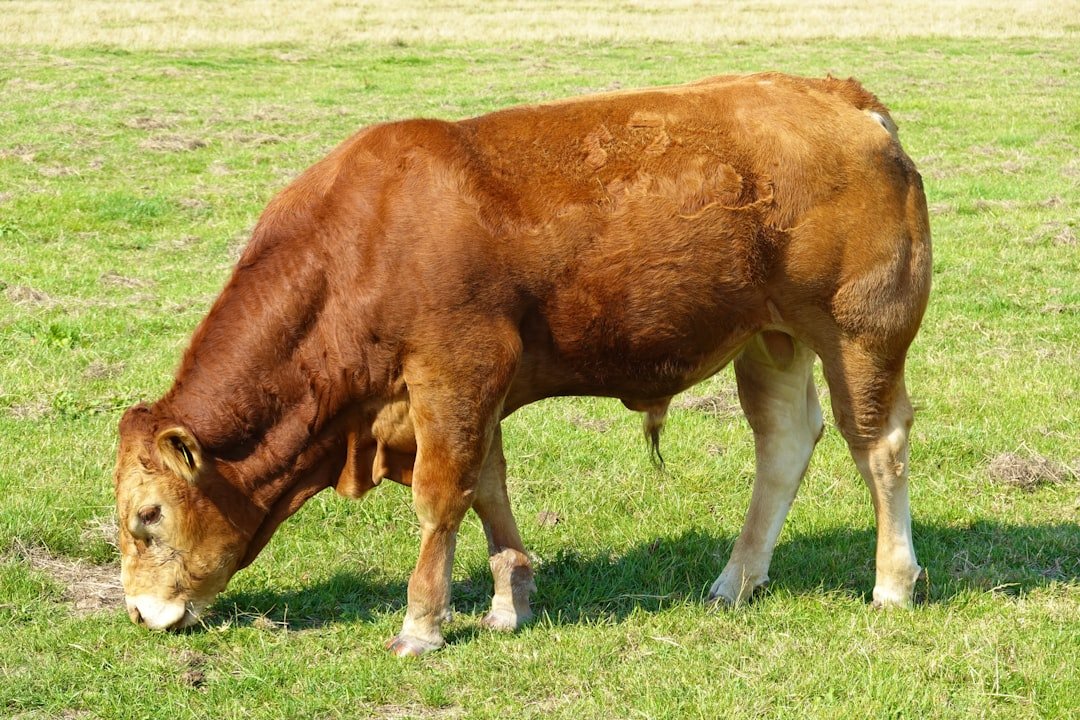
The resurgent interest in beef tallow, once a culinary staple, reflects a broader shift towards traditional foodways and natural product consumption. This article explores the various factors contributing to its increasing prominence in 2026, from perceived health benefits to sustainable practices, and its applications beyond the kitchen.
Beef tallow, rendered fat from cattle, has a long history of human use, dating back thousands of years. Before the 20th century, it was a primary cooking fat, valued for its high smoke point and long shelf life. Its widespread use was pervasive across cultures, utilized in frying, baking, and even soap making. This era predates the industrialization of food production and the subsequent rise of highly processed oils. For centuries, the rendering of animal fats was a common household practice, an essential component of subsistence living and culinary tradition.
Industrial Revolution and the Rise of Seed Oils
The late 19th and early 20th centuries marked a turning point. The advent of the industrial revolution brought about new methods of food production. This period saw the development of commercially viable processes for extracting oils from seeds like cottonseed, soybeans, and corn. These oils, initially cheaper to produce and market, began to compete with traditional animal fats. The nascent food industry capitalized on their versatility and, crucially, their ability to be heavily processed and refined. This processing often involved techniques such as hydrogenation, which extended shelf life at the cost of nutritional integrity, producing trans fats.
Health Narratives and Misconceptions
The mid-20th century saw the emergence of a powerful narrative linking saturated fats, including those found in beef tallow, to cardiovascular disease. This narrative, often fueled by incomplete or later-discredited scientific findings, contributed significantly to a widespread public health campaign against animal fats. Organizations and government bodies issued dietary guidelines advocating for the reduction of saturated fat intake. This advice, while well-intentioned, often contributed to a demonization of traditional fats without sufficient nuance regarding different types of fats and their overall dietary context. Public perception shifted, viewing animal fats as unhealthy and modern seed oils as superior alternatives. Food manufacturers responded by substituting tallow with vegetable oils in a wide array of products, from snacks to processed meals. This historical period essentially cast tallow into a culinary shadow, where it remained for several decades.
Nutritional Profile and Perceived Health Benefits
Contemporary discussions surrounding beef tallow often center on its nutritional composition, which proponents argue offers advantages over many widely consumed processed vegetable oils. The current trend is driven in part by a re-evaluation of established dietary guidelines and an increased public interest in the nuanced aspects of macronutrient intake.
Fatty Acid Composition
Beef tallow is predominantly composed of saturated and monounsaturated fatty acids. Specifically, it typically contains approximately 45-50% saturated fat, 45-50% monounsaturated fat, and a small percentage of polyunsaturated fat. The primary saturated fatty acids present are palmitic acid and stearic acid. Stearic acid, in particular, has been the subject of research suggesting it may have a neutral or even beneficial effect on cholesterol levels, differing from the impact of other saturated fats. Oleic acid, a monounsaturated fatty acid also found abundantly in olive oil, constitutes a significant portion of tallow’s fat content. This balance of fatty acids, when compared to the high polyunsaturated fat content of some industrial seed oils (which are prone to oxidation), is often cited as a key factor in tallow’s appeal.
Micronutrients and Fat-Soluble Vitamins
Beyond its fatty acid profile, quality beef tallow, particularly from grass-fed animals, can contain fat-soluble vitamins. These include Vitamin A (in the form of retinol), Vitamin D, Vitamin K2, and Vitamin E. These vitamins play crucial roles in various bodily functions, including immune health, bone metabolism, and antioxidant protection. While the concentrations can vary, their presence in a natural food source is attractive to consumers seeking nutrient-dense foods. This contrasts with heavily refined seed oils, which often have their natural vitamin content stripped away during processing. The argument here is that tallow provides not just calories, but a package of beneficial micronutrients.
Stability and Oxidative Stress
A significant aspect of tallow’s renewed popularity revolves around its oxidative stability. Unlike polyunsaturated fats, which have multiple double bonds susceptible to rancidity when exposed to heat, light, or air, tallow’s high saturated and monounsaturated fat content makes it considerably more stable. When subjected to high temperatures during cooking (e.g., frying, roasting), unsaturated fats can oxidize, forming compounds that some research suggests may be detrimental to health. Tallow’s stability translates to a higher smoke point and a reduced likelihood of forming these potentially harmful byproducts. This makes it a preferred cooking fat for high-heat applications, a distinct advantage over many common vegetable oils. Consumers are increasingly aware of the concept of oxidative stress in the diet, making tallow a more attractive option for culinary practices that involve heat.
Culinary Revival and Versatility
The re-emergence of beef tallow in the kitchen is not merely a consequence of health narratives; it is also driven by its unique culinary attributes. Chefs, home cooks, and food enthusiasts are rediscovering its capacity to enhance flavor and texture.
Flavor Profile and Texture
Tallow imparts a distinct, rich, and savory flavor to dishes that is often described as “umami.” This characteristic is absent in most neutral-tasting vegetable oils. When used for frying, it can create a crispy exterior on foods, such as fried chicken or French fries, while preserving the interior’s moisture. This textural advantage extends to baking, where tallow can contribute to flakier crusts and richer pastries. Its solid consistency at room temperature also makes it a versatile ingredient, allowing for controlled application in various recipes. The flavor contribution is subtle but profound, acting as a background enhancer rather than an overpowering element.
High Smoke Point and Cooking Applications
One of beef tallow’s most practical advantages in the kitchen is its high smoke point, typically ranging from 400-420°F (200-215°C). This makes it suitable for high-heat cooking methods such as deep-frying, pan-searing, and roasting, where lower smoke point oils would degrade and potentially impart off-flavors or harmful compounds. The stability at high temperatures ensures that the integrity of the fat is maintained throughout the cooking process. For chefs, this translates to consistency and predictability in their preparations. For the home cook, it offers a reliable fat for achieving desired results without the concern of oil breakdown.
Restoration to Traditional and Modern Cuisines
Tallow’s return is being seen across various culinary spectrums. In traditional cuisine, it is being resurrected in recipes where it was historically a primary fat, such as in certain regional European dishes or early American cooking. Some restaurants, particularly those focused on nose-to-tail eating or farm-to-table initiatives, are actively promoting its use. Beyond tradition, some modern culinary innovators are experimenting with tallow in contemporary dishes, recognizing its unique flavor profile and textural contributions. It’s appearing in unexpected places, from gourmet burgers cooked in tallow to baked goods seeking a more complex flavor. This embrace in both traditional and modern contexts signifies its versatility and adaptability as a cooking medium.
Sustainable Practices and “Nose-to-Tail” Eating
The burgeoning trend of beef tallow also intertwines with broader movements seeking sustainable food systems and a more holistic approach to animal agriculture. Consumers are increasingly scrutinizing the origins and ethical implications of their food choices.
Utilizing Byproducts and Reducing Waste
In the context of the meat industry, tallow is a byproduct. The widespread practice of harvesting beef primarily for its muscle meat often leaves other valuable parts, including fat, discarded or underutilized. The increased demand for tallow represents a move towards “nose-to-tail” eating, a philosophy that advocates for the consumption of every usable part of an animal. This approach significantly reduces waste generated by animal agriculture. By rendering and utilizing the fat, the overall resource efficiency of raising cattle improves, ensuring that fewer parts go to waste. This resonates with environmentally conscious consumers who prioritize resource allocation and minimizing ecological footprints.
Support for Regenerative Agriculture
Many proponents of tallow advocate for its procurement from animals raised on pasture and within regenerative agricultural systems. Regenerative agriculture aims to improve soil health, enhance biodiversity, and sequester carbon through practices like rotational grazing. When cattle are part of such systems, their fat is viewed as a product of sustainable land management. Consumers choosing grass-fed tallow often do so not only for perceived health benefits but also to support farming practices they believe are beneficial for the environment. The resurgence of tallow, therefore, becomes a tacit endorsement of specific, more sustainable, modes of animal husbandry.
Economic Viability for Farmers
The increased market demand for beef tallow provides an additional revenue stream for cattle farmers. Historically, the fat might have been sold for low-value industrial uses or simply discarded. With a growing market for premium culinary tallow, farmers can diversify their income, making their operations more economically viable. This economic incentive can further encourage farmers to adopt more sustainable and ethical practices, as there is a clearer market for the “whole animal.” The profitability of utilizing byproducts helps to make smaller, family-owned farms more competitive in a market often dominated by industrial-scale operations. This circular economy of utilizing every part of the animal becomes a tangible benefit for rural economies.
Non-Culinary Applications and Beyond the Kitchen
| Metric | 2024 | 2025 | 2026 (Projected) | Notes |
|---|---|---|---|---|
| Beef Tallow Market Growth (%) | 8% | 12% | 18% | Increasing demand due to health and sustainability trends |
| Consumer Awareness of Animal Fats | 35% | 50% | 70% | Measured by surveys on dietary fat knowledge |
| Number of Restaurants Using Beef Tallow | 1,200 | 1,800 | 2,500 | Shift towards traditional cooking fats |
| Average Price per Liter (Beef Tallow) | 6.50 | 7.20 | 7.80 | Price influenced by supply and demand |
| Environmental Impact Reduction (%) | 5% | 10% | 15% | Compared to vegetable oil production |
While its primary resurgence is in the culinary world, beef tallow’s versatility extends to various non-food applications, echoing its historical uses and aligning with a growing interest in natural, minimally processed goods.
Skincare and Cosmetics
Tallow is increasingly being incorporated into natural skincare products. Its fatty acid profile is similar to that of human skin’s natural sebum, allowing for effective absorption and moisturization. It is often lauded for its emollient properties, helping to soothe dry skin, reduce inflammation, and improve skin barrier function. Tallow-based balms, lotions, and soaps are gaining traction among consumers seeking alternatives to synthetic chemicals and petroleum-based ingredients. Brands specializing in “clean beauty” or “ancestral skincare” often feature tallow as a key ingredient, appealing to those who prefer simple formulations derived from natural sources.
Soap Making
Historically, tallow was a primary ingredient in soap production. Its high saturated fat content results in a hard, long-lasting bar of soap that produces a creamy lather. With the revival of artisanal and handmade soap movements, tallow is making a comeback as a preferred fat for soap makers. This return is driven by a desire for traditional craftsmanship, fewer synthetic additives, and the perceived skin-friendly benefits of tallow-based soaps. It’s seen as a sustainable and effective alternative to palm oil or other vegetable oils, particularly for those concerned about deforestation linked to palm oil production.
Candle Making and Lubricants
In earlier centuries, tallow candles were a common source of illumination. While largely superseded by paraffin and soy waxes, there is a niche market for tallow candles today, particularly among those interested in historical reenactment or seeking a unique, traditional appeal. Tallow burns cleanly and offers a distinctive, subtle aroma. Furthermore, its lubricating properties were historically utilized in various mechanical applications. While not a mainstream product, some traditional craftspeople or enthusiasts of antique machinery may still employ tallow as a natural, biodegradable lubricant, acknowledging its efficacy in specific contexts. This represents a return to fundamental resourcefulness, utilizing a readily available animal product for practical purposes.
The Road Ahead: Navigating Public Perception and Market Expansion
The journey of beef tallow from obscurity to its current trending status in 2026 is a complex interplay of scientific re-evaluation, culinary innovation, and a shift in consumer values. Its sustained growth will depend on several factors, including ongoing research, effective communication, and competitive positioning within the broader fats and oils market.
Continued Research and Dietary Guidelines
The scientific understanding of dietary fats is constantly evolving. As more nuanced research emerges regarding saturated fats, particularly stearic acid, and the impact of polyunsaturated fat oxidation, the official dietary guidelines may undergo further revision. These revisions, if they align with the perceived benefits of animal fats, could provide a significant boost to tallow’s status. Conversely, any new adverse findings, though currently less anticipated given current trajectories, could curb its momentum. The trajectory of tallow’s acceptance remains intertwined with the scientific community’s consensus on lipid nutrition.
Market Accessibility and Consumer Education
For tallow to transition from a niche product to a more mainstream staple, increased accessibility and robust consumer education are vital. Currently, it is often found in specialty stores, online retailers, or direct from farms. Broader availability in conventional supermarkets, alongside clear labeling and transparent sourcing information, would facilitate wider adoption. Educational efforts are crucial to demystify its use and dispel lingering misconceptions from the mid-20th century. This includes practical guidance on cooking with tallow and highlighting its health and environmental attributes. The narrative needs to move beyond simple “good vs. bad” fat rhetoric.
Competition and Innovation in the Fats and Oils Market
The fats and oils market is dynamic and highly competitive. Tallow will continue to compete with established vegetable oils, new plant-based alternatives, and other animal fats. Its unique selling propositions – flavor, stability, and alignment with sustainability goals – will need to be effectively communicated. Innovation in packaging, product forms (e.g., whipped tallow, seasoned tallow), and integration into prepared foods could also expand its market share. As consumers increasingly prioritize ingredients with integrity and clear sourcing, tallow’s position as a traditional, minimally processed fat offers a compelling narrative in this competitive landscape. The future of beef tallow hinges on its ability to carve out a permanent place in the modern pantry, beyond its current status as a trending ingredient.