







Environmental stressors are external factors that can adversely affect the skin’s health and appearance. These stressors can be physical, chemical, or biological in nature, and they often interact with the skin in complex ways. For instance, pollution, UV radiation, and extreme weather conditions can lead to oxidative stress, inflammation, and accelerated aging.
The skin, being the body’s largest organ, acts as a barrier against these external aggressors, but it is not invulnerable. Over time, continuous exposure to environmental stressors can compromise the skin’s integrity, leading to various dermatological issues. The concept of environmental stressors extends beyond mere physical damage; it encompasses the biochemical responses triggered by these factors.
For example, when the skin is exposed to pollutants, it can initiate a cascade of inflammatory responses that may result in conditions such as eczema or acne. Additionally, the skin’s natural barrier function can be disrupted, leading to increased transepidermal water loss (TEWL) and dehydration. Understanding these mechanisms is crucial for developing effective skincare strategies that not only address existing issues but also prevent future damage.
Key Takeaways
- Environmental stressors like UV rays, pollution, and blue light significantly impact skin health.
- Protective skincare technologies, including antioxidants and SPF, help shield skin from damage.
- Pollution protection and blue light defense are emerging focuses in modern skincare formulations.
- Innovative ingredients enhance the skin’s resilience against environmental aggressors.
- Integrating protective skincare products into daily routines is essential for maintaining healthy skin.
The Impact of Environmental Stressors on the Skin
The impact of environmental stressors on the skin is multifaceted and can manifest in various ways. One of the most immediate effects is the appearance of dullness and uneven skin tone. Pollutants such as particulate matter can accumulate on the skin’s surface, leading to a lackluster complexion.
Furthermore, these stressors can exacerbate existing skin conditions, making them more challenging to manage. For instance, individuals with sensitive skin may find that their conditions worsen in polluted urban environments, as their skin reacts more aggressively to irritants. Long-term exposure to environmental stressors can also accelerate the aging process.
Studies have shown that UV radiation contributes significantly to photoaging, characterized by wrinkles, fine lines, and loss of elasticity. Similarly, pollution has been linked to increased oxidative stress, which damages collagen and elastin fibers in the skin. This damage not only affects the skin’s appearance but also its structural integrity, leading to sagging and a more aged look over time.
The cumulative effects of these stressors underscore the importance of protective measures in skincare routines.
Common Environmental Stressors to Watch Out For
Among the myriad of environmental stressors, several stand out as particularly detrimental to skin health. Air pollution is one of the most pervasive issues, especially in urban areas where vehicle emissions and industrial activities release harmful particles into the atmosphere. These pollutants can penetrate the skin barrier and lead to inflammation and oxidative damage.
Research has indicated that exposure to high levels of air pollution correlates with an increase in skin conditions such as acne and rosacea. Another significant environmental stressor is UV radiation from the sun. While some sun exposure is essential for vitamin D synthesis, excessive UV exposure can lead to severe consequences such as sunburn, skin cancer, and premature aging.
The harmful effects of UV rays are not limited to sunny days; even on overcast days or during winter months, UV radiation can still penetrate through clouds and affect the skin. Additionally, indoor sources of UV light, such as fluorescent lighting and screens, can also contribute to skin damage over time.
The Role of Protective Skincare Technologies
Protective skincare technologies have emerged as a vital component in combating the adverse effects of environmental stressors. These technologies are designed to enhance the skin’s natural defenses while providing additional layers of protection against external aggressors. For instance, many modern formulations incorporate advanced delivery systems that allow active ingredients to penetrate deeper into the skin, ensuring maximum efficacy.
One notable advancement in protective skincare is the development of barrier-repairing ingredients such as ceramides and fatty acids. These components work synergistically to restore the skin’s lipid barrier, enhancing its resilience against environmental stressors. Additionally, some products utilize encapsulation technology to stabilize sensitive ingredients like antioxidants and peptides, ensuring they remain effective until applied to the skin.
This innovation not only improves product performance but also extends shelf life.
Antioxidants and Their Role in Protecting the Skin
Antioxidants play a crucial role in protecting the skin from environmental stressors by neutralizing free radicals generated by pollution and UV exposure. Free radicals are unstable molecules that can cause cellular damage and accelerate aging processes within the skin. By incorporating antioxidants into skincare routines, individuals can bolster their skin’s defenses against oxidative stress.
Common antioxidants used in skincare include vitamins C and E, green tea extract, and coenzyme Q10. Vitamin C is particularly renowned for its ability to brighten the complexion while providing protection against UV-induced damage. It works by scavenging free radicals and promoting collagen synthesis, which helps maintain skin elasticity.
Similarly, vitamin E acts as a potent moisturizer while enhancing the skin’s barrier function. The synergistic effect of combining multiple antioxidants can provide even greater protection against environmental aggressors.
SPF and UV Protection in Skincare
Sun protection factor (SPF) is a critical component of any skincare regimen aimed at combating environmental stressors. SPF measures a product’s effectiveness in shielding the skin from UVB rays, which are primarily responsible for sunburn and contribute to skin cancer risk. However, it is essential to recognize that UVA rays also pose significant threats; they penetrate deeper into the skin and are associated with photoaging.
To ensure comprehensive protection, it is advisable to choose broad-spectrum sunscreens that guard against both UVA and UVB rays. The formulation should ideally contain a combination of physical blockers like zinc oxide or titanium dioxide and chemical filters that absorb UV radiation. Regular application of sunscreen—ideally every two hours—can significantly reduce the risk of sun damage and its associated consequences.
Pollution Protection in Skincare
As awareness of pollution’s impact on skin health grows, so does the demand for products specifically designed to combat its effects. Pollution protection in skincare often involves formulations that create a physical barrier on the skin’s surface while also incorporating ingredients that neutralize pollutants at a cellular level. These products aim to prevent harmful particles from penetrating the skin while simultaneously repairing any damage caused by previous exposure.
Some innovative formulations include ingredients like activated charcoal or clay that help draw out impurities from the skin while providing a detoxifying effect. Additionally, products containing anti-inflammatory agents can soothe irritated skin caused by pollution-related stressors. Regular use of pollution-protective skincare can help maintain a clearer complexion and reduce the risk of breakouts associated with environmental aggressors.
The Rise of Blue Light Protection in Skincare
With the increasing prevalence of digital devices in daily life, blue light protection has emerged as a new frontier in skincare. Blue light emitted from screens can penetrate deeper into the skin than UV rays and has been linked to oxidative stress and pigmentation issues. As people spend more time on their devices for work or leisure, concerns about blue light exposure have prompted skincare brands to develop products specifically targeting this issue.
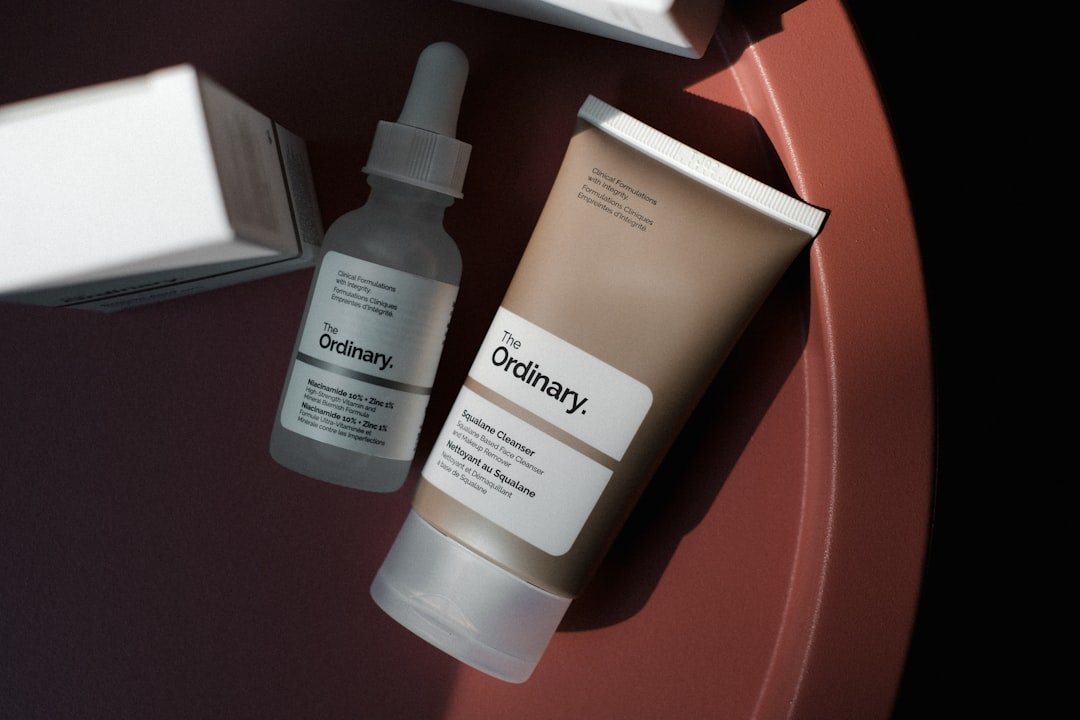
Formulations designed for blue light protection often include ingredients like niacinamide and lutein, which have been shown to mitigate some of the harmful effects associated with blue light exposure. Niacinamide not only helps improve skin texture but also enhances barrier function and reduces inflammation. Lutein acts as a powerful antioxidant that protects against oxidative damage caused by blue light exposure.
Incorporating these ingredients into daily skincare routines can help shield the skin from potential harm caused by prolonged screen time.
Innovative Ingredients for Environmental Protection
The quest for effective environmental protection in skincare has led to the discovery and incorporation of innovative ingredients that offer enhanced benefits against various stressors. One such ingredient is astaxanthin, a potent carotenoid derived from microalgae known for its exceptional antioxidant properties. Astaxanthin has been shown to provide superior protection against UV radiation and oxidative stress compared to other antioxidants.
Another noteworthy ingredient gaining traction is probiotics or prebiotics in skincare formulations. These components help balance the skin’s microbiome, which plays a crucial role in maintaining overall skin health and resilience against environmental aggressors. By supporting beneficial bacteria on the skin’s surface, probiotics can enhance barrier function and reduce inflammation caused by external stressors.
How Protective Skincare Technologies Work
Protective skincare technologies operate through various mechanisms designed to enhance the skin’s natural defenses while providing additional layers of protection against environmental stressors. One primary method involves creating a physical barrier on the skin’s surface that prevents harmful particles from penetrating deeply into the epidermis. This barrier can be achieved through formulations containing occlusive agents like dimethicone or natural waxes.
Additionally, many protective technologies focus on delivering active ingredients deep into the skin using advanced delivery systems such as liposomes or nanotechnology. These systems encapsulate beneficial compounds like antioxidants or peptides, allowing them to penetrate more effectively and provide targeted benefits where they are needed most. By utilizing these innovative approaches, protective skincare technologies can significantly improve overall skin health and resilience against environmental challenges.
Incorporating Protective Skincare into Your Routine
Incorporating protective skincare into your daily routine requires a thoughtful approach that considers individual skin types and concerns. Start by assessing your environment; if you live in an urban area with high pollution levels or spend significant time outdoors, prioritizing products with pollution-fighting ingredients becomes essential. Look for cleansers that effectively remove impurities without stripping essential moisture from your skin.
Next, consider adding serums rich in antioxidants to your regimen; these products can provide an extra layer of defense against oxidative stress caused by environmental factors. Follow up with a broad-spectrum sunscreen every morning, regardless of weather conditions or indoor settings—this step is crucial for protecting against both UV rays and blue light exposure from screens. Finally, don’t overlook nighttime care; using reparative moisturizers infused with barrier-repairing ingredients can help restore your skin while you sleep.
By consistently integrating protective skincare technologies into your routine, you can fortify your skin against environmental stressors and promote long-term health and vitality.